
 AUS
AUS
 NZ
NZ
 UK
UK
 CA
CA
 USA
USA
 IND
IND








Summary
- Amazon is the world’s largest e-commerce company, incorporated by Jeff Bezos in 1994.
- The company adopts a no-dividend policy and does not pay dividends to its shareholders at the moment.
- As long as the expansion opportunities are lucrative, Amazon’s management would continue to reinvest the company’s earnings, foregoing dividend payouts.
While selecting a dividend paying stock, one of the key measures is the sustainability of its dividend payout. When a part of a company's net profits is distributed to shareholders as dividends gets too high for a long period of time, it could be a not-so-good move. When the payout ratio of dividends becomes too high, it simply means that the company is not retaining much profits, which could pose a trouble in the future in case a need for cash arises. Eventually, sooner or later, it will be forced to reduce or suspend the payout.
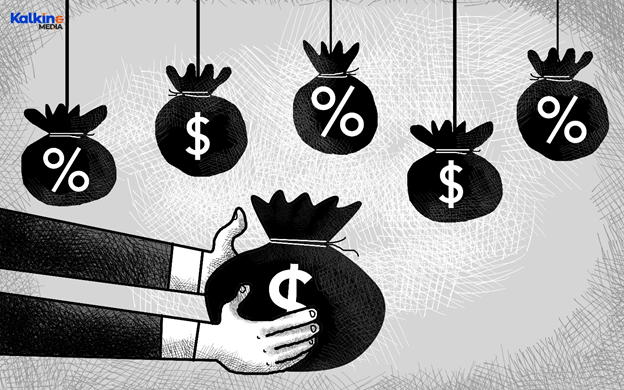
Image Source: Copyright © 2021 Kalkine Media
Another great measure of a good dividend stock is whether the company is growing its base customer base. This suggests the company’s growth is not stagnant and customer growth is still there. It also helps the company to directly increase its revenue and net earnings over the long run. This in turn helps the company to maintain its dividend payouts and maybe even increase its dividends along with retaining much of the profits.
Amazon.com Inc (NASDAQ:AMZN) is the world’s largest e-commerce company, incorporated by Jeff Bezos in 1994. Originally, Amazon was only a bookseller and intended to deliver books to readers anywhere. Today, after almost 25 years, Amazon is not just a bookseller, it has also become a global technology giant. It provides services such as online video streaming, Simple Storage Services (S3), which rents data storage over the internet, Amazon Web Services (AWS), etc.
Despite being a trillion-dollar company, the company adopts a no-dividend policy. Currently, Amazon does not pay dividends to its shareholders.
Read More: Is Amazon launching its own digital currency?
Why does Amazon not pay dividends?
As already mentioned, dividend-paying stocks generally pay dividends out of their net earnings. Companies have several options when deciding what to do with their net earnings. By no means Amazon could be termed as a value stock, as valuations of almost all FAANG stocks are up through the roof. But these companies top the list of growth-oriented businesses. The top priority of Amazon is to invest in its growth.
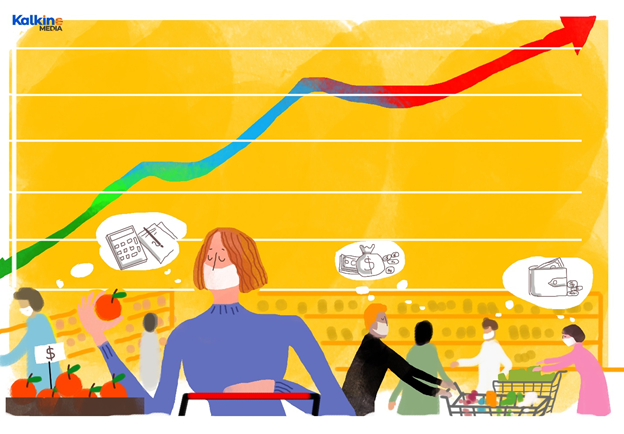
Image Source: Copyright © 2021 Kalkine Media
Investing for the future is something that Amazon has been doing for the last two decades and is quite aggressive at that. Amazon's total net income for FY20 was recorded at over US$43 billion. During that same period, Amazon spent US$59 billion on property, plants, and equipment, more commonly referred to as capital investments. In other words, instead of keeping a portion of net earnings for the future, Amazon is going one step further and spending more than its earnings on its growth. Amazon is so focussed on its expansion plans that it dipped into its savings (after exhausting net earnings) to finance for these growth opportunities. These investments are reaping benefits, making one of the handful companies in the world to have a market capitalisation of over a trillion dollars.
Amazon is doing well to fund these expansion efforts with much of external sources. The company has been able to increase its earnings per share at a compound annual rate (CAGR) of 32.4% over the last decade. Despite such a rapid and consistent growth, the net debt rate is only about US$3.15 billion, and it could be managed easily considering Amazon's gross revenue in FY20 was about US$386 billion.
Read More: What is all the brouhaha about the Amazon Prime Day?
So when does Amazon will pay dividends?
As long as the expansion opportunities are lucrative, Amazon’s management would continue to reinvest the company’s earnings for the growth. Eventually, though, with this rapid growth, there would come a point where total earnings are consistently more than the further growth opportunities it can find to allocate its earnings. This often is referred to as a stage of maturity in a business cycle, then the management might decide to start considering rewarding shareholders by paying out dividends.
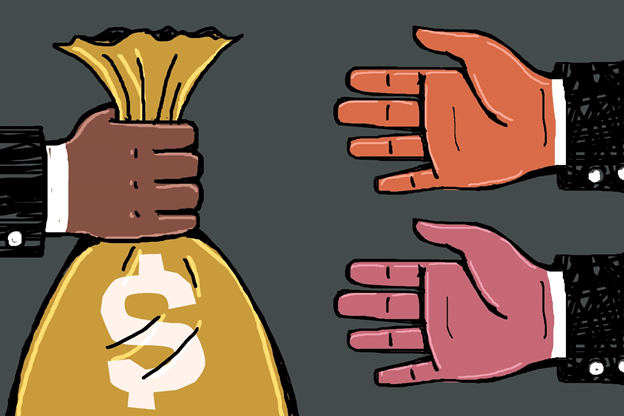
Image Source: Copyright © 2021 Kalkine Media
Interestingly, the longer it takes for Amazon to reach this point, the better it may be for shareholders looking for dividends. That would mean by the time Amazon reaches a plateau, it would have already utilised much of the growth opportunities and it can lead to bigger and more sustainable dividends payouts.
Currently, Amazon may not be a dividend stock, however, it has strong potential to become one in the future.
Read More: Does Tesla pay dividend?
