
 AUS
AUS
 NZ
NZ
 UK
UK
 CA
CA
 USA
USA
 IND
IND


.jpg)



Summary
- The Commodity Index surged to a 26 month-high of USD84.05 on 9 February 2021. The surging index is backed by the rising demand for metals in the Asian markets, including China.
- Further, gold and crude oil rallies have contributed substantially to push the commodity index.
- After hitting an all-time low in early 2020, the commodity prices have recovered significantly on the intense demand-growth anticipation and commencement of vaccination drives.
The Bloomberg Commodity Index continues to recover as it rocketed to a 26-month high of USD84.05 on 9 February 2021. The Bloomberg commodity index incorporates 23 commodity futures, and all were trading at an all-time low during April 2020.
The commodity prices had significantly declined in early 2020 due to the sudden fall in demand and weak economic conditions globally amid the COVID-19 pandemic. The index was severely affected by the pandemic and had slumped to as low as ~USD59.00 in March 2020.
Strong recovery following the Decline of the Commodity Index
A significant sink in the index has been registered due to the dramatic fall in crude oil prices. In the absence of any takers, the WTI crude oil futures declined to the unprecedented sub-zero levels in April 2020.
Source: Copyright © 2020 Kalkine Media Pty Ltd.
The bloodbath was not restricted only to crude oil but was also observed in almost all major commodities. The shutdown of industrial operations and import-export restrictions reduced the metal demands globally. The price of the agricultural commodities was also hit hard due to supply-chain disturbances.
Source: Copyright © 2020 Kalkine Media Pty Ltd.
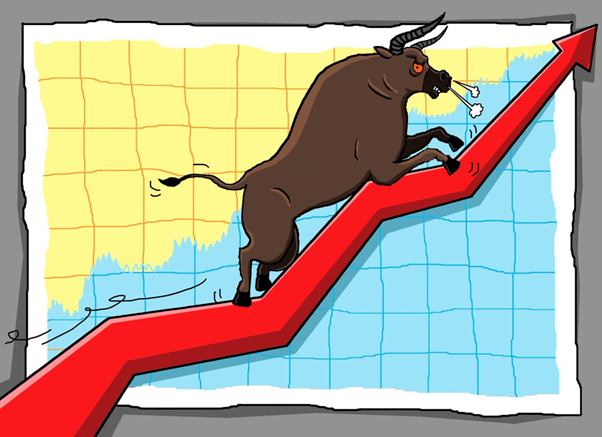
A weak dollar is the most crucial factor to drive the commodity bull market. Gold and other significant metals’ rally has additionally taken the advantage. Since April, a rally has seen the commodity index rising more than 42 per cent in February 2021 compared to the April 2020 values. Here are few important factors that drove the commodity index.
Source: Copyright © 2020 Kalkine Media Pty Ltd.
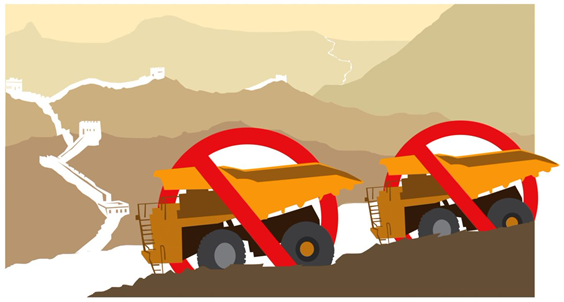
Iron Ore & Copper: The Asian markets, including China contributed immensely to the recovery, and rapidly coped with the impacts of coronavirus, prompting the demand to surge for commodities. Iron ore and copper even surged to all-time price highs in 2020 and in early 2021, on the back of strong demand for steel and copper in the Chinese market.
Good Read: Copper Tops USD 8,000, Commodity Supercycle at Play?
Battery Metals: The demand for battery metals achieved new heights during the pandemic. A clean-and-green-energy revolution to achieve carbon-neutral footprints by 2050 has pushed the battery makers to increase battery metals prices. The stimulus packages in response to the pandemic have also supported the transition to renewable power and electric vehicles, thereby bolstering the long-term demand-growth anticipation for the battery metals.
Agricultural Commodities: The agricultural commodities registered major undulations in 2020 with the significant rise in the prices of wheat, corn, and soybean. With the easing of US-China trade tensions, the agricultural commodity market is poised to settle well in 2021.
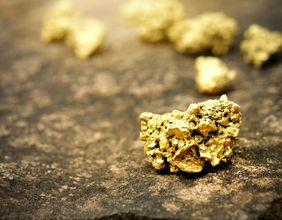
Gold Rally: While all major metals and energy commodities bled, gold and other precious metals, including silver, platinum, and palladium surged to the record levels. Gold shined in 2020 with an average of US$1,800 per ounce price throughout the year. The prices exceeded the record high levels of ~US$2,000 in August 2020.
Must Read: KoBold Metals integrates machine algorithms for battery metals search

Source: Copyright © 2020 Kalkine Media Pty Ltd.
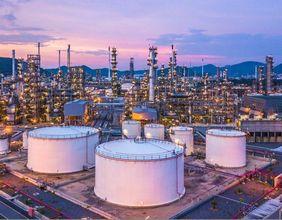
Crude Oil: The prices of crude oil recovered to the 13-month highs on 10 February 2021 with the Brent crude futures soaring above ~US$61 mark per barrel, while the WTI crude oil futures traded above US$58 per barrel mark. The rise in prices is noticed by the significant decision production cut decision by the OPEC+ members. A significant move in the prices can be noticed in the future by the newly elected US President’s decision on hydrofracking, which can further reduce the US shale oil production’s contribution to the commodity rally.
