
 AUS
AUS
 NZ
NZ
 UK
UK
 CA
CA
 USA
USA
 IND
IND







Summary
- The Australian unemployment rate has dropped to its lowest in a year. Speculations are rife about impending inflation and the shift to normalcy.
- The ABS has reported an unemployment rate of 5.5% for the month of April 2021, marking a strong jobless rate despite the rollback of JobKeeper.
- The RBA’s stance on interest rates is unlikely to change anytime soon unless inflation rate target of 2-3% is not met.
After the unemployment rate dropped to its lowest in a year, the question remains where this improvement would take the Australian economy. A consistently declining unemployment rate is a good sign for the economy as it sets in motion a chain of events leading up to higher productivity and growth.
Strengthen your Portfolio with Kalkine LITE; Now Available at $19.99 Only

As firms hire a greater number of workers, their costs increase but so do their capacities. Higher employment allows easier delegation of work, with a structured outlay of responsibility. Tasks are divided among specialised teams, making each employee productive and efficient.
The drop in unemployment is backed by the faster-than-expected recovery of the Australian economy. Most countries are still struggling to emerge out of the pandemic-induced recession. However, in the face of global adversity, Australia’s government reforms and resilience have given the country an upper edge.
ALSO READ: ASX Indices Witnessed Recovery Led By Lower Unemployment Rate
The End of JobKeeper
The April unemployment data brought along with it a sigh of relief as experts had anticipated that the move could go two ways. The government had anticipated a momentary rise in unemployment immediately after the withdrawal of JobKeeper. However, employment figures from April paint a slightly different picture.
The jobless rate fell to 5.5% in April, compared with 5.7% in March and much closer to the pre-pandemic level. The Australian Bureau of Statistics reported that in total, there was a decline of 30,600 jobs in April, right after JobKeeper ended on March 28. The report suggested that the decline was led by part-time positions. During the period, full-time positions soared by 33,800 and part-time positions fell by 64,400.
The unemployment figure of 5.5% was the lowest since April 2020, marking Australia’s robust recovery within just a year.
Despite the loss of almost 31,000 jobs, the ABS reported that the decline was much lesser than expected. Apart from the rollback of JobKeeper, the fall in employment could simply be reflecting the seasonal unemployment, which is completely normal. The Bureau also stated that there was not much of a “discernible impact” left behind after JobKeeper was shrugged off.
DO NOT MISS: Australia’s wage growth shows signs of recovery, but public sector remains fragile
Changes to the Interest Rate
With the economic recovery in full swing, the stance of the Reserve Bank of Australia (RBA) on interest rate is not expected to see a change anytime soon.
The RBA has set out an inflation rate target of 2-3% before considering moving up the interest rates. Improved employment figures have blown off some steam regarding the speculations around the end of JobKeeper, though the improvement may still not guarantee any changes to the interest rate policy.
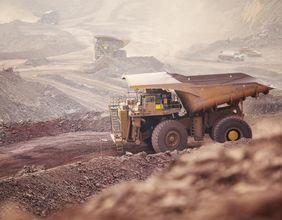
Global demand for commodities remains at an all-time high, especially for iron ore, copper, and natural gas, pointing to a looming inflationary pressure. These concerns remain unheeded by the RBA, as the authority believes it is best to keep interest rates low.
Additionally, the recent improvement in the cash earnings of major banks adds a sense of security to the ongoing monetary stance by the RBA.
A trend of decreased defaults was observed by major banking organisations like Westpac, NAB and ANZ Bank. What helped these financial titans were lower deposit pricing which improved net interest margins and an increased focus on cost reduction.
RELATED READ: Can inflation woes spark a firestorm in global markets?
Where to, From Here?
The current unemployment figure is only slightly higher than the pre-pandemic level of unemployment. The essential fact here is that the pre-pandemic levels are also reflective of immigrants and employees who migrated inter-state. Thus, the nation has obtained current figures solely based on self-capacity, a feat worth noticing.
However, the labour force still possesses the scope to improve its skillset. The economy is facing a roadblock in the form of a low skillset. Most new jobs over the previous year involved positions like sales assistant, store persons and accountants. Additionally, the requirement of high-skilled jobs also remains unsatiated as many professionals were forced to shift back to regional cities during the lockdown and were not able to move back to the main cities.
At a time when most employers are in search of high-skill labour, the labour market may see a high level of employee poaching. Most businesses and organisations are on the lookout for experienced professionals. However, this rise in demand may not guarantee a wage hike for many of these workers.
Wage Growth Inertia
Wages have not grown as quickly as other factors have adapted to the changing economic scenario. The RBA is also pushing for higher wages as it would ascertain a consumer price growth of 2-3%, which, in turn, is a prerequisite for rising interest rates.
The pressure to keep wages unchanged makes more sense once they are viewed as a cost for someone. Firms are not willing to raise wages because it adds to their costs. However, when there is a lack of experienced professionals coming from abroad, experts generally expect a rise in wages. With lack of supply of skilled labour, and their rising demand, wages are bound to rise.
It is worth noting that the RBA’s aim of higher inflation sourced through stronger wages might still be achieved through increased employment. However, if proven ineffective, the government can shift their focus from employment growth to wage growth through tools like minimum wage and award increases.
