
 AUS
AUS
 NZ
NZ
 UK
UK
 CA
CA
 USA
USA
 IND
IND







Summary
- A commodity supercycle is a prolonged period of price increase of a commodity, usually due to a demand shock.
- Most supercycles have an underlying structural shift leading the prices to break their long-run levels.
- The first known commodity supercycle began in the 1890s during the industrialization phase.
Commodity supercycle is the new buzzword for investors. Roaring prices of bullion, steel-making ingredient iron ore, copper, aluminum, and spot oil have been grabbing attention this year. While virus concerns, roadblock in vaccine rollouts, and inflation expectations have been seen to soften the market sentiments, the commodity supercycle appears to be giving a ray of hope to the market participants.
A supercycle is a long-lasting spell of increased demand for a good, which is otherwise not usual for the commodity. These spells of increased prices occur when unusually high demand causes prices to rise above their long-term average. At times, supply-side shocks also create a supercycle-like scenario.
Generally, such a push in demand is backed by some external factors like government policies, growing population. A supercycle can last for many years. With increased fiscal stimulus and high economic growth in the backdrop, prices can rally for more than a decade, as has been historically witnessed.
ALSO READ: Can inflation woes spark a firestorm in global markets?
It is important to note that most supercycles almost always have an underlying structural shift. The last commodity supercycle was witnessed in China, which started taking shape in 2002. Commodities were priced at excruciatingly high rates due to a lack of adequate supply.
Having said that, apart from supply shortage, there can be other factors that trigger a supercycle. Following is a deep dive into the phenomenon:
Supercycles in the Past
During the beginning of industrialization in the US, a commodity price surge was apparent. The period during the 1890s is said to have seen the first-ever commodity supercycle. This was also the time when the First World War took place, further worsening the shortage of commodities. The cycle eventually concluded in the 1930s after a long spell of 40 years.
Supercylces post wars became a recurring pattern as a similar cycle was then observed in Europe during the Second World War. However, in the late 1970s, the supercycle took place due to increased economic growth, leading to high energy and commodity prices.
The supercycle in China is the last known supercycle that has taken shape in modern times. At the time, China had joined the World Trade Organization and had adopted modern methods to revive its economy. This included rapid industrialization leading to an economic boom in the country. As demand for goods quickly picked up, China became one of the top global consumers. Finally, the cycle ended in 2014 when there was an oversupply of oil.
RELATED READ: US Consumer Prices Rise By 4.2%, The Fastest Pace Since 2008
Factors Behind a Supercycle
The current setup for a supercycle varies greatly from what has been previously observed. Factors like industrialization, growing population and world wars defined the supercycles observed in the early periods. Instead, the fear of an impending supercycle has become pronounced in current times based on the following factors:
- Post-Crisis Monetary Policy: In case of a monetary expansion, there comes ample liquidity at the disposal of consumers. This allows them to buy more items leading to a price surge. In case the monetary expansion takes place post a crisis, central banks may allow them to be continued for long. Thus, persistent liquidity would enable higher demand for a longer period, causing prices to shoot up well above the average levels.
- Sustainability Efforts: Copper is one metal that has extensive usage in various sectors. The metal is essential for batteries, electric cars, solar panels, wind turbines and for the upcoming 5G technology. It also forms a large part of the construction sector. With countries increasingly shifting to more sustainable forms of energy, the demand for copper could more than double in the next decades, as per the experts.
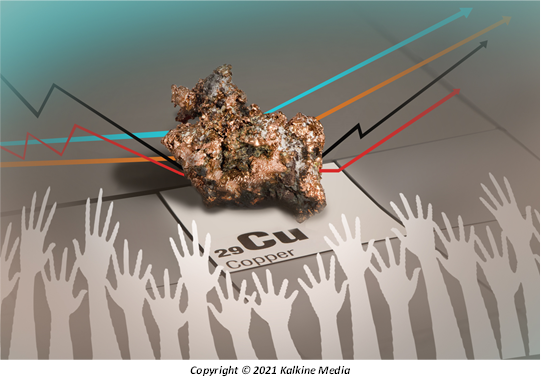
This is a big red flag indicating the onset of a supercycle in the commodity, which would hurt other commodities derived out of it as well. However, experts suggest that a metals supercycle would be more sustainable than a supercycle for fuels like oil.
- Trade Wars: Trade wars can be signs of an upcoming commodity rally. The tariffs imposed on certain commodities could alter the long-term price levels for them.
- Supply-Side Shocks: The above factors represent demand-side shocks that could possibly lead to a commodity supercycle. However, supply-side shocks have also been the causal factors for such price surges. The OPEC embargo imposed in 1973 was once such a supply-side shock that caused a 300% surge in prices within just a year’s time.
ALSO READ: Five Tips to Maintain Financial Hygiene amid Rising Bond Yields
