
 AUS
AUS
 NZ
NZ
 UK
UK
 CA
CA
 USA
USA
 IND
IND


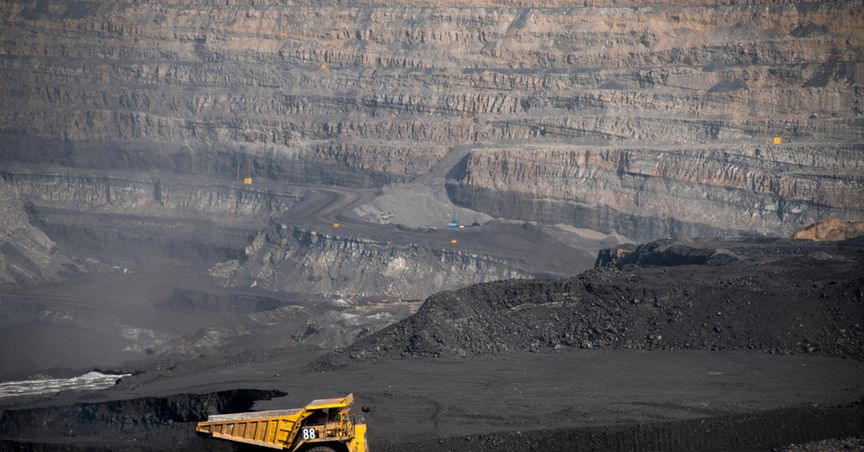





Summary
- Coal is a carbon-rich black rock that releases energy when burned.
- The most severe and heart-wrenching effect of coal mining and its usage is climate change.
- By depending on renewable energy sources as an alternative to coal-based production, we can save our environment from falling into the pit-hole of degradation.
Coal is formed under Earth’s surface through heat and pressure accumulated over the years. It is a carbon-rich black rock that releases energy when burned. Due to the low cost of production and easy availability, coal remains the primary source for energy generation worldwide.
In recent years, with the depleting environment, concerns arose regarding coal as a form of energy. Despite the rise in awareness against fossil fuel exhaustion and the implied surge in understanding and usage of renewable sources for energy generation, coal still holds its hands tight with industrialists across nations. Coal has severe implications on the environment, that need attention before we reach a catastrophic stage of pollution and global warming.
Coal production & usage
In countries like Germany, over 12% of energy is produced through renewable sources. On the contrary, countries like China have a 50% share of global coal production. After China, India, the US, Australia, and Indonesia account to be the top countries with maximum coal production.
ALSO READ: Would The Rise In NZ Coal Imports Pose A Threat To Its Low Emissions Goal?
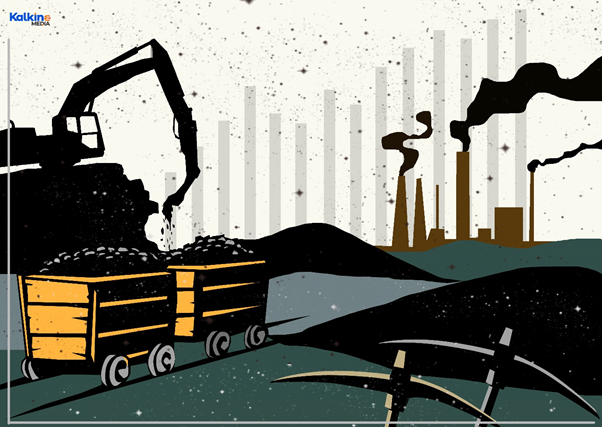
Coal is used for multi-purposes like electricity generation, metal production, gasification, liquefaction, chemical production, and other industries. Slowly and steadily, cleaner forms of energy are entering the market. But due to high investment cost in renewables, dependency of communities on coal, and lack of widespread awareness, elimination, or minimisation of coal usage seems like a far-fetched dream.
Copyright © 2021 Kalkine Media
RELATED READ: What is coking coal, and where is it used?
Harmful effects of coal on the environment
Air pollution - During coal combustion, numerous harmful toxins and pollutants are released into the air. These include mercury, lead, sulphur dioxide, nitrogen oxides, and other various heavy metals. These toxicants have harmful health implications like asthma, heart problems, cancer, neurological disorders, etc.
Water pollution - The biggest drawback of coal-fired power plants is the coal-ash that is left behind. In the US, coal ash is the most prominent industrial waste accounting for 100 million tons of coal ash every year. Due to an inefficient industrial waste management system, this coal ash is then dumped in water bodies. Water bodies are not just harmed because of coal ash but also because of acid mine drainage. The acidic water from coal mines, often from abandoned ones, is thrown into the nearby water bodies. As a result, the proportion of iron, manganese, and other harmful substances increases in water bodies.
Global warming - The most severe and heart-wrenching effect of coal mining and its usage is climate change. A significant part of coal is constituted of carbon. When coal is burned, carbon combines with oxygen in the air and produces carbon dioxide (CO2). Carbon dioxide is a heat-trapping gas that is like a poison to our environment. It works as a warm blanket, increasing the earth’s temperature beyond limits. Deadly consequences of global warming are draughts, sea level, floods, and extreme weather fluctuations.
Way forward
The release of emissions can be minimised by enhancing the ability of plants to the optimum level. The optimisation would generate more electricity at the same time with the same amount of coal.

Copyright © 2021 Kalkine Media
Development and usage of the best combustion technology would help to reduce the level of CO2 and other toxic emissions in the air. Gasification is also a way of reducing the harmful effects of coal combustion. Coal is turned into a gas; impurities are removed from the coal gas before discharge.
MUST READ: Four sustainability trends as green transition heats up
If carbon capture and storage (CCS) method is put to use, CO2 is captured from the flue gas and is stored underground or reused.
By depending on renewable energy sources as an alternative to coal-based production, we can save our environment from falling into the pit-hole of degradation. Optimum and conscious use of fossil fuels like coal can keep us from reaching the mark of 2 degrees Celsius global warming.
