
 AUS
AUS
 NZ
NZ
 UK
UK
 CA
CA
 USA
USA
 IND
IND





Summary
- The Chinese port authorities have started considering some Australian cargos that arrived before the ban to offload their coal.
- Chinese buyers want to grab this mega-offer opportunity to buy coal at lower prices.
- Australian traders are inspired by a combination of money and hope as China port authorities allowed some cargos to offload.
Australia is the leading thermal coal exporter of the world and exports around 70-80% of its produced coal to China. Australia fulfilled around 57 per cent of Chinese thermal coal demands in 2019. The trade relations between the two countries became critical after China’s slap on Australian coal imports in the second half of 2020 which restricted around 73 carriers holding 5.2Mt of metallurgical coal and 2.6Mt of thermal coal in offshore limbo for more than three months.
Why has the trade tension arisen?
Trade relations between the two countries started to deteriorate after Chinese Huawei Technologies Co.’s ban to build 5G network infrastructure in 2018. However, Australia's charge on China for coronavirus origin provided the recent ignition to the matter.
Must Read: How Chinese Ban on Australian Coal Reshuffled The Global Coal Trade?
Trade Flow Reshuffling
A long trade break between China-Australia has increased the coal demand and supply gap. However, both countries are looking for alternatives. China is looking to feed its coal demand through Indonesia whose exports soared to 12.19Mt in December 2020. Australia is also looking for a new consumer of its coal and targeting its supply to the Middle East, Bangladesh, Turkey, India, and other Asian countries. China’s import from Australia fell by 16 per cent accounting $7.9 billion, in 2020.
What’s driving more shipment from Australia?
However, China started to consider some stranded carriers for offloading. The cargos which arrived at Chinese port before the ban are allowed to clear their shipments. This effort of easing deadlock at Chinese ports is binding hopes into the mind of Australian coal trades; as a result, they are driving more shipments to China.
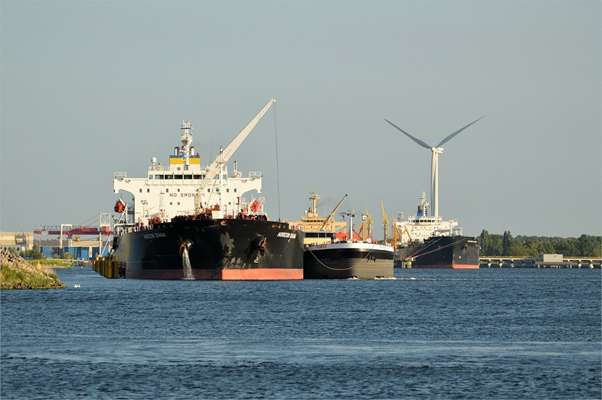
A combination of money and hope likely inspire traders. Even Chinese buyers don't want to lose this mega-sale opportunity where Australian traders' prices are much less than domestic suppliers. A single coal carrier costs around $14 million and a demurrage fee due to delay in offloading, which costs about $13,000 and $17,000 per day. The same amount of coal in domestic market costs around $28 million.
Interesting Read: Australian coal, iron ore on the cusp of a robust momentous 2020-21
China’s unofficial ban
The Australian embargo has never been publicly recognized by Beijing, pinpointing troublesome beginning date. Chinese power stations and steel factories were verbally advised to quit utilizing the Australian coal in mid-October. The decision led many carriers to find their ways to new markets, in mid of their journey. However, around eleven carriers are still waiting at the doors of China’s port for offloading.
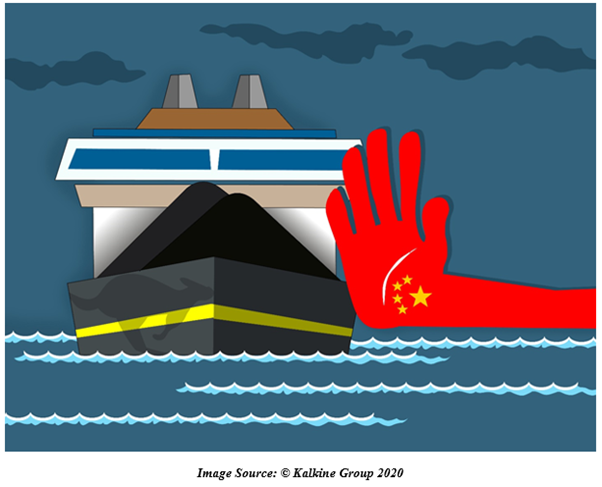
Although China has started accepting some Australian cargoes, the thoughts are at an underlying stage, and any choice would require endorsement from senior pioneers. On the off chance, if the cargoes are cleared, probably some Chinese purchasers would consider this to be a softening in the Chinese Government's position and a chance to take positions with the new purchase of inexpensive Australian coal.
