
 AUS
AUS
 NZ
NZ
 UK
UK
 CA
CA
 USA
USA
 IND
IND








Summary
- Coal-fired power plants in Australia are aging and are scheduled to retire in the next three decades.
- In Q1, coal- and gas-based electricity generation declined while renewable-sourced electricity generation cranked up.
- Studies suggest that the energy generated from renewable sources is much cheaper than coal and gas-based electricity.
Undoubtedly, climate change is one of the biggest challenges for the humanity. The impact of climate change is ubiquitous, as evident from extreme events of temperature, floods, droughts, declining water resources, etc.
The best option to mitigate the potentially catastrophic consequences of climate change is to reduce the use of fossil fuels and accelerate the transition to renewable forms of energy.
As a result, the global debate on ethically sourced power supply has been heating up in the recent past. While some experts say that coal-fired power supply will be required to meet the skyrocketing energy demand, others are of the opinion that only renewables can help achieve carbon neutrality by 2050.

Source: © Carpathianprince | Megapixl.com
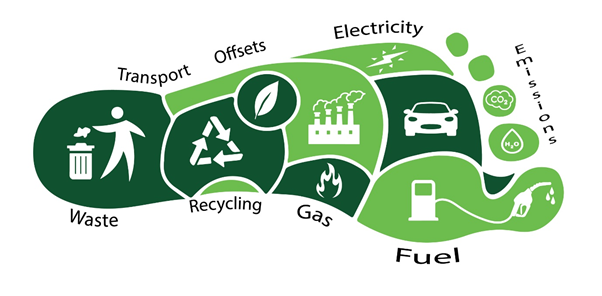
Globally, economies have committed to curb their emission levels to attain carbon neutrality by 2050. Australia is also seeking its transition to net-zero emissions as soon as possible. The goal highlights the need to reduce Australia’s reliance on fossil fuel-driven power plants, one of the biggest sources of carbon emissions in the country.
Also Read: What is a net zero economy? Is it possible?
The National Electricity Market (NEM) caters to most of the electricity supply in the country except for Western Australia and the Northern Territory. The complete system of the electricity supply covers transmission lines, electricity generators, infrastructure to deliver electricity to customers, and a wholesale market for purchase and sale of electricity.
Source: © Ncn18 | Megapixl.com
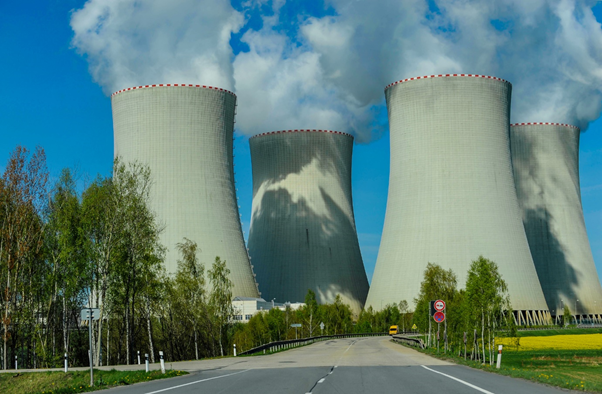
In Australia, coal-fired power stations are aging and are scheduled to retire in the next three decades. Though renewable energy sources are emerging as one of the cheapest sources of electricity in the country, they have some limitations like intermittent supply – which means power can be generated only when the wind blows or the sun shines.
Must Read: Here’s why net zero emission is a pressing priority
Energy Dynamics - Australia
The quarterly average operational electricity demand declined to 21,192 MW in Q1 2021 in Australia, the lowest average for the first quarter since 2002, as per data from the Australian Energy Market Operator (AEMO).
Interestingly, the slump in the demand for operational electricity was primarily attributed to increased distribution of photovoltaic output in Victoria, South Australia, and New South Wales. An uptake of nearly 800MW capacity was recorded in the quarter, which led to a substantial drop in electricity demand during daytime.
Source: © Allexxe | Megapixl.com
The Quarterly Energy Dynamics Q1 2021 report also suggests that black coal-fired electricity generation declined to its lowest Q1 average since the start of NEM. Electricity generation stood at 11,006 MW for the concerned period, 1,018 MW lower than the first quarter of 2020.
Also Read: Decoding “the gold standard” that can generate electricity from heat.
During Q1 2021, gas-powered electricity generation decreased to its lowest quarterly average since 2005.
On the flip side, electricity supply from various renewable energy sources averaged 3,458 MW.
During the first quarter of 2021, a 2.7% and 3.3% decline in demand for black coal and gas, respectively, was recorded when compared with the same period a year ago. An increase of 0.4% in hydro energy, 2.6% in wind energy, and 1.6% in grid solar was witnessed in the quarter.
How cheap is renewable power than coal-fired electricity?
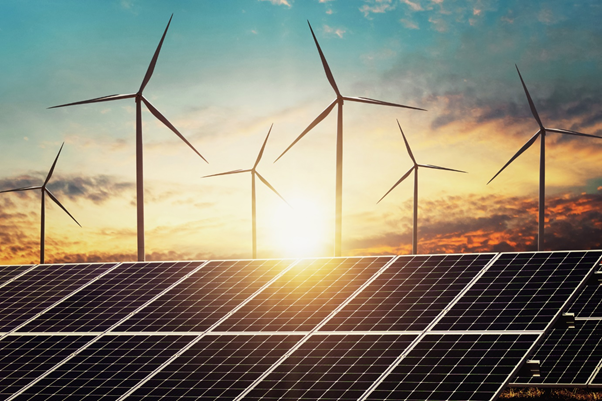
Wind energy is the most economical way of power production. A study by Bloomberg New Energy Finance indicates that a brand-new wind farm can generate electricity at the rate of AU$80/MWh while a coal-fired power plant produces electricity at AU$143/MWh and a gas-fired power plant generates electricity at AU$116/MWh.
Must Read: Will Queensland Government’s latest package boost local renewable energy jobs?
Source: © Lovelyday12 | Megapixl.com
During wind and solar power generation, one of the costs incurred is related to the conversion of mechanical energy into electric energy. The technology has become more affordable and efficient with new innovations, making renewable energy harvesting more economical.
Don’t Miss: Australia needs to react to climate change- here’s why.
