
 AUS
AUS
 NZ
NZ
 UK
UK
 CA
CA
 USA
USA
 IND
IND


.jpg)





Highlights
- The supply chain disruption has already left the world running short of several goods and services.
- The overstressed global supply chain is probably on the brink of collapse, as warned by some international bodies.
- These groups represent nearly 65 million workers in the global transportation system.
The workforce behind the global supply chain has endured stringent COVID-19 restrictions and weeks-long quarantines to maintain smooth transportation of goods and services across the globe. However, it seems like these truckers, sailors, airline workers, etc. are on the cusp of a breaking point, which is posing a major threat to many recovering economies.
On Wednesday, the International Chamber of Shipping (ICS) and other industry groups sent an open letter to heads of state attending the United Nations General Assembly, warning them about the collapse of the global transportation system. The groups clearly stated that it is high time for governments across the world to restore the freedom of cross-border transportation and prioritise transport workers in their ongoing vaccination drives.
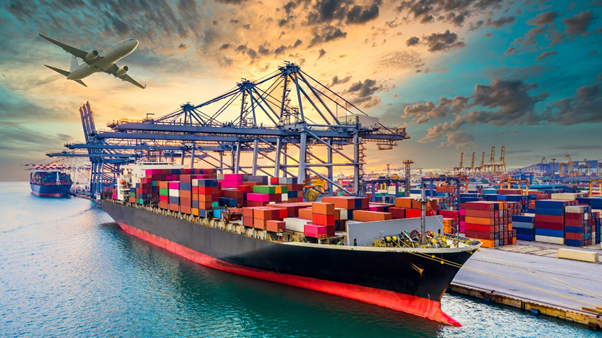
Image Source: © Avigatorphotographer | Megapixl.com
Some international independent groups which raised their concerns were the International Transport Workers' Federation (ITF), the International Road Transport Union (IRU) and International Air Transport Association (IATA). These autonomous bodies represent nearly 65 million workers in the global transportation system.
The group wrote in a letter, “Global supply chains are beginning to buckle as two years' worth of strain on transport workers take their toll. All transport sectors are also seeing a shortage of workers and expect more to leave because of the poor treatment millions have faced during the pandemic, putting the supply chain under greater threat.”
The group also fears that the problem may escalate as we are approaching the year end because not many seafarers may want to take up new contracts at the risk of not making it to their homes for Christmas. This could happen due to a badly tangled network of container vessels and/or constantly changing travel restrictions.
Read More: Evergrande founder's net worth takes a US$15.6 billion hit
Bottom line
The pandemic has already made the global supply chain fragile which might not be able to take more heat for a long time. The overly stretched supply chain needs governments’ attention at the earliest to avert the possibility of a complete collapse.
The supply chain disruption has already caused paucity of a plethora of goods and services, which has contributed to inflation as well. Adding to woes are the three-year high crude oil prices, that could make inflation sustain at a higher level for a bit longer. Therefore, easing of stress on the global supply chain is not only required to save the system itself but also to cap inflation.
Read More: Canada top news: Immunized vs unvaccinated, oil crisis & CIBC expansion
What’s chipping away at global supply chain?
Highlight
- The supply chain disruption has already left the world running short of several goods and services.
- The overstressed global supply chain is probably on the brink of collapse, as warned by some international bodies.
- These groups represent nearly 65 million workers in the global transportation system.
The workforce behind the global supply chain has endured stringent COVID-19 restrictions and weeks-long quarantines to maintain smooth transportation of goods and services across the globe. However, it seems like these truckers, sailors, airline workers, etc. are on the cusp of a breaking point, which is posing a major threat to many recovering economies.
On Wednesday, the International Chamber of Shipping (ICS) and other industry groups sent an open letter to heads of state attending the United Nations General Assembly, warning them about the collapse of the global transportation system. The groups clearly stated that it is high time for governments across the world to restore the freedom of cross-border transportation and prioritise transport workers in their ongoing vaccination drives.
Image Source: © Avigatorphotographer | Megapixl.com
Image Description: A sea vessel carrying containers
Some international independent groups which raised their concerns were the International Transport Workers' Federation (ITF), the International Road Transport Union (IRU) and International Air Transport Association (IATA). These autonomous bodies represent nearly 65 million workers in the global transportation system.
The group wrote in a letter, “Global supply chains are beginning to buckle as two years' worth of strain on transport workers take their toll. All transport sectors are also seeing a shortage of workers and expect more to leave because of the poor treatment millions have faced during the pandemic, putting the supply chain under greater threat.”
The group also fears that the problem may escalate as we are approaching the year end because not many seafarers may want to take up new contracts at the risk of not making it to their homes for Christmas. This could happen due to a badly tangled network of container vessels and/or constantly changing travel restrictions.
Read More: Evergrande founder's net worth takes a US$15.6 billion hit
Bottom line
The pandemic has already made the global supply chain fragile which might not be able to take more heat for a long time. The overly stretched supply chain needs governments’ attention at the earliest to avert the possibility of a complete collapse.
The supply chain disruption has already caused paucity of a plethora of goods and services, which has contributed to inflation as well. Adding to woes are the three-year high crude oil prices, that could make inflation sustain at a higher level for a bit longer. Therefore, easing of stress on the global supply chain is not only required to save the system itself but also to cap inflation.
Read More: Canada top news: Immunized vs unvaccinated, oil crisis & CIBC expansion
