
 AUS
AUS
 NZ
NZ
 UK
UK
 CA
CA
 USA
USA
 IND
IND







Highlights
- Carbon pricing is considered one of the most effective tools for limiting the dependency on fossil fuels and diverting energy production to green and renewable sources.
- The International Monetary Fund (IMF) believes that carbon pricing is the only feasible option to achieve the 2-degree target.
- A proposed plan has shed light upon differentiated carbon pricing for different countries based on income.
Time and again, it has been acknowledged how dangerous dependence on non-renewables is for the world. However, owing to vast and traditional availability of these resources, it has been challenging to obstruct the use of crude oil and other non-renewable substances for energy.
However, the recent Russian invasion of Ukraine has spiked the matter. It is now clearer how fragile it is for the world economy to depend upon exhaustible fuels. Because of this recent clash, the food and energy prices have been skyrocketing worldwide, causing a high cost of living expenditure globally. There is a need to transition away from dependence on energy sources that are subject to recurrent disruptions. Besides, accelerating a green transition would limit further temperature rises, and safeguard vulnerable groups who are most dependent on high-carbon fuels and jobs.
GOOD SECTION: Focus on renewables, EVs: Inside Albanese govt climate plans
The vulnerable section of society and the emerging nations face the hardest hit because of the current barriers to energy supply. Subsequently, the International Monetary Fund (IMF) recently put forward the earlier proposed carbon pricing policy on the table.
Source: © Chuongy | Megapixl.com
Carbon pricing: one of the most effective tools to transition to green energy
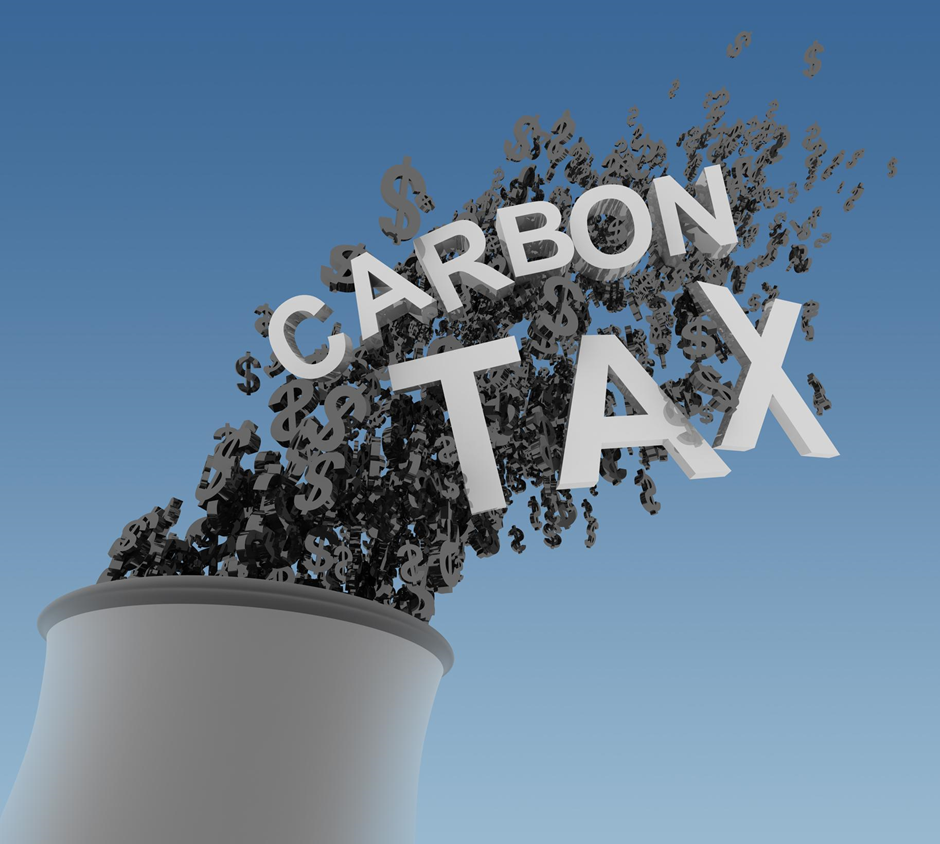
In 2021, the IMF proposed an International Carbon Price Floor (ICPF). This agreement would call the world’s largest carbon emitters to pay the floor prices of US$25-US$75 per ton of carbon, depending on their level of economic development.
Additionally, carbon pricing is considered one of the most effective tools for limiting the dependency on fossil fuels and diverting energy production to green and renewable sources.
MUST-READ: Aussie petrol prices set for record highs: Factors fuelling rise
IMF also believes that carbon pricing is the only feasible option to achieve the 2-degree target. However, countries are reluctant to implement the same to lose global economic competitiveness.
According to the report published by IMF, the implementation of ICPF would reduce the global gross domestic product by 1.5% by 2030. However, this cost is still better than paying off the large sums for combating the gruesome impact of global warming.
The proposed plan also states differentiated carbon pricing for different countries based on income. For instance, price floors per ton of carbon at US$25 for low-income countries, US$50 for middle-income countries, and US$75 for high-income countries.
Conclusively, the ICPF agreement would ensure a fairer way for the carbon pricing because the developed and rich nations have been adding more emissions into the environment. Thus, the cost borne for them should be higher as well.
