
 AUS
AUS
 NZ
NZ
 UK
UK
 CA
CA
 USA
USA
 IND
IND








Summary
- Increased vegetable prices were the biggest contributor to the rise in food prices in May.
- Tomato and capsicum prices increased while kiwifruit prices fell in the month.
- Annual food prices in NZ rose 1.8% between May 2020 to May 2021.
Stats NZ Food Price Index data released Tuesday showed that annual food costs for Kiwis jumped 1.8% between May 2020 and May 2021 after a 0.7% increase in the year to April 2021.
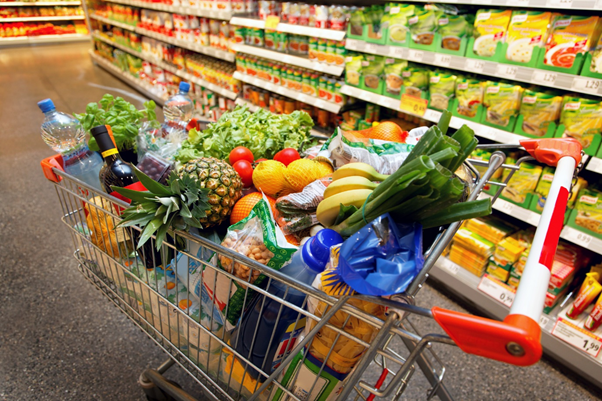
Stats NZ Food Price Index (FPI) tracks changes in food costs paid by households. It tracks the prices of specific food products, which make up a sample food basket to determine the price change.
Source: © Ginasanders | Megapixl.com
Ms Dewbery stated that while monthly food price changes vary, yearly food costs had been rising for over 3 years. She added that the last time an annual drop was seen in August 2018 was when food costs declined 0.1%.
In 3 years since May 2018, food costs have risen by 6.5%. In comparison, the consumer price index climbed by 5.6% between March 2018 and March 2021 quarters.
ALSO READ: Will New Zealand’s Q1 GDP numbers have an impact on the monetary policy stance?
Tomato and capsicum prices rise in May
The data revealed that vegetable prices soared 3.4% in May with an increase in prices of tomatoes, lettuce and capsicum. It stated that increasing vegetable prices were the biggest backer to a 0.4% rise in food prices in May 2021.
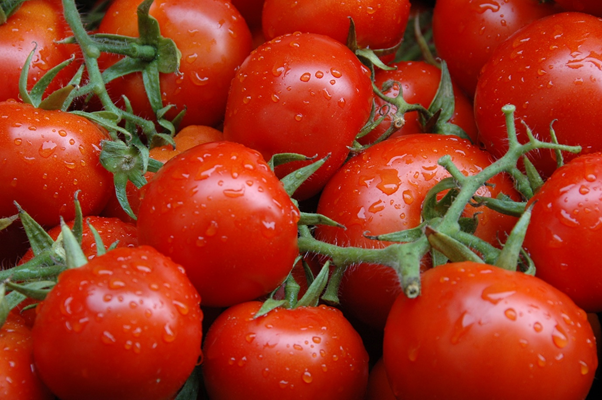
Tomato prices continued to soar in May, increasing 17%, after witnessing a 112% rise in April to a weighted average price (WAP) of $6.34 per kilo. The rise in tomato prices was attributed to the uncertainty among tomato growers on exports, which in turn impacted their plans to replant tomato crops.
Source: © B2t | Megapixl.com
Capsicum prices also experienced a 30% surge in May to a WAP of $6.34 per kg.
Stats NZ consumer prices manager Katrina Dewbery stated that capsicum prices generally see a rise during this time of the year as there is less domestic supply. She added that more capsicums were imported from abroad during winters.
ALSO READ: New Zealand Government’s Accounts In Better Shape, But Yet To Attain Pre-Pandemic Level
However, these rising prices were partly compensated by declining prices of kiwifruit and mandarins.
Kiwifruit prices plunged 40% to a WAP of $3.60 per kg and mandarin prices plummeted 26% to a WAP of $5.02 per kg, which frequently happens as winter looms.
Between May 2018 and May 2021, the rise in food prices was majorly due to the rise in restaurant meals and ready-to-eat food (+12%), fruit and vegetables (+6.3%), meat, poultry, fish (+5.9%), grocery food (+4.5%) and non-alcoholic beverages (+1.8%).
(NOTE: Currency is reported in NZ Dollar unless stated otherwise)
