
 AUS
AUS
 NZ
NZ
 UK
UK
 CA
CA
 USA
USA
 IND
IND







Summary
- Despite the ongoing trade war with China, the famous Red Lobsters are in demand locally.
- The seafood industry body urged the consumers to go for one seafood meal a week.
- Amid crisis, New Zealand is eyeing to grab the opportunity coming its way.
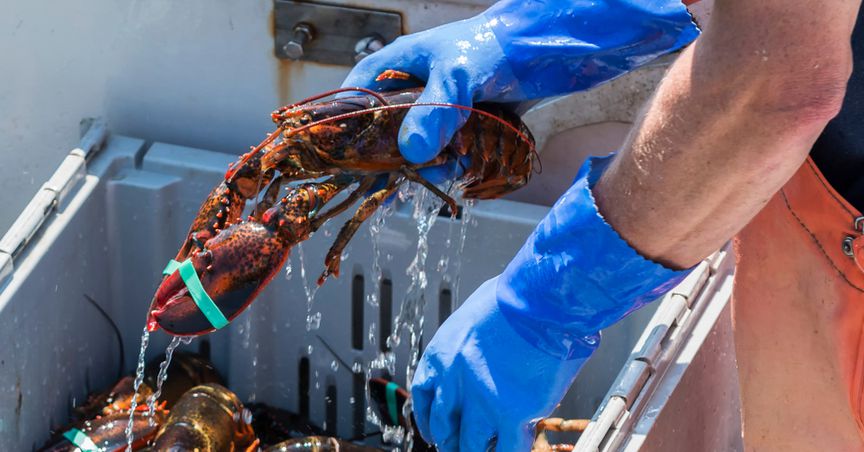
Amid the scorching summer season, customers seem to be flocking to the local harbours. Indeed, a sight to behold since a rigid trade war with China has increased the pressure on local fishing industry.
Aussies love seafood, boat trips, and champagne, more so, especially during the holidays. However, Lobsters aren't just locals' favourite delicacies; they are also important exports. The rock lobster provides worth a half billion US dollars revenue every year. Before the trade war, 94% of the Australian lobsters were exported to China. Alas, the entire scenario changed in just a few weeks. Beijing imposed a strict ban on Australian lobsters, and it affected the fishing industry drastically. The near-total import ban halved the revenue stream and reduced the income of local fisherman.
China's call to impose restrictions comes after Australia publicly questioned the origins of coronavirus followed by the ban on telecommunication company Huawei's involvement in the 5G supply. In less than a year, the tiff between the two nations has now impacted more than a dozen industries. Barley and wine sector are badly hit too.
However, the Australian economy continues to grow, and the businesses are slowly finding alternatives to get a grip on newer markets in regions such as the Middle East or Japan. Interestingly, the lobster industry is aiming to catch hold of the local market. On the other hand, the Australian authorities have also extended their help to pull up the drowning sector. Recently a legislation was changed, which allowed the commercial fishers to sell the lobsters in large quantities from their boats.
Also read: Australian lobster industry in troubled waters after Chinese restrictions
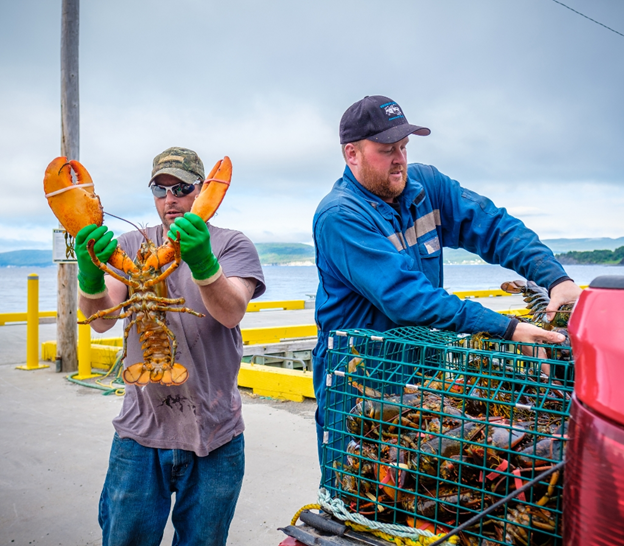
Image Source: MegapixlTM
Supermarkets sold lobsters at half price:
Before the coronavirus pandemic started, rock lobster was selling at US$80 a kilogram in the Western Australian parts. Surprisingly, even though the exports have stopped, the demand from Aussies has increased. Local supermarket chains like Coles and Woolworths launched special deals to support the local fishers during the Christmas holidays. The demand for the lobster was unprecedented, and the supermarkets took good advantage of the situation, selling Red Lobster for AU$20 a pop.
Industry to come to rescue:
Australian seafood industry also launched a unique initiative to support the fishers by urging consumers to switch one meal once a week to the seafood. Seafood Industry Australia (SIA) announced extending the support so that the fishers see a good holiday period. SIA CEO Veronica Papacosta said that there is a wide variety in Australian seafood. Even if one per cent of Australia's population consumes seafood such as prawns, salmon, lobster, oysters or snapper once a week, it will substantially help the ailing industry. To their surprise, the consumers, in reality, purchased the seafood, primarily to support the fisherman communities.
The seafood industry's top body in Australia said that China's ban on lobsters had resulted in the local customers queuing up for the product. During the Christmas sale, seafood purchases were up by 30 per cent from the same period last year in the country. Apart from the lobsters, customers also flocked to purchase prawns, rock oysters, and crabs. Also, the support to the local fishermen served as a scrumptious opportunity for the Aussies to buy the expensive Red Lobster at such lowered prices.

Image Source: © Kalkine Group 2020
Neighbouring country to benefit from AUS China trade war?
Australia's neighbour country New Zealand also seems to be taking advantage of the situation as China's trade war continues. NZ's live lobster export generates revenue of around NZ$320 million per year. According to the local fishers, this year, the holiday season was much busier than expected. As China closed its doors to Australia, to fulfil the demand, it turned towards New Zealand to get a hold of live crayfish, also known as kōura or rock lobster. Chinese are paying more to the NZ product, which is a welcome move for the fishers. The industry suffered NZ$38M losses because of the COVID-19-related lockdown restrictions.
RELATED: How can Australia be impacted by China’s ban on Australia’s biggest grain exporter?
Conclusion:
China is a big market for Australia to lose, and New Zealand to get a hold of. Therefore, even though the Aussies are extending their support to the seafood industry, it may not be enough in the longer run. Australian fishers have already started expanding their footprint, reaching markets in Japan, the US, and Europe. Bringing geographic diversity is one way to support the industry to survive.
Also Read: As China raises tariffs, Australian wine industry may feel the heat
