
 AUS
AUS
 NZ
NZ
 UK
UK
 CA
CA
 USA
USA
 IND
IND






Summary
- China has barred imports from CBH Pty Ltd. with allegations of grain contamination by pests.
- Recent ban is seen as the collateral damage of the rancid Sino-Australian relations.
- The ban comes following the imposition of 80.7% tariff on Australian barley exports to China.
- China has levied many barriers after Australia’s support for conducting an international investigation concerning the origin of coronavirus.
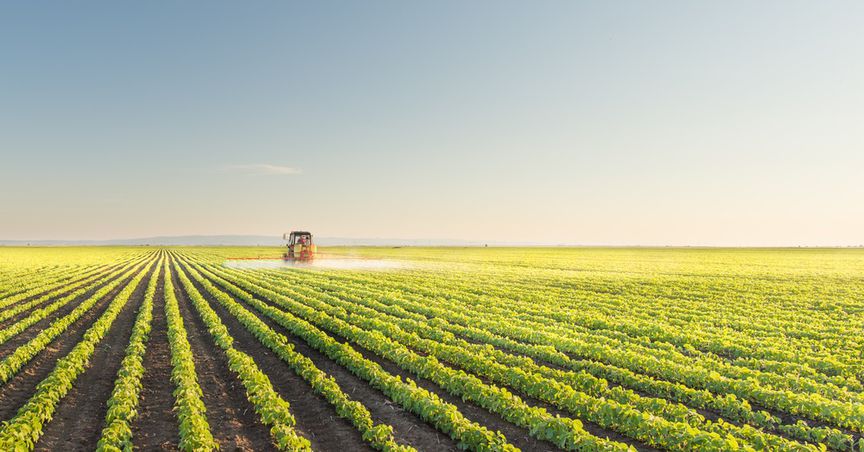
Australian exporters can strongly feel the heat of the bilateral tensions as China continues to intimidate the trade scenario by levying obstacles and restrictions. Adding a fresh dose of worries, China has suspended the barley imports from Co-operative Bulk Handling Grain Pty. Limited. CBH is a cooperative of around 400 farmers and the country’s largest grain exporter.
The Asian country announced the ban on its official WeChat account stating that on multiple instances, the grain exported by CBH was found to be contaminated by pests. General Administration of Customs in China has also suspended the imports registration of the CBH group.
The current ban imposition resonates with the ongoing trade tensions between the two countries. Significantly, the spat between the nations escalated to another level when Australia joined the US voice for launching probe concerning the origin of the coronavirus.
ALSO READ: China exports grow 7.2pc in July while clouds loom over Australia-China relations
Lens through the Latest Suspension of Grain Exports
China recently suspended the imports from CBH with the charges of pest contamination. Chinese Authorities have also asserted that Australia should improve its “plant export quarantine supervision system”.
Responding to the allegations, Australian Agriculture Minister David Littleproud has stated that the country uses world-class robust quality controls on grain exports. Mr Littleproud also indicated that the Government continues to work with Chinese authorities and exporters for settling the issue.
Meanwhile, CBH has denied Chinese authorities’ claim concerning the contamination of grains. CBH has confirmed about not finding any evidence that proves the charges on the grain exporter. The concerned barley was shipped to China in December 2019 before the COVID-19 outbreak.
CBH Group’s Chief, Jason Craig, indicated that the Group retested the cargoes and found that all cargoes met “phytosanitary export requirements” of the Australian Government. The Group plans to challenge the Chinese suspension.
The Recent Trade Barriers by China Impacting Australia
Australia’s demand for inquiry of coronavirus origination in Wuhan has led to the imposition of several trade barriers by the world’s second-largest economy.
Significantly, the US president has repeatedly urged for an international investigation of the pandemic origin, signalling that China could have obscured the important information.
China has struck back by imposing further trade barriers on Australian exports, which can impact the economy of the latter. Apart from the latest ban on CBH Group, China has enforced several other hurdles to Australian exports.
ALSO READ: Dip for Chinese Tech Stocks – Do not Forget to Look at the 5 Tech-Related Trends
Some of the recent 2020 highlights that indicate the worsening bilateral relations include:
- Blacklisting of Five Australian Meat Processing Plants
Five large beef abattoirs have also suffered the collateral damage of the rancid Sino-Australian relations.
China has earlier imposed a ban on four meat works which included Queensland-based Kilcoy Pastoral Company, the JBS and Dinmore and the NSW-stationed Northern Cooperative Meat Company. The Chinese Government further went ahead to blacklist John Dee citing the presence of chemical chloramphenicol in sirloin, which is banned in the country.
- Chinese Tariff on Barley Exports
China, with the anti-dumping charges and subsidization allegation on the Australian Government, enforced 80.5% tariff on 19 May 2020 on the export of Barley from Australia.
Significantly, dumping happens when the price of a product in the exported market is lesser than in the local market. The tariff included anti-dumping duty of 73.6% and a countervailing duty of 6.9%.
With around 70% of the Australian barley exports dependent on China, Australian exporters are anticipated to face substantial impacts of the ban.
- Investigation of Wine Exports
China launched a probe into charges that Australian is dumping its wine in the Chinese market at a price lesser than the cost price. China’s Ministry stated that it has received a complaint from the China Alcoholic Drinks Association and would launch anti-subsidy investigation into the matter. China claims that Australian wines available at below the cost price is impacting the local Chinese producers.
Meanwhile, the bilateral trade conflict is also witnessing actions from the Australian side. The Australian anti-dumping Commission has also adopted an unflattering stance towards the Chinese export of aluminium micro-extrusions, stainless steel and precision pipes.
The extent of the impact of China’s Actions on Australia

China is the top export market for Australia, contributing 39% of the total exports in 2019-20, according to latest ABS results. China being the most significant trade partner of Australia in term of value, indicate the dependency of Australian trade on the world’s second-largest economy.
At the same time, Australia’s imports were also dominated by Chinese goods and services, signalling the two-way dependency of the two countries. Notably, 27% of the total Australian imports were from China in 2019-20.
While the dependence of the two economies is quite evident from the recent trade figures, the degree of the impact of trade barriers would be governed by the availability of alternatives to both nations.
Australian Department of Agriculture, Water and Environment, commenting on the imposition of the anti-dumping duty on barley, has indicated that the recent tariff has made Australian exported barley ‘uncompetitive’ in the Chinese market. Australian barley exports are expected to divert away from China to other lower-value markets.
However, the production decision involving the plantation of next best alternative, coupled with the exports to other markets is expected to lessen the impact of the anti-dumping duties on the Australian barley.
Australia constitutes China’s second-largest wine exporter after France, with Chinese middle class forming the major target consumers of Australian wine. The imposition of additional trade barriers would mean a substantial impact on Australian exports, while China would be looking at the alternative market for good quality wines.
Australian beef exports to China has surged significantly in the recent years. However, the recent bans are anticipated to impact Australian meat exporters.
The headwinds faced by the Australian economy in terms of first recession since 1990 along with the second infection wave in Victoria is further increasing the complexities for the country to handle the trade challenges. The resilience to a series of trade barriers imposed by China would depend on the negotiations with China and future trade deals with other countries. Meanwhile, Australian economic reboot would also play a critical role in strengthening the country’s position.
