
 AUS
AUS
 NZ
NZ
 UK
UK
 CA
CA
 USA
USA
 IND
IND


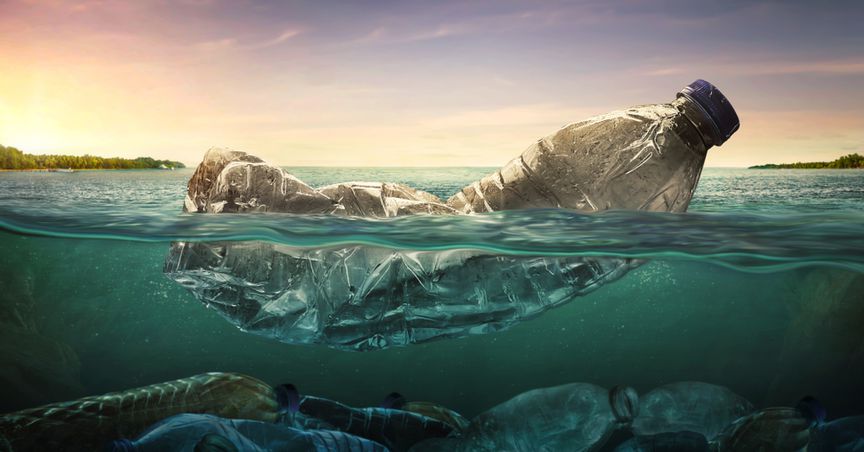





Source: chaiyapruek youprasert ,Shutterstock
Summary
- The plastic problem poses a grave threat to Australia’s crown jewel, the Great Barrier Reef and has been responsible for killing several marine species, including dolphins, seabirds, dugongs and turtles.
- Reduce, Reuse and Recycle is the mantra to minimise the overall consumption of virgin plastics.
- Australia plans to boost domestic plastics recycling infrastructure and invest over $190 million towards the recycling modernisation fund.
While “God is ubiquitous” might be debatable, “plastics are ubiquitous” may be easily accepted. From the single-use coffee-cups to your favourite sodas, all of them come in plastics. Plastics are a wide species of synthetic and semi-synthetic materials made of long polymer chains and can be moulded or extruded into different shapes and forms. The long polymer chains of carbon atoms and hydrogen, oxygen, sulphur, and nitrogen make up a monomer unit that is repeated to form a polymer.
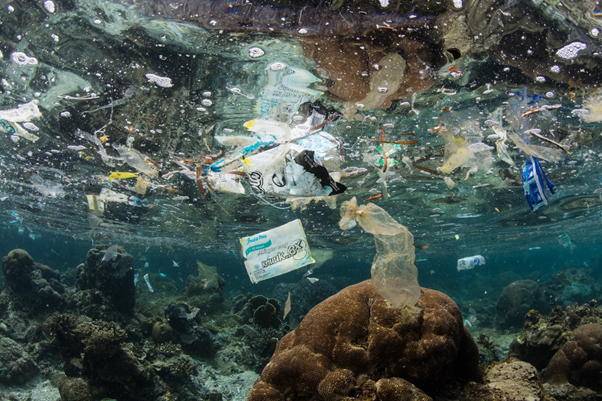
Source: © Ethanadaniels | Megapixl.com
Plastic Pollution: A death knell for ocean life
According to the World Wild Fund (WWF), an average Australian uses over 130 kg of plastics every year. You could evaluate the magnitude of the problem by the fact that up to 130,000 tonnes of plastic waste manages to make it to waterways and the ocean. These wastes can be life-threatening for marine wildlife and degrade the quality of water.
As per the Department of Agriculture, Water and the Environment, the National Plastics Plan states that the Australians used roughly 3.5 million tonnes of plastics during 2018-2019, out of which nearly 60% was imported into the country. Further, over 60% of the plastics consumed was imported, and a mere 13% was recycled. The report also anticipates that the increasing population growth and consumption of plastics, if left unchecked, oceans may have more plastics than fishes by the year 2050.
As per the International Union for Conservation of Nature, plastic waste accounts for 80% of all marine debris. Over 8 million tonnes of plastic waste end up in the ocean every year. While we realise that plastics pollution is not an Australia-specific problem, it needs to be emphasised that Australia is one of the largest plastics consumers globally on a per capita basis and is extremely reliant on imported plastic products.
What’s the issue with plastics?
Plastics are usually designed to be very durable and may take potentially millions of years to decompose in a landfill. As per various research studies, plastic waste affects over 800 marine and coastal species directly by ingestion, entanglement, or damage to the habitat. It is also estimated that over a million sea birds and over 100,000 marine mammals die each year from the problems caused by plastics.
Marine plastic waste has also been realised as a major threat to Australia's crown jewel, the Great Barrier Reef and has been responsible for killing marine species, including dolphins, seabirds, dugongs, and turtles.
Cost Efficient and Sustainable Solution: Reduce, Reuse and Recycle!
While it may seem like the most typical solution to plastics pollution, it is also an effective one.
Source: © Eyematrix | Megapixl.com
Reduce: A smart and simple solution to battle the scourge of plastic pollution is to reduce the consumption of plastics in the first place. The transition to eco-friendly and cost-efficient alternatives could be an important way to reduce your plastic consumption. It could be as simple as limiting the usage of plastic straws for juices or plastic wraps for your sandwich. Well, every bit of it counts!
Reuse: Another way to cut down on your overall plastics consumption could be via using the same plastic products again and again. Many of the plastic products we use can be reused, be it plastic bags or containers.
Recycle: The recycling of your plastic waste may be used to produce new products. Plastics can be recycled using physical and chemical treatments. Polyethylene terephthalate or PET bottles are widely recycled to produce new products. While chemical recycling is an option, it may restrict certain specific polymers due to the colouring agents, recycling economics, and other factors.
What’s Australia’s take on the issue?
Australia focuses on dealing with plastic waste through Reduce and Reuse initially and then switch to Recycle as a last resort. The Australian companies have progressively adopted the Australasian recycling logo and provide easy-to-understand recycling information.
The government and industry have been focussing on minimising the export of plastic wastes and plans to ban all unsorted mixed plastics exports from July 2021. Further, all sorted and cleaned plastics exports will be banned from July 2022.
The Australian government plans to invest over $190 million towards the recycle modernisation fund that is expected to generate a recycling investment of over $600 million and expedite the Australian waste and recycling efforts. Australia anticipates generating over 10,000 jobs and plans to divert over 10 million tonnes of waste to newly revamped recycling facilities.
All financial information pertains to Australian Dollars unless stated otherwise.
