
 AUS
AUS
 NZ
NZ
 UK
UK
 CA
CA
 USA
USA
 IND
IND


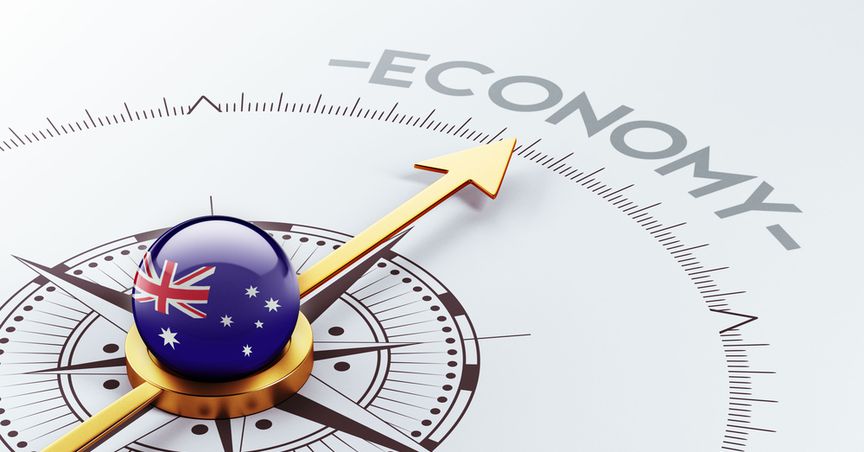





Summary
- The GDP forecast for the year 2021 is 2.75%, an improvement over the current GDP growth rate.
- Policy settings have been supportive, including the relief offered on taxes and the government infrastructure investment.
- The forecast for 2020-21 remains vulnerable due to the lack of consumer confidence and the shape of global economic growth.
- Expected inflation for 2020-21 is 2.5%, which lies within the RBA objective for the period.
The government projections for the fiscal year 2020-21 have shown that the economy is bouncing back. The mid-year economic and fiscal outlook presented a real GDP growth forecast of 2.75% for 2021. This forecast is higher by 0.5 pt from the forecasted GDP growth rate for 2019-20.
The Australian economy has shown immense resilience even in times of COVID-19-induced uncertainty. Strong monetary policy decisions coupled with targeted relief packages have enabled the economy to bounce back in a better way than expected.
This improvement in the projections came after the unemployed rates significantly improved, led by a consumption-fueled growth. With an overall decline in the GDP growth rates in 2019-20, it was expected that the economy would perform much better in 2021. However, current statistics have outperformed expectations, thus, giving far better projections for 2021 than expected.
Image Source: pexels
FAVOURABLE FACTORS
Supportive policy settings have enabled the Australian economy to stay robust throughout 2020. These policies include the personal income tax relief offered in the 2018-19 and 2019-20 budgets, continued investment by the government in infrastructure, monetary policy adjustments, and the depreciation of the Australian dollar.
These policies have enabled households to continue spending even in uncertain times. Infrastructure investments by the government ensure that economic activity continues and there is development in the economy. A depreciation in the Australian dollar has benefitted the trade-related sectors of the economy.
The GDP downfall in 2019-20 was also affected by the drought, which had the most severe impact on the rural communities. It is expected that the seasonal conditions would return to normal in the next year. Under this expectation, the farm GDP is forecasted to contribute a higher amount to the national GDP.
A recovery in the housing prices has also supported daily activity. A downturn in the housing prices in 2019-20 led to a fall in profits in the housing sector. During the second lockdown in Victoria, many people shifted to regional cities, away from their offices in the capital cities, as the provision of remote working was made accessible to them. This led to reduced demand and thus, reduced prices in the household sector. As restrictions ease in various parts of the country, people have started migrating back to Victoria and housing prices have also shot up.
ALSO READ: What will Australia’s housing prices look like in 2021?
IMPROVED STATISTICS
Global growth is also expected to improve to 3.5% in 2021, which should have a positive effect on trade revenues. The major trading partners of Australia are expected to grow by 3.5% in 2019, 3.75% in 2020, and 4% in 2021. The positive effects of this improvement in forecast are expected to increase due to the signing of the RCEP by Australia and its trading partners.
Employment is expected to grow by 1.75% through the year to the June quarter 2020 and the June quarter 2021. Labour force participation rate is also expected to show strength during this period. While the unemployment rate is expected to be 5.25% and wages are expected to rise by 2.5% during the same period, inflation is expected to grow by 2.5%, which is consistent with the objective set by the RBA.
Over the next few years, GDP is expected to grow by a rate of 2.75%. Further, real GDP is expected to grow faster than potential at 3% in one year from 2021-22. The increase in the real GDP was forecasted considering the factor that the spare capacity in economy would be absorbed in the coming years. Thus, once entire capacity is absorbed, the economy would grow at its potential after 2022.
RELATED READ: ABS data revealed surge in International trade and housing loan commitments
THE CHALLENGES
The biggest source of uncertainty would be how the global economy pans out. With many diplomatic ties on the line, the expected revenue from the trade might suffer. A cut down in number of trade barriers and decreased international tensions like the continuation of a negotiation between the US and China, should boost the global GDP outlook.
Global financial markets are also susceptible to a downfall as most countries are emerging from recessions and are in a vulnerable state. Immense pressure has been put on the banking and financial sectors as countries depend on fiscal aids to bounce back.
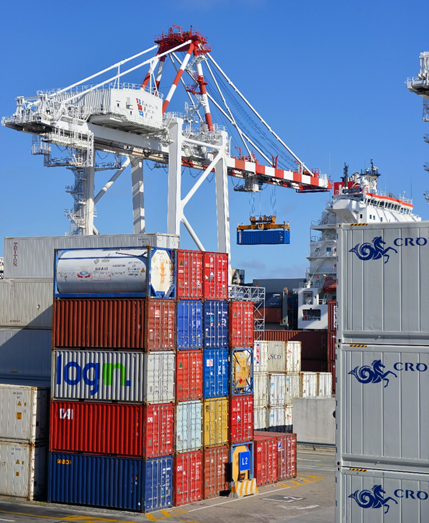
Image Source: pexels
Domestically, there are also uncertainties like consumers becoming too cautious and saving more rather than spending. The household saving ratio is expected to fall by an increased rate as the consumption increases in the coming period. An improvement in full-time employment is expected to increase the disposable income available with individuals. This should encourage spending in the economy. However, without the promise of a vaccine in the future, or the economic downturn persisting for long, consumers would become more wary and save more.
