
 AUS
AUS
 NZ
NZ
 UK
UK
 CA
CA
 USA
USA
 IND
IND


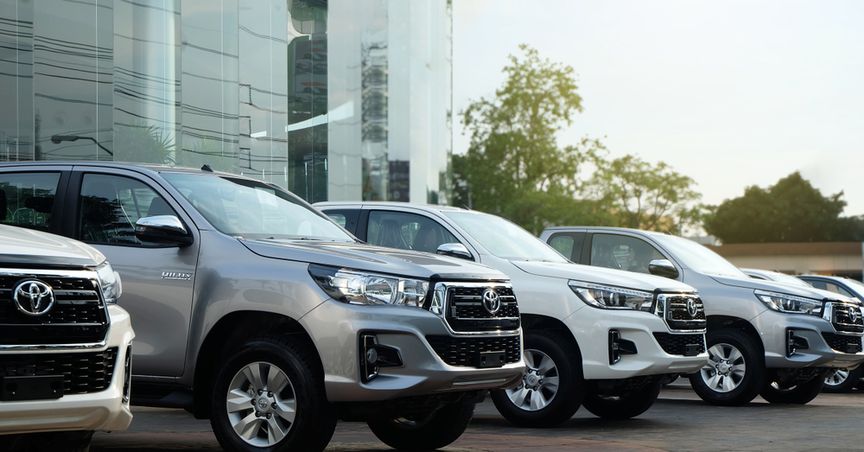




Summary
- The COVID-19 crisis has been a challenging time for the automotive industry due to the disrupted supply chain and reduced demand.
- November 2020 sales figures have highlighted improvement in new vehicle sales.
- Government is supporting the next-generation automotive projects.
The automotive sector, similar to most of the other sectors, has undergone a challenging time due to the unprecedented COVID-19 crisis. Lockdown restrictions heavily affected production as most of the on-site work came to a standstill. Remote working was out of question for most of the factory workers.
One of the most significant effects was disruption in the supply chain due to the heavy bouts of coronavirus in Japan, South Korea, and China, which account for a substantial share of global automobile manufacturing.
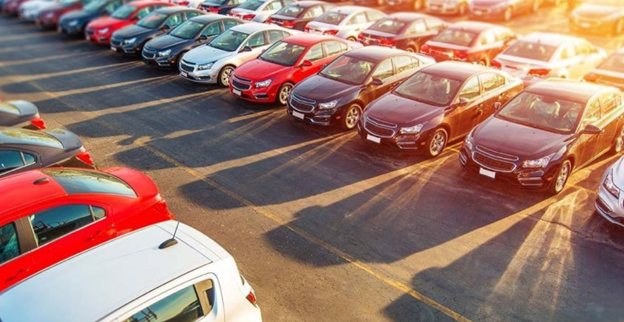
Image Source: Shutterstock
Also read: What's Latest in the Australian Automotive Industry?
Also, during the time of economic turbulence and prolonged pandemic-driven environment, people are more cautious about spending unnecessarily. This factor also contributed to the low demand for vehicles during the COVID-19 crisis. However, now the sector is coming out of the initial shock and trying to bounce back from the effects.
The electric vehicle segment is creating a lot of ripples in the market due to its high demand and more advanced battery technology. The automotive sector is undergoing a transformative phase due to many promising EV options available in the market. EVs are being considered as the future of the automobile world due to their zero-emission factor and more evolved sustainable battery systems.
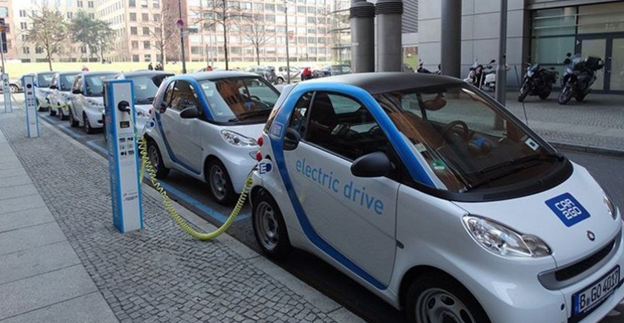
Image Source: Shutterstock
Good Read: Tesla's EV strategy to churn out quality automobile amid global competition
The sector is also witnessing an increase in the use of technologies like Artificial Intelligence (AI). The pandemic has pushed the demand for self-driving autonomous vehicles which allow a commuter not to share the vehicle with a driver.
Sales Data Shows Signs of Recovery
The Federal Chamber of Automotive Industries (FCAI) recently released sales volume for new vehicles in Australia for the month of November. The data is positive for the first time in over 2.5 years.
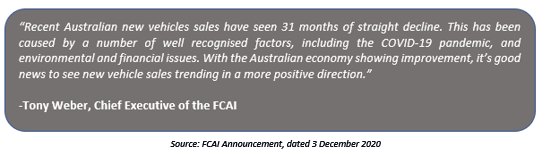
November 2020 new vehicle sales stood at 95,205, up by 12.4 per cent from 84,708 in the same month a year ago. On a year-to-date basis, sales were recorded at 821,316 units, registering a decline of 16.1 per cent from 978,628 units in PCP.
The top five selling models for November were:
- Toyota Hi Lux with 5,038 sales
- Ford Ranger with 4,260 sales
- Toyota RAV4 with 3,800 sales
- Toyota Landcruiser with 2,947 sales
- Toyota Corolla with 2,774 sales.
The hot-selling brand for the month remained the Japanese Toyota with 23,204 sales. Mazda grabbed the second position with 9,053 sales. Whereas Hyundai, Ford, and Mitsubishi accounted for 6,903, 6,613, and 5,488 sales, respectively.
The new vehicle market has improved due to multiple reasons such as customers’ confidence boosted by the easing of restrictions and improving Australian economy. The industry has been backed by the government support programs during the pandemic. Additionally, when international travel has been restricted, Aussies are preferring buying a new vehicle and holidaying at home.
Must read: How has COVID-19 steered our mode of travel?
Govt Funding for Innovative Automotive Projects in 2020
The government investment in the sector has been more significant this time, as the industry is trying to recover from the COVID-19 impact.
As reported on 8 July 2020, 17 Australian automotive companies secured nearly AUD 2.8 million in funding through the Automotive Innovation Lab Access Grants program under the Round 2. The program is a crucial part of the government's AUD 100 million Advanced Manufacturing Fund.
The prominent receiver of the fund was Adelaide's Lightforce Australia, which secured AUD 200,000 to develop a next-generation driving light for improving visibility through sensors. Another recipient was Innovative Mechatronics Group in Victoria, securing AUD 103,000 to develop the country's first national-scale hybrid battery aftermarket service for recycling used batteries from hybrid-electric vehicles.
Also read: What is the latest with BrainChip, PointsBet, and Eagers Automotive Share Price?
