
 AUS
AUS
 NZ
NZ
 UK
UK
 CA
CA
 USA
USA
 IND
IND


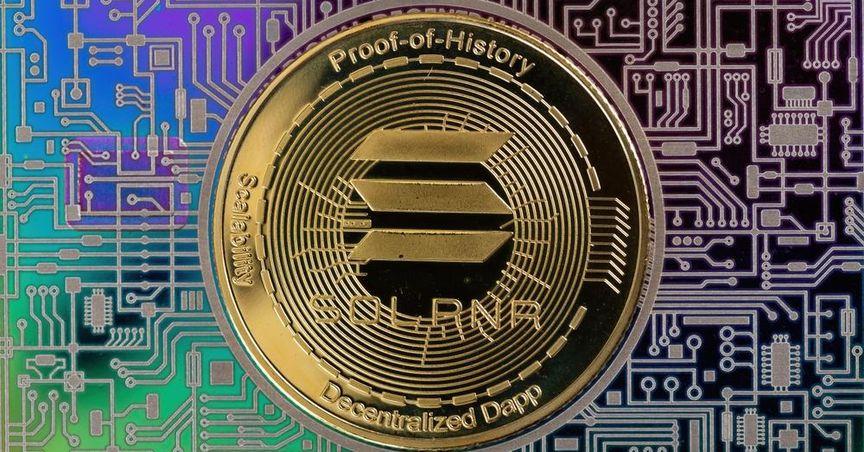




Solana’s native token, SOL, has faced challenges in maintaining a price above $150 since August 11. Despite persistent buying activity at the $125 support level, SOL has remained largely stagnant over the past four months.
Despite a significant rise in deposits and activity on the [Solana] network, this growth has not been reflected in SOL’s price performance. Several factors appear to be contributing to this situation.
One key issue is the decline in the recent memecoin frenzy that initially buoyed SOL’s price. The hype surrounding memecoins, driven by airdrops and speculative trading, has dissipated. Notable memecoins such as [Dogwifhat], BONK, [Lido], POPCAT, and Wormhole (W) have all experienced significant price corrections. Data from DappRadar shows a 44% drop in pump.fun volume over the past week, totaling $133.5 million. Additionally, Dune Analytics indicates that a substantial percentage of memecoins failed to list on decentralized exchanges due to insufficient liquidity.
Despite the decline in memecoin activity, which initially spiked SOL’s demand, this segment’s lack of real value or utility, as noted by Messari data engineer Mike Kremer, has led to increased scrutiny. Memecoins, although a notable driver of SOL demand, are viewed as less reliable compared to decentralized finance (DeFi) tokens.
However, focusing solely on memecoins does not provide a complete picture of SOL’s performance. The Jito liquid staking application and the decentralized exchange Raydium have seen increased activity and fees recently. Other notable projects on the Solana network include the Kamino lending and liquidity platform, the Marinade staking solution, and Jupiter, a decentralized exchange specializing in perpetual contracts.
Unfortunately, overall activity on the Solana network has declined across various sectors, including DeFi, NFT marketplaces, Web3 infrastructure, gaming, gambling, and collectibles. In contrast, leading decentralized applications (DApps) on the BNB Chain have seen increased user growth.
The recent price surge of SOL above $185 in late July was partially driven by anticipation of potential spot exchange-traded fund (ETF) listings in the United States. However, enthusiasm waned when the US Securities and Exchange Commission (SEC) expressed concerns about SOL’s classification as a security. Cboe Global Markets subsequently decided against proceeding with the 19b-4 forms related to Solana ETFs. The lack of clear regulatory guidelines for crypto ETFs has led to skepticism about future approvals.
As a result, despite some network growth and potential ETF prospects, SOL’s price has struggled to break above the $150 mark, reflecting the complex interplay of market dynamics and regulatory uncertainties.
