
 AUS
AUS
 NZ
NZ
 UK
UK
 CA
CA
 USA
USA
 IND
IND




Highlights
- Geopolitical tension lifted crude prices and buoyed the energy complex.
- Coal, fuel retailing and utilities each responded in their own way.
- The breadth of the sector offered varied shades of energy exposure.
When global crude prices lurch, the ripples reach every corner of Australia's energy market, and this week those ripples ran strong. A fresh flare-up of geopolitical tension sent oil higher, rekindling worries about supply routes and lifting energy shares across the board. Whitehaven Coal (ASX:WHC), a major producer of coal for both power generation and steelmaking, sat among the names catching the updraft, a reminder that the energy label on the ASX 200 stretches well beyond oil and gas to embrace coal, fuel distribution and the utilities that keep the lights on across the country.
Crude sets the tempo
Oil remains the metronome of the energy sector, and its swings dictate the mood far beyond the producers that pump it. The latest lift came as tensions abroad stoked fears over the safe passage of cargoes through key shipping chokepoints, a perennial source of anxiety for a market that depends on the steady flow of crude. When those fears surface, prices jump, and the shares of energy producers tend to follow. The episode underscored how tightly Australian energy names are bound to distant events far outside their control.
Coal rides its own cycle
Coal occupies a complicated but still significant place in the energy landscape. Whitehaven Coal produces both thermal coal, burned to generate electricity, and metallurgical coal, essential to steelmaking, giving it exposure to two distinct demand streams. Despite the long-term push toward cleaner energy, global appetite for coal has proven stubbornly resilient, particularly across parts of Asia where power demand keeps climbing. That durability has kept the coal names relevant, their fortunes swinging with commodity prices, weather patterns and the ebb and flow of industrial activity abroad.
Fuel retailing and the downstream world
Not every energy business lives at the wellhead or the mine. Viva Energy (ASX:VEA), a major refiner and fuel retailer that supplies petrol stations and commercial customers across Australia, represents the downstream end of the chain, where crude is turned into usable fuels and sold on. Downstream operators face a different set of pressures, earning margins on refining and retailing rather than riding raw commodity prices directly. When crude climbs, their economics can be squeezed or supported depending on how quickly pump prices adjust, adding another layer of nuance to the sector.
One sector, many engines
The diversity of the energy category is easy to overlook. Producers, miners, refiners and power companies all sit under the same banner yet respond to different drivers. Those exploring the full range of ASX Energy Stocks ASX Energy Stocks quickly find that a single move in crude can help one part of the sector while pressuring another, making the label far less uniform than it first appears. Understanding those crosscurrents is central to reading how the complex behaves on any given day.
Utilities and the power question
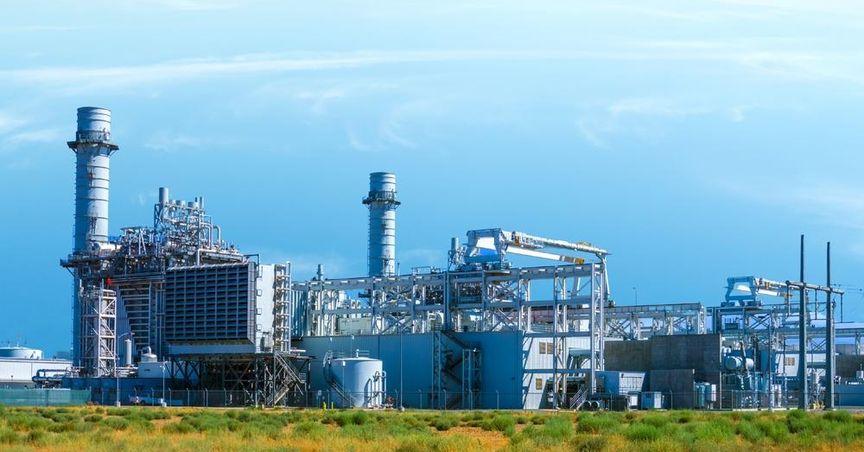
At the far end of the spectrum sit the electricity and gas suppliers that power homes and businesses. Origin Energy (ASX:ORG), an integrated energy group spanning power generation, gas and electricity retailing, illustrates how utilities blend commodity exposure with steady consumer demand. These businesses must juggle the cost of the fuel they burn against the prices they charge customers, all while navigating the long shift toward renewable generation. Their steadier, demand-driven earnings offer a contrast to the sharp swings that define the pure producers.
The transition backdrop
Every part of the energy sector operates in the shadow of the transition toward cleaner power. Coal producers face questions about the longevity of their markets, refiners weigh the future of liquid fuels, and utilities pour capital into renewables and storage. The pace of that shift is hotly contested, and it shapes how the market values each corner of the sector. Businesses that can straddle the old and new worlds, generating cash today while positioning for tomorrow, tend to command the most durable regard from the market.
What to watch across energy
From here, the direction of oil prices will remain the single biggest swing factor for the sector's mood, with geopolitical headlines capable of moving the whole complex in a session. Beneath that, coal demand, refining margins and power prices will each tell their own story. The week's action served as a vivid reminder that the energy label spans a remarkably varied set of businesses, united only by their shared connection to the fuels and power that keep a modern economy running.
