
 AUS
AUS
 NZ
NZ
 UK
UK
 CA
CA
 USA
USA
 IND
IND



_02_06_2025_07_05_23_538703.jpg)


Highlights
- USDT, XAUT are part of the wider Tether project that claims to provide ‘stable’ value cryptos to the market
- The value of one USDT token is claimed to always be equal to one US dollar, irrespective of volatility in other cryptos
- Bitcoin was meant to provide a fiat currency replacement, but Tether does not seem to have similar motivations
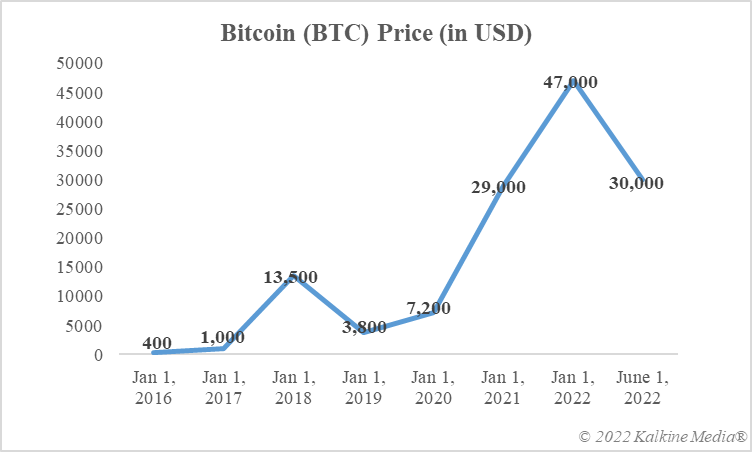
Although considered a part of the crypto world, Tether cannot be directly compared to regular cryptocurrencies like Bitcoin. Bitcoin, regarded as the first crypto to be conceptualised, does not maintain a stable value. The value is decided by demand and supply forces and hence can change at any given point. Bitcoin’s invention was motivated by producing a blockchain technology-based electronic coin, which could be a faster and cheaper mode of remittance.
Tether was a late invention, and its main motivation was possibly to provide a stable value alternative to cryptocurrency enthusiasts. Bitcoin’s value has shown intense volatility, which many consider as its biggest weakness. Prices of altcoins like Ethereum (ETH) and Dogecoin (DOGE) are also very speculative. What about Tether?
Tether’s stable value
The Tether project’s primary feature is the purported stable value of its coins, including USDT. USDT, the project claims, has a fixed exchange rate. It is pegged to the US dollar, which implies that one USDT coin should always be redeemable for one USD. By this measure, it can also be said that Tether does not lose value. Tether claims to hold adequate reserves at all times to back the value of USDT and its other stablecoins like XAUT (a gold-pegged cryptocurrency).
On the other hand, it can be said that the gains or weaknesses in the US dollar also manifest in the USDT coin. For example, when the US dollar gains against a basket of currencies like the yen and the euro, it can be assumed that the USDT coin’s value has also gained vis-à-vis these fiat currencies.
Data provided by CoinMarketCap.com
Reserves
Any currency, digital or otherwise, which maintains a peg with some other commodity like gold should always be backed by reserves so that redemption requests are never turned down. The Tether project asserts that USDT tokens floating in the market are backed by reserves comprising cash and other liquid assets. Many experts warn that stablecoins can be as vulnerable to shocks as other cryptocurrencies. For example, the TerraUSD stablecoin project, which was pegged to the US dollar, collapsed a few months back.
Bottom line
It is said that Tether’s stablecoins, including USDT, do not lose value. In fact, the market cap has so far shown immense stability in an otherwise ultra-volatile cryptocurrency world. The central use of USDT is said to be in executing trades in other cryptos like Bitcoin. However, TerraUSD’s failure has proven that even stablecoins are susceptible to a collapse in value, so due diligence is very crucial.
Risk Disclosure: Trading in cryptocurrencies involves high risks including the risk of losing some, or all, of your investment amount, and may not be suitable for all investors. Prices of cryptocurrencies are extremely volatile and may be affected by external factors such as financial, regulatory, or political events. The laws that apply to crypto products (and how a particular crypto product is regulated) may change. Before deciding to trade in financial instrument or cryptocurrencies you should be fully informed of the risks and costs associated with trading in the financial markets, carefully consider your investment objectives, level of experience, and risk appetite, and seek professional advice where needed. Kalkine Media cannot and does not represent or guarantee that any of the information/data available here is accurate, reliable, current, complete or appropriate for your needs. Kalkine Media will not accept liability for any loss or damage as a result of your trading or your reliance on the information shared on this website.
