
 AUS
AUS
 NZ
NZ
 UK
UK
 CA
CA
 USA
USA
 IND
IND


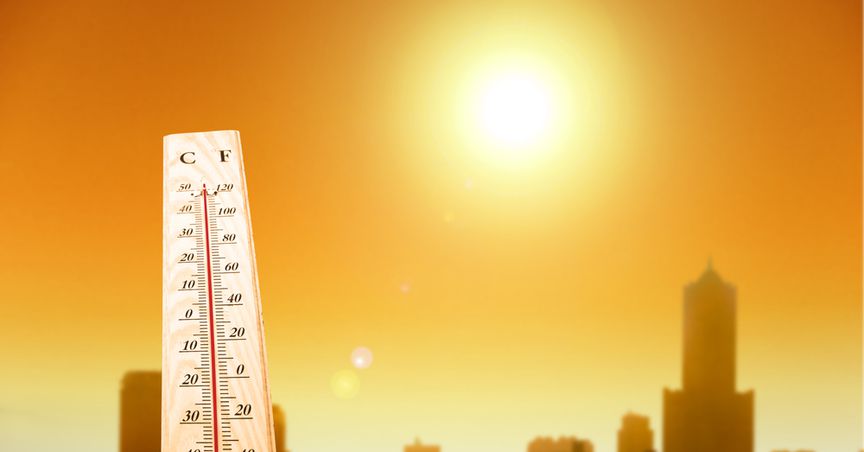




As temperatures soared to record high levels in Canada and the US in the last week of June, death tolls rose quickly.
Canada’s British Columbia, which reportedly sees an average of 165 deaths every year in excessive heat, is already said to have recorded about 486 deaths in the past week as the temperature shot past 49 degree Celsius.
Meanwhile, the British Columbian town of Lytton made international headlines as its record heat spike was closely followed by explosive wildfires on Wednesday, June 30, leading to an immediate evacuation order for residents.

Source: Pixabay
Experts stress that global warming will increase both the frequency and intensity of such extreme weather changes as time goes by. And while extensive measures are being taken by governments, people are also adopting some habits in order to adapt to these changing times.
Air conditioning is one such practice that we have been growing increasing dependent on during summers. Many health agencies also recommend the use of air conditioners (AC) in order to maintain healthy body temperatures.
However, some reports point that the extensive use of ACs does not bode well for our fight against climate change.
Why air conditioning could be hurting while it heals
The invention of air conditioning has often been hailed as one of the most important ones in the world. Singaporean Prime Minister Lee Kuan Yew, often hailed as the father of modern Singapore, was of the view that the country owes much of its modernization and economic growth to air conditioning as it created bearable work conditions.
Researchers take into account the role of air conditioners in hot and humid regions, but they also cannot turn a blind eye to its adverse sides.
A report by the International Energy Agency (IEA) estimates that as the demand rises further, air conditioning could consume as much as 13 per cent of the world’s electricity and churn out 2 billion tons of CO2 annually in future.
Such figures, however, have done little to put a dent in the sale of ACs.
In places like Canada and the US, where temperatures can vary largely based on the time of the year, air conditioners are often not permanent fixtures. Due to this, the demand for ACs notes an uptick during summers. Some reports claim that stores selling air conditioners and fans have run out of stock in the heatwave affected regions in these two countries.
While air conditioning brings much required relief during extreme heat and can even prevent heat-related illnesses amid climate change, government agencies should work on limiting its harmful impact on the environment.
