
 AUS
AUS
 NZ
NZ
 UK
UK
 CA
CA
 USA
USA
 IND
IND


.jpg)



Highlights
- Recently, the Bank of England reported that it had left current base rate on hold at just 0.1%.
- The central bank projected that inflation would to rise temporarily to 4%.
- The economic recovery, linked to easing Covid restriction, has led to increase in energy and commodities price, which in turn increased the inflation rate.
Recently, the Bank of England reported that interest rates were continuing to fall to new historically low level, and it had left current base rate at just 0.1%. Inflation is forested to rise temporarily to 4% in the winter this year as Britain’s strong recovery from the pandemic accelerates at a rapid pace, which will lead to increase in the prices in near future and may affect the people’s savings. They hinted that a modest increase in interest rates next year might be needed to keep rising prices in check.
This would put it at its highest rate for 10 years, and would be double the level the Bank is tasked with targeting. After that, it forecast inflation running at 3.3% in a year’s time, 2.1% in two years and falling back to 1.9% by the summer of 2024.
The Monetary Policy Committee (MPC) had predicted that the UK economy would bounce back to 8% in 2021, which was initially predicted to 7.25%, to regain its pre-pandemic level of activity by 2021 end, rather than next year.
The MPC also reported that the increase in inflation was likely to be temporary due to current surge in energy and imported goods began to decrease, falling prices growth in 2022 towards its 2% target.
Experts said that fixed interest rates on some best accounts have gone down below 2% at the moment. If someone offers you anything above this rate or anything that claims to give you significant above-average returns can be a fraud.
What Is Inflation?
Inflation means the rise in cost of living over time or the decrease in the purchasing power of currency over time and it is tracked by several different indices. If the costs of a £1 jar of jam rises by 5p, then jam price is inflated by 5%. It applies to services too.

The measure of inflation and prices include consumer price inflation, producer price inflation and the House Price Index.
Every month, the Office for National Statistics (ONS) collects around 180,000 prices of about 700 items such as transport, food and entertainment. They use this “basket of goods” to calculate Consumer Prices Index (CPI), which is the measure of inflation.
The UK economy has eased the Covid restrictions and regains its pre pandemic level, which has led to higher energy and goods prices, which in turn, reflect rising commodity prices, transportation bottlenecks, constraints on production and strong global demand.
Also read: Where should you invest with UK savings rate falling?
In June, the prices of various commodities such as clothing, food, vehicles, books and fuel increased which led to increase in CPI to 2.5%. All this is causing frustration among savers and people with fixed income, as the bank reported that prices of some of the commodities will continue to rise over the next few months.
Inflation Target
The UK Government has sets an inflation target of 2% to keep inflation low and stable. The target helps everyone to plan for the future. The economist sees inflation as a sign of what’s going on in the economy.
If the inflation is too high or there is too much volatility, it’s hard for businesses to set the right prices and for people to plan their spending.
However, if the inflation is too low or negative, then some people may put off spending because they expect prices to fall. Although lower prices sounds like a good thing, if everybody reduced their spending then businesses could fail and people might lose their jobs.
So, the moderate inflation is not bad as it encourages people to keep spending. But high inflation has many consequences. As the cost of mortgages, student loan, commodities and other borrowing goes up. This means people and businesses will have less money to spend, demand will fall, and prices will stop rising so quickly.
Impact Of Inflation On Saving
If the inflation rate is high at a time when interest rates are low, the purchasing power of the money you are saving will decrease at the time of withdrawal as it did when you put it away, because prices typically go up in the future.
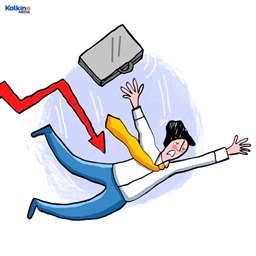
If you have saved £10,000 under your bed, that money may not be able to buy as much 10 years into the future. Through you haven’t actually lost money, you end up with a smaller net worth because inflation eats into your purchasing power.
When you keep your money in the bank, you get interest, which strikes a balance when come to inflation and its effects. If inflation is high, banks typically pay higher interest rates. But your savings might not multiply fast. But if the inflation is rising and the interest rates are low then you end up losing money, if £100 in an account paying no interest will be worth about £91 in three years and if inflation hits 4%, savers will pay £34 a year on every £1,000, just for keeping it in cash.
How Can It Impact Investments
To beat inflation, you have to invest your money in high-risk investments but there is always the chance that you could lose money too. The impact of inflation on investments depends on the instrument you have put in your money.
Investing in equity offers the opportunity to grow as well as offering capital gain over the longer term. Inflation is typically high when the economy is strong. Businesses may be selling more, which could help their share price. However, businesses will also pay more for wages and raw materials, which hurts their value. Whether inflation will help or hurt a stock can depend on the performance of the company behind it.
Investments, like bonds or certificates of deposit, which promises to give a particular annual return, for those inflation can hurt performance — since you earn the same interest payment each year, it can cut into your earnings. If you receive a payment of £100 per year, for instance, that payment would be worth less and less each year given inflation.
Precious metals like gold historically do well when inflation is high. When the dollar price goes down, it costs more dollars to buy the same amount of gold.
How Can It Impact Borrowing
The impact of inflation on borrowing depends upon the type of loan you have taken. If you have a loan on a variable rate of interest, then increase in the interest rate would push up your repayment. However, many people opt for fixed-rate loan, which do not impact the cost of borrowing.
Inflation can downsize the size of your debt in real terms. If it leads to a pay rise, then the sum you need to repay each month will be less of your income than when you first took on the loan.
How It Impacts Your Salary/Wages
Most of the workplaces do not increase the pay in line with inflation, which affect the purchasing power of the employees, as they will earn the same amount but have to pay high to purchase commodities and various items. This means they will have less disposable income, this will led to fall in demand.
If businesses in some sectors are already battling with staff shortages, may have to increase wages to attract and retain workers.
How It Impacts Pension And Other Benefits
The UK government offers various benefits linked to inflation such as the state pension. The triple lock was launched by the coalition Government in 2010 to protect state pension so it would not lose value in real terms and that it would increase at least in line with inflation.
Also read: What is The Triple Lock on Pension Saving?
The triple lock system includes three measures that decide how much the state pension will go up each year. It includes average earning- the average percentage growth in wages (in Great Britain), the consumer prices Index- the percentage growth in prices in the UK as measured by the Consumer Prices Index (CPI) or 2.5%. However, the Boris Johnson government has indicated that it may cut the link s as wages are increasing significantly. Some private pensions do have payments linked to inflation, so should go up.
