
 AUS
AUS
 NZ
NZ
 UK
UK
 CA
CA
 USA
USA
 IND
IND




Highlights
- Sovereign Metals confirmed heavy rare earth elements within monazite concentrates at the Kasiya project.
- The discovery could introduce a potential third revenue stream alongside rutile and graphite production.
- Strong concentrations of dysprosium, terbium, and yttrium have intensified strategic supply chain interest.
Sovereign Metals attracted fresh market attention after confirming heavy rare earth potential at Kasiya, expanding the project’s strategic significance beyond rutile and graphite production.
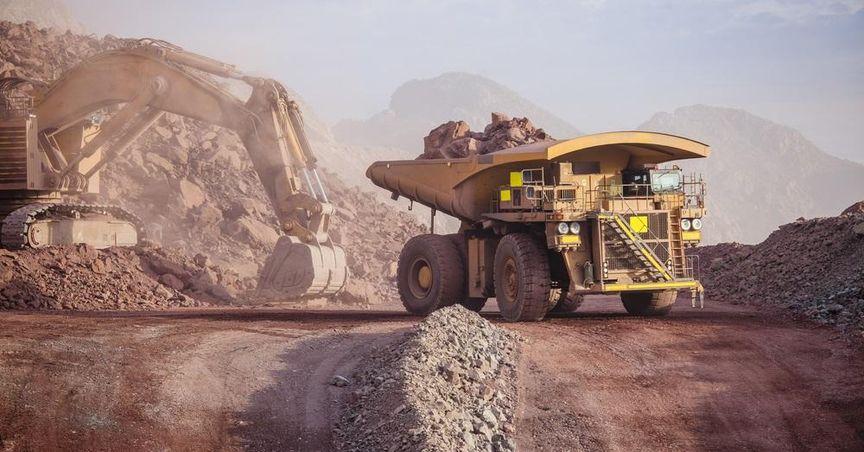
Sovereign Metals Limited (ASX:SVM) has moved sharply back into focus after revealing that its massive Kasiya project in Malawi may contain a highly valuable heavy rare earth component alongside its already significant rutile and graphite resources. The update has materially reshaped market discussion surrounding the project because the newly confirmed rare earth presence could potentially add another revenue pathway without requiring major changes to the existing development plan. With Western economies increasingly searching for non-Chinese sources of critical minerals, the announcement has amplified attention around Sovereign Metals and its strategic positioning within the global supply chain landscape and broader ASX 300.
Kasiya was already one of the world’s largest rutile projects
Before the latest update, Kasiya was already recognised primarily for its rutile and graphite potential.
Rutile is considered one of the highest-quality titanium feedstocks globally and plays a critical role across aerospace, industrial manufacturing, pigments, and advanced engineering applications. Graphite, meanwhile, remains a key material used within battery production and electrification technologies.
The scale of Kasiya had already positioned Sovereign Metals as an important emerging critical minerals story within the Australian market.
However, the confirmation of heavy rare earth elements within existing monazite concentrates has significantly expanded the strategic relevance of the project beyond titanium and graphite alone.
The company forms part of the broader ASX Metal & Mining Stocks segment, where critical minerals exposure continues attracting heightened global attention.
Heavy rare earths change the market narrative
The discovery of dysprosium, terbium, and yttrium within the Kasiya project has become the defining takeaway from the latest announcement.
Heavy rare earth elements are among the most strategically important materials within modern technology and defence industries due to their use in permanent magnets, electric drivetrains, radar systems, aerospace coatings, and military technologies.
What attracted particularly strong market attention was the unusually high proportion of these valuable heavy rare earth elements compared to many existing global producers.
The concentration profile highlighted by the company appears materially stronger than the typical basket composition seen across several major international rare earth operations.
This distinction matters because heavy rare earths often command greater strategic value than broader total rare earth volumes alone.
Existing infrastructure could support the opportunity
One of the most significant aspects of the update is that the rare earth component may integrate into the existing Kasiya development framework without requiring a completely separate mining operation.
The monazite material reportedly exists within tailings streams already generated by the current project flowsheet, meaning the company may not require a major new mine plan or entirely separate primary processing system.
This potentially lowers the capital intensity typically associated with standalone rare earth developments, which often require extensive processing infrastructure and high upfront investment.
Markets frequently place greater value on projects where additional mineral streams can be extracted from existing operations rather than requiring entirely new developments.
The possibility of layering rare earth exposure onto an already advanced rutile and graphite project has therefore become a major focus for investors.
Western supply chain concerns intensify focus
The timing of the announcement has also amplified its significance.
Global governments and industrial groups continue searching for alternative sources of critical minerals outside China, particularly within rare earth supply chains linked to defence systems, renewable energy infrastructure, and electric vehicle manufacturing.
China currently dominates global heavy rare earth production and processing capacity, making supply diversification an increasingly important geopolitical and economic objective for Western nations.
This backdrop has triggered growing international investment activity across critical minerals projects capable of supplying strategic rare earth elements.
The latest Sovereign Metals update therefore arrives during a period where non-Chinese heavy rare earth exposure is receiving unusually strong market and policy attention.
The broader ASX mining stocks sector continues benefiting from rising strategic interest in future-facing mineral supply chains.
Strategic optionality continues expanding
The Kasiya project now appears to offer exposure across several major long-term resource themes simultaneously.
Titanium feedstock demand remains linked to aerospace and industrial manufacturing activity, graphite remains central to battery supply chains, while heavy rare earths are increasingly viewed as critical strategic materials for advanced technologies and defence systems.
This combination potentially strengthens the project’s strategic relevance compared to single-commodity developments.
At the same time, investors remain aware that substantial technical and commercial work still lies ahead before the rare earth opportunity can be fully quantified or monetised.
Further mineralogical studies, downstream processing analysis, and economic assessment work will likely become central to the next stage of the project’s development narrative.
Rare earth processing challenges remain important
Despite the excitement surrounding the announcement, several important technical considerations remain unresolved.
Monazite processing can involve handling uranium and thorium by-products, creating regulatory, environmental, and processing complexities that must be carefully managed.
In addition, downstream separation capability and future offtake arrangements will likely play a major role in determining the ultimate commercial value of the rare earth component.
These factors are particularly important because rare earth economics often depend heavily on processing pathways and strategic customer agreements rather than resource scale alone.
The market therefore appears increasingly focused not just on the presence of rare earths, but also on how effectively Sovereign Metals can progress the project through the next stages of technical validation.
Global deal activity highlights strategic value
Recent international acquisitions and government-backed supply agreements across the rare earth sector have reinforced the strategic importance of non-Chinese supply opportunities.
Growing geopolitical competition surrounding critical minerals has increased investor interest in projects capable of supporting Western supply chain independence.
Sovereign Metals now appears increasingly positioned within this broader strategic conversation, particularly given the scale of Kasiya and its advanced development status.
The involvement of major industry participants and growing international critical minerals investment activity may continue supporting long-term market interest in the project.
The broader ASX Growth Stocks category has similarly attracted attention towards companies linked to future-focused industrial and energy transition themes.
Investors now watch the next technical milestones
The next phase for Sovereign Metals will likely centre on confirming the economic viability of the rare earth opportunity through additional technical and commercial studies.
Markets are expected to closely monitor mineralogical characterisation work, processing pathway development, and any future economic uplift analysis tied to the rare earth component.
Within the broader All Ordinaries, companies exposed to strategic minerals and energy transition supply chains continue attracting heightened market attention amid accelerating global competition for critical resources.
For Sovereign Metals, the latest announcement may ultimately represent a major turning point in how the market values the long-term strategic importance of the Kasiya project.
