
 AUS
AUS
 NZ
NZ
 UK
UK
 CA
CA
 USA
USA
 IND
IND






Highlights
- Rio Tinto is being assessed through asset balance as the Australian resources market becomes more selective.
- Production reliability across iron ore and copper remains central to the companys wider mining narrative.
- The key question is whether disciplined execution can support steadier cash generation through changing commodity conditions.
The Australian share market has entered a more selective phase, with weaker global leads, volatile energy conditions and reporting-season caution raising the standard for large resources companies. Rio Tinto (ASX:RIO), a diversified global miner with major Pilbara iron ore operations and growing copper exposure, is drawing attention because its value rests on more than one commodity cycle. As a prominent member of the ASX 20, the company is being judged on whether asset balance, production reliability and capital discipline can support a clearer operating story while bulk commodities and transition metals face different demand signals.
Asset Balance Moves to the Centre
Rio Tintos scale gives it exposure to several major resource themes, but scale alone does not settle the debate. The companys appeal depends on how effectively its portfolio balances mature cash-generating assets with operations linked to longer-term industrial change.
Iron ore remains central to the business because the Pilbara provides large production capacity, established infrastructure and access to major Asian steel markets. Copper adds a different demand profile, tied more closely to electricity networks, renewable infrastructure, manufacturing and the broader shift towards electrification.
For readers tracking Metal & Mining Stocks, this mix creates a useful point of comparison. Rio Tinto is not simply an iron ore producer, nor is it solely a transition-metals story. Its relevance comes from the way these exposures interact across changing economic conditions.
The portfolio can provide balance when one commodity faces softer demand, but it also creates a more complex capital allocation task. Each asset must justify its role through operating quality, cost control and a clear contribution to cash generation.
Iron Ore Still Carries the Weight
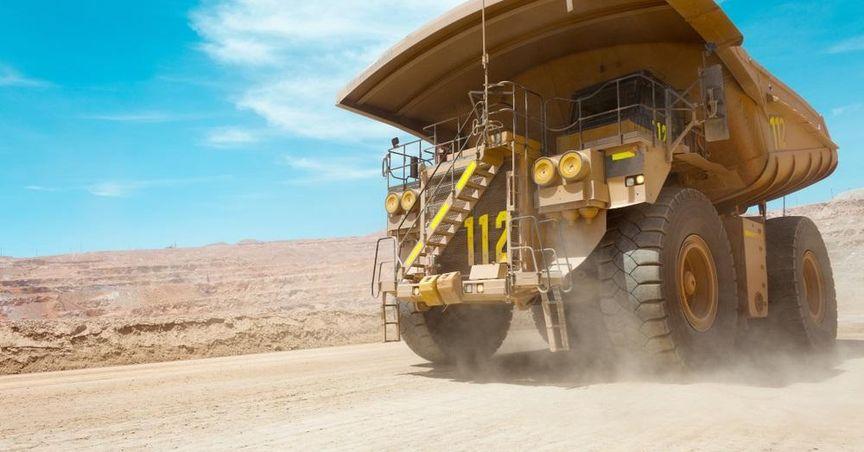
Rio Tintos Pilbara operations remain a major part of the companys production and logistics network. Mines, railways, processing facilities and ports must operate as one connected system before extracted ore can become a completed shipment.
This integrated structure can support efficiency when every part of the chain performs reliably. It can also expose the business to wider disruption when maintenance, weather, equipment availability or mine sequencing affects the network.
The iron ore discussion therefore extends beyond commodity demand. Readers are looking for evidence that Rio Tinto can manage production volumes, product quality and shipment timing without allowing operational friction to weaken margins.
A steady operating rhythm matters because production that cannot be transported or blended appropriately does not create the same commercial value as material delivered to customers on schedule.
Copper Changes the Portfolio Lens
Copper adds strategic depth to Rio Tintos portfolio because demand is influenced by different forces from those shaping iron ore. Power grids, electric transport, data infrastructure and industrial equipment all require substantial copper inputs.
That does not make copper immune to economic pressure. Industrial activity, project timing and construction demand can still create uneven conditions. The difference is that copper provides Rio Tinto with exposure to a broader set of long-term infrastructure themes.
The companys copper assets must still meet the same operating tests as the rest of the portfolio. Grades, recoveries, processing reliability and development discipline all influence whether production translates into healthy margins.
Copper may broaden the companys commodity mix, but diversification creates value only when the underlying assets perform consistently.
Production Reliability Defines the Story
Large mining businesses are often discussed through production targets, yet the quality of production matters as much as the amount extracted. Reliable delivery depends on equipment performance, workforce planning, mine sequencing and processing stability.
Rio Tintos current operating case rests on whether these elements remain aligned across different regions and commodities. A disruption at one large asset can affect the groups wider cash profile, particularly when capital commitments remain substantial.
Production reliability also improves visibility. When output follows a steadier pattern, customers, suppliers and the market can assess the business with greater confidence. Repeated interruptions make costs harder to manage and may weaken the link between commodity strength and financial outcomes.
A selective market is therefore likely to reward consistency rather than isolated periods of strong output.
Pilbara Logistics Remain Essential
The Pilbara is more than a collection of mines. It is a connected logistics system where rail performance, stockyard management and port capacity shape the final shipment result.
Rail interruptions can delay material arriving at export terminals, while uneven mine output can affect blending and customer specifications. Port constraints may then create further pressure if vessels and stockpiles are not matched efficiently.
Rio Tinto must coordinate maintenance without creating unnecessary congestion across the system. Preventive work is essential for reliability, but timing matters because one disruption can influence several assets.
This is why logistical discipline remains part of the supply-balance discussion. Strong commodity demand carries less commercial benefit when physical delivery becomes inconsistent.
Product Quality Adds Commercial Weight
Iron ore customers assess material through grade, impurity levels and processing efficiency. Different products can attract different levels of demand depending on steelmaker priorities and environmental settings.
Rio Tintos ability to blend ore from several mines allows the company to maintain established product specifications. However, that process depends on stable mine sequencing and reliable transport.
Changes in the available ore mix may affect stockpile management and shipment planning. Product quality therefore becomes closely connected with operational execution.
A strong production result is more valuable when the material meets customer requirements without requiring costly adjustments. This makes quality control an important part of defending margins through changing market conditions.
Demand Signals Remain Uneven
Bulk commodity demand can be influenced by steel production, infrastructure activity and construction conditions. Transition-metal demand is shaped by industrial investment, power networks and the pace of technology adoption.
These different drivers make Rio Tintos portfolio both more balanced and more difficult to assess. Iron ore may face caution while copper remains supported by infrastructure themes, or the reverse may occur during a different part of the cycle.
The company cannot control the direction of global demand, but it can control the reliability of production, the discipline of capital spending and the quality of customer delivery.
This makes execution the more durable part of the story. Commodity sentiment can change quickly, while operational credibility is built over time.
Cost Discipline Protects Margins
Mining costs are influenced by energy, labour, maintenance, transport and processing requirements. When production becomes unreliable, these costs can rise even when output falls.
Rio Tintos scale may support efficiency, but it also creates a large operating base that requires careful management. Cost discipline depends on reducing avoidable disruption rather than cutting expenditure in ways that weaken future reliability.
Maintenance spending, mine development and infrastructure renewal can support stronger outcomes when they are connected with clear operating priorities.
The central question is whether the company can protect margins while continuing to fund the systems and assets required for long-term production.
Capital Allocation Faces a Wider Test
Rio Tinto must balance spending across established operations, replacement mines and growth projects. Each commitment competes for capital, making prioritisation essential.
Pilbara assets require ongoing investment to sustain production and manage changing ore sources. Copper projects may demand significant development spending before they make a full contribution to cash generation.
The stronger capital strategy is one where mature assets continue supporting the portfolio while newer projects are advanced with clear commercial discipline.
Expansion for its own sake carries less weight in the current market. Readers want to see how each project supports the companys broader production balance and whether the expected operating benefit justifies the capital required.
Replacement Supply Matters
Large mining regions require continuous planning as existing deposits mature. Replacement mines help maintain production capacity, preserve product quality and reduce the risk of sudden output declines.
Rio Tinto must bring new ore sources into the network without disrupting the wider logistics system. This involves mine construction, processing capacity, rail connections and workforce preparation.
Delays may affect shipment balance, while rushed development can add cost or execution risk. The transition from older assets to new supply therefore becomes a meaningful test of planning quality.
A well-managed replacement pipeline can strengthen production reliability. Weak sequencing may create pressure across several parts of the portfolio.
Cash Generation Provides the Cleaner Measure
Commodity revenue can rise while cash outcomes remain under pressure if costs, development spending or working capital increase. This makes cash conversion a more useful operating measure than production or revenue in isolation.
Rio Tintos diversified portfolio must generate enough cash to support maintenance, project development and balance-sheet flexibility. Strong production at one asset can be offset by heavy spending or weaker delivery elsewhere.
The market is therefore likely to assess how effectively the company converts its commodity exposure into cash after operational and capital requirements are considered.
A balanced portfolio should reduce dependence on a single market theme, but it still needs disciplined execution to produce dependable financial outcomes.
Balance-Sheet Flexibility Supports Resilience
Mining cycles can change rapidly, making financial flexibility important. A strong balance sheet gives Rio Tinto room to manage weaker demand, operational disruption or project delays without placing excessive pressure on the portfolio.
That flexibility is particularly relevant when several major projects require capital at the same time. The company must preserve enough capacity to support development while maintaining existing operations.
Balance-sheet discipline also helps separate long-term strategy from short-term commodity movements. A business with adequate financial room can make decisions based on asset quality rather than immediate market pressure.
This strengthens the wider supply-balance narrative because it allows Rio Tinto to manage different parts of the portfolio through changing conditions.
Peer Moves Offer Limited Guidance
Large miners are influenced by many of the same commodity and economic signals, but their asset mixes can differ significantly. One company may rely more heavily on iron ore, while another carries greater exposure to copper or other industrial metals.
Rio Tintos own performance therefore needs to be assessed through its asset base rather than through broad sector movement alone.
A resources rally can make weak operating delivery appear less important, while a softer market can obscure strong execution. Peer comparisons provide useful context, but production reliability, costs and capital decisions remain the more important measures.
The current market mood is encouraging a closer distinction between commodity exposure and business quality.
Reporting Season Raises Expectations
Reporting updates can provide clearer information around production, costs, project delivery and capital priorities. In a selective market, detailed operating evidence is likely to matter more than broad commentary about global demand.
For Rio Tinto, the strongest narrative would connect its iron ore and copper exposures with dependable production and disciplined spending. Readers will also look for clarity around asset transitions, logistics and the management of major projects.
Straightforward communication around operational challenges can support credibility. Mining businesses face unavoidable uncertainty, but the quality of the response often matters as much as the disruption itself.
Consistent reporting helps the market distinguish temporary pressure from deeper operating issues.
Why Supply Balance Matters
Rio Tintos supply story is built around more than total output. It involves the balance between mature and developing assets, bulk commodities and transition metals, as well as production and customer delivery.
A diversified portfolio can provide resilience, but only when each major asset performs its intended role. Weak reliability at one operation can reduce the benefit of strength elsewhere.
This is why asset balance remains in focus. It provides a clearer view of whether the companys broad commodity exposure is translating into dependable commercial delivery.
The Editorial Bottom Line
Rio Tinto remains central to the Australian mining discussion because its portfolio reflects two major market themes: established demand for bulk commodities and expanding attention on metals linked with electrification.
The companys scale provides a strong foundation, but the quality of the story depends on production reliability, logistics, cost control and disciplined capital allocation. Diversification carries greater value when each asset supports the wider cash profile rather than adding operational complexity.
The cleanest way to assess Rio Tinto is through evidence of balance. Commodity exposure may open the conversation, but dependable production and careful execution determine whether that conversation lasts.
