
 AUS
AUS
 NZ
NZ
 UK
UK
 CA
CA
 USA
USA
 IND
IND




Highlights
Commodity price swings can sharply reshape mining sector sentiment.
China demand remains a major influence on Australian resource companies.
Indigenous relations, regulation and capital discipline are now central risk factors.
ASX metal and mining exposure carries risks from commodity volatility, China demand, Indigenous relations, regulation, ESG pressure and capital allocation, making diversification and ongoing sector awareness essential.
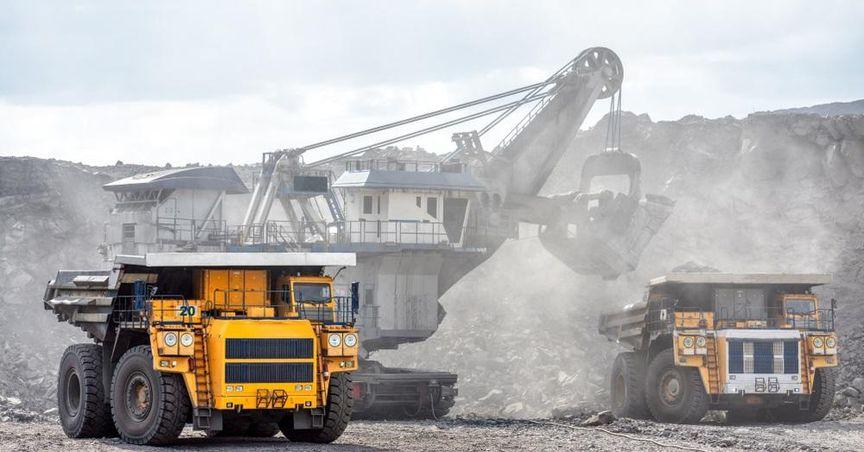
Australia’s mining sector remains one of the most powerful forces in the local market, but its strength comes with risks that can move quickly and cut deeply. BHP Group (ASX:BHP), the diversified resources giant, reflects both the scale and complexity of Australian mining exposure, where iron ore, copper, coal, regulation, environmental expectations and global demand all shape outcomes. For anyone tracking ASX 200 resource names, understanding these risks is just as important as recognising the sector’s importance to the national economy.
Mining has long been one of Australia’s defining industries. It supports exports, jobs, regional development and government revenue. Yet mining stocks rarely move in a straight line. Their performance is tied to commodity cycles, overseas demand, project execution, community relationships and the ability of management teams to allocate capital wisely through changing market conditions.
Commodity Prices Can Turn Fast
Commodity price volatility is the most obvious risk across the mining sector. Iron ore, copper, lithium, gold, coal and rare earths can all move sharply as supply and demand expectations change.
Rio Tinto (ASX:RIO), a global mining group with major Australian iron ore operations, is heavily influenced by movements in bulk commodities and industrial demand. Fortescue (ASX:FMG), an iron ore-focused miner with growing energy transition ambitions, is also closely tied to iron ore market conditions.
When commodity prices rise, miners can enjoy stronger cash generation and better market sentiment. When prices fall, earnings expectations can weaken quickly. This makes mining stocks more cyclical than many other sectors and requires careful attention to position sizing and diversification.
China Demand Still Matters
China remains a critical demand centre for Australian resources. Its property market, infrastructure activity and manufacturing conditions can influence global commodity consumption across iron ore, copper, aluminium and other industrial materials.
Australian miners are deeply exposed to this demand cycle because China has historically been a major customer for several key commodities. Even companies with diversified operations can feel the impact when Chinese industrial activity slows or policy settings change.
This risk is not limited to a single company. It affects the broader resources complex and often shapes sentiment across ASX Metal & Mining Stocks. When China demand appears strong, the sector can attract renewed attention. When concerns rise, market confidence can fade quickly.
Indigenous Relations Are Central
Indigenous relations have become a defining issue for Australian mining. The sector’s social licence depends heavily on respectful engagement with Traditional Owners, strong heritage protections and transparent land access arrangements.
The industry’s approach changed significantly after the Juukan Gorge controversy, which intensified scrutiny on cultural heritage protection and mining governance. Since then, miners have faced greater expectations around consultation, accountability and long-term community relationships.
Companies that build constructive partnerships with Indigenous communities may reduce disruption risk and strengthen operational resilience. Those that fail to manage these relationships carefully can face reputational damage, project delays and regulatory pressure.
Regulation Keeps Evolving
Mining operates within a demanding regulatory environment. Environmental approvals, land access, royalties, tax settings, emissions rules and workplace safety obligations can all influence project economics.
Regulatory frameworks can shift as governments respond to climate goals, community concerns and fiscal pressures. This means miners must stay adaptable rather than assuming today’s rules will remain unchanged.
South32 (ASX:S32), a diversified mining and metals company, operates across multiple commodities and jurisdictions, making regulatory awareness a key part of its operating environment. Companies with proactive compliance systems and constructive government relationships are generally better placed to navigate change.
Capital Allocation Can Destroy Value
Mining history contains many examples of companies overpaying for acquisitions or approving major projects at the top of commodity cycles. Capital allocation is therefore one of the most important risks in the sector.
Large mining projects require significant spending before returns are realised. If commodity prices weaken, construction costs rise or timelines slip, project economics can deteriorate. Acquisitions can also create challenges when integration proves harder than expected.
Newmont Corporation (ASX:NEM), a global gold producer, highlights how large-scale mining consolidation can bring both opportunity and execution complexity. For mining companies, disciplined spending through the cycle is often more valuable than aggressive expansion during boom conditions.
ESG Pressures Are Reshaping Mining
Environmental, social and governance expectations continue reshaping the mining sector. Decarbonisation, water use, tailings management, biodiversity protection and emissions reduction are now central topics for resource companies.
Mining remains essential for the energy transition because copper, lithium, nickel and rare earths are needed for electrification and clean technologies. However, producing those materials still carries environmental and social responsibilities.
Companies investing in cleaner operations, stronger governance and transparent reporting may be better positioned over the long term. Those that lag on ESG expectations may face higher funding costs, legal pressure or reduced market support.
Lithium Shows Cycle Risk Clearly
Lithium has become one of the clearest examples of commodity cycle risk. Strong enthusiasm around battery metals previously lifted attention across the sector, but weaker pricing later reminded markets how quickly sentiment can reverse.
This does not remove the long-term relevance of battery materials. However, it shows that thematic demand alone does not guarantee smooth outcomes. Supply growth, inventory levels, customer demand and pricing discipline all matter.
Specialist miners can deliver powerful exposure to a single commodity, but that concentration also increases risk. A diversified mining company may absorb commodity weakness more easily than a pure-play operator tied to one price cycle.
Gold Behaves Differently
Gold miners face a different set of drivers from industrial metals companies. Gold can respond to inflation expectations, currency movements, central bank demand and geopolitical uncertainty.
This makes gold exposure distinct from iron ore or copper exposure. During periods of market stress, gold may attract defensive interest, but gold miners still face operational risks, cost inflation and project execution challenges.
For market participants, gold can provide diversification within mining exposure, but it should not be viewed as risk-free. Mine quality, cost control and jurisdictional stability remain critical.
Diversification Can Reduce Concentration Risk
A practical approach to mining risk starts with diversification across commodities and company types. Exposure can include diversified majors, iron ore producers, gold miners, battery metal companies, copper developers and rare earth operators.
Diversification does not remove risk entirely, but it can reduce reliance on one commodity, one customer region or one project. It also helps balance different commodity cycles, as gold, copper, lithium and iron ore rarely move for exactly the same reasons.
Portfolio balance matters because mining stocks can experience sharp sentiment shifts. Concentrated exposure may amplify gains during strong cycles, but it can also deepen losses when conditions turn.
The China Question Will Not Fade
China’s influence on mining is likely to remain a central issue. Even as miners diversify customer bases and global demand evolves, China’s scale in steelmaking, infrastructure and manufacturing remains difficult to ignore.
This means Australian mining watchers must continue monitoring property policy, industrial activity and infrastructure spending in China. These signals can influence iron ore demand, base metal sentiment and broader resource sector confidence.
At the same time, emerging demand from India, Southeast Asia and energy transition supply chains may gradually broaden the demand base. The shift could reduce concentration over time, but it will not happen overnight.
Mining Risk Requires Active Awareness
Mining exposure is not something that should be assessed once and forgotten. Commodity markets, regulation, community expectations and project economics can change rapidly.
This makes ongoing review important. Market participants should monitor balance sheets, cost curves, production guidance, capital expenditure plans, ESG commitments and commodity demand trends.
Strong mining companies are usually those that combine quality assets with disciplined capital allocation, community trust, regulatory awareness and operational consistency. Weakness in any of these areas can become costly during difficult cycles.
A Powerful Sector With Real Risks
Mining remains one of Australia’s most important market sectors, but its rewards come with serious risks. Commodity volatility, China demand, Indigenous relations, regulation, ESG pressure and capital allocation can all shape outcomes.
The key is not to ignore mining exposure, but to understand what drives it. Australian resource companies can provide meaningful leverage to global growth and energy transition trends, yet they require careful risk management.
For those following the sector, the real test is discipline. Mining can be rewarding when conditions align, but it is rarely forgiving when risks are underestimated.
