
 AUS
AUS
 NZ
NZ
 UK
UK
 CA
CA
 USA
USA
 IND
IND






Highlights
- Rio Tinto is being assessed through shipment balance as the Australian resources market places greater weight on production reliability.
- Rail availability, mine sequencing and port coordination remain central to the quality of Pilbara iron ore delivery.
- The key debate is whether operating discipline can protect cash generation while bulk commodity demand remains uneven.
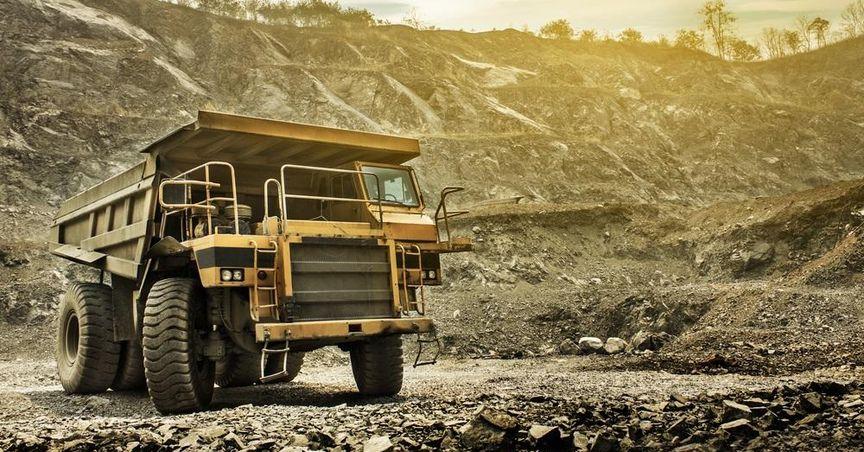
The Australian share market has entered a more selective phase, with global technology weakness, volatile oil conditions and reporting-season caution sharpening attention on operating delivery. Rio Tinto (ASX:RIO), a diversified global miner with extensive Pilbara iron ore operations, is back in focus because commodity scale alone no longer settles the market debate. As a major resources name within the ASX 20, the company is being judged on whether its mines, rail network and ports can work together consistently enough to support balanced shipments, reliable customer supply and disciplined cash generation.
Pilbara Delivery Moves Centre Stage
Rio Tintos Pilbara business depends on a vast integrated system. Ore must be extracted from multiple mines, processed to the required specification, moved across long rail corridors and loaded through export terminals. Each stage affects the next, meaning production volume at the mine does not automatically translate into dependable shipments.
For readers following Iron Ore Stocks, this distinction is important. The market may respond quickly to changes in iron ore sentiment, yet the quality of Rio Tintos operating result rests on how effectively its infrastructure converts mined material into export sales.
Shipment balance therefore provides a more complete measure than production alone. A strong mine result carries less commercial value when rail congestion, maintenance disruption or port constraints prevent the material from reaching customers on schedule.
Rail Performance Sets the Rhythm
Rail is the link between Rio Tintos inland mines and coastal export facilities. Its reliability influences inventory levels, shipment timing and the overall efficiency of the Pilbara system.
A disruption on the network can affect several operations at once. Trains may be delayed, stockpiles can build at mine sites, and ports may receive an uneven flow of material. Even when the interruption is temporary, restoring balance across a large integrated network can take time.
The company must therefore coordinate maintenance carefully while preserving enough flexibility to respond to weather, equipment issues and changing mine plans. Preventive work is essential, but poorly timed maintenance can place additional pressure on shipment schedules.
Rail performance is not simply a transport issue. It directly influences sales conversion, working capital and the credibility of production planning.
Mine Sequencing Shapes Product Quality
Iron ore is not a uniform product. Different deposits contain varying grades and material characteristics, making mine sequencing important to the quality of export blends.
Rio Tinto must coordinate output across its operations so that material arriving at ports can be blended into products that meet customer requirements. If one mine produces less than planned or delivers a different quality mix, the company may need to adjust production elsewhere.
This creates a complex operating task. The company is not merely moving more ore; it is managing the composition of that ore while balancing mine development, equipment availability and processing capacity.
Consistent sequencing can support product reliability and reduce the need for costly adjustments. Weak coordination may create stockpile imbalances or limit the volume available for particular customer specifications.
Port Coordination Completes the Chain
Ports represent the final step before iron ore reaches export customers. Their performance depends on berth availability, ship scheduling, stockyard management and the steady arrival of material from the rail network.
An efficient port system allows Rio Tinto to match vessels with the right product mix while limiting unnecessary waiting time. Disruption can create congestion and make shipment timing less predictable.
Weather remains an important operating factor in northern Western Australia. Severe conditions may affect rail movements, port access and vessel loading, requiring the company to manage safety while restoring normal activity as efficiently as possible.
The strength of the Pilbara network lies in its integration, but that same integration means pressure at one point can spread through the wider system. Reliable port execution is therefore essential to turning operational effort into completed shipments.
Commodity Caution Changes the Test
Iron ore demand remains closely connected with steel production, infrastructure activity and broader industrial conditions. When that demand becomes uncertain, operational discipline takes on greater importance.
A supportive commodity environment can make small inefficiencies easier to absorb. A more cautious setting exposes them because cost control and shipment reliability become more influential in determining cash outcomes.
Rio Tinto cannot control every movement in global demand, but it can influence the dependability of its own operations. Stable production, disciplined logistics and appropriate product quality can help the business respond more effectively when market conditions change.
This is why the current discussion is moving beyond the direction of iron ore prices. The stronger question is whether the company can maintain a reliable operating base through different parts of the commodity cycle.
Cost Control Begins With Reliability
Mining costs are affected by labour, fuel, energy, maintenance, consumables and equipment availability. Unexpected disruption can add pressure because fixed infrastructure continues to carry expense even when production or shipments slow.
Operational reliability can therefore support cost discipline. When mines, trains and ports follow a stable rhythm, equipment and workforce planning become easier. Emergency repairs and logistical adjustments may be reduced, allowing resources to be directed more efficiently.
Rio Tintos scale provides significant operating capacity, but scale does not remove the cost of complexity. A large network can produce strong outcomes when coordinated well, yet inefficiencies may become expensive when they affect several assets.
The market is likely to look for evidence that operating improvements are reducing friction across the system rather than merely shifting pressure from one part of the network to another.
Replacement Mines Carry Weight
Large iron ore operations require continued development as established deposits mature. Replacement mines are essential for sustaining production capacity and maintaining an appropriate blend of ore quality.
Bringing new deposits into the system involves mine construction, processing facilities, rail connections and workforce planning. Delays can affect production balance, while rushed development may create additional cost or operational risk.
Rio Tinto must align replacement activity with the decline of older mining areas. This requires careful sequencing so that new supply becomes available before existing output weakens materially.
The quality of these transitions matters because they can influence both shipment volume and product composition. A replacement mine is not simply an addition to the portfolio; it becomes part of the wider logistics and blending system.
Capital Discipline Shapes the Story
Pilbara operations require substantial capital to maintain mines, rail infrastructure, ports and supporting systems. Capital spending is therefore unavoidable, but its commercial value depends on the outcome it produces.
Investment in equipment renewal, automation, safety and mine development can strengthen long-term reliability. However, spending must remain connected with clear operating priorities.
Rio Tintos capital choices are likely to be assessed through whether they support dependable shipments, preserve product quality and reduce avoidable bottlenecks. Projects that improve one asset without considering the wider network may create limited value.
The stronger capital narrative is one where expenditure supports the entire production chain and contributes to more stable cash conversion.
Cash Conversion Is the Cleaner Measure
Revenue can benefit from commodity pricing, but cash generation also depends on shipment timing, operating costs, capital requirements and working capital.
A production increase does not immediately strengthen cash flow if material remains in stockpiles or logistical delays prevent sales completion. Shipment performance therefore provides an important link between mine activity and financial delivery.
Rio Tintos ability to convert production into cash becomes especially relevant when bulk commodity conditions are uncertain. Stronger operating discipline can provide greater balance-sheet flexibility, while persistent disruption may place pressure on expenditure priorities.
This is why cash conversion offers a clearer view than a single production headline. It captures whether the full operating system is functioning effectively.
Product Quality Remains Commercially Important
Steelmakers assess iron ore through characteristics such as grade, impurities and processing efficiency. Product quality can influence customer demand and the commercial terms attached to shipments.
Rio Tintos blending strategy allows material from different mines to be combined into established products. Maintaining those specifications requires close coordination across production and logistics.
If mine sequencing changes the available ore mix, the company may need to adjust blending or shipment plans. This can affect inventory management and the timing of customer deliveries.
Quality discipline therefore remains part of the Pilbara balance. Reliable volumes matter, but they must be delivered in a form that continues to meet customer requirements.
Customer Demand Adds Another Layer
Chinese steel activity remains an important influence on seaborne iron ore demand, although the broader customer base also reflects industrial conditions across Asia.
Changes in property construction, infrastructure activity and steel margins can affect purchasing behaviour. Customers may alter inventory levels, change product preferences or become more selective about ore quality.
Rio Tinto must respond without allowing short-term market shifts to disrupt long-term operating discipline. The companys role is to deliver the appropriate product mix while maintaining flexibility across its network.
Demand uncertainty makes shipment reliability more valuable rather than less. When customers become cautious, consistent suppliers may be easier to assess than operations exposed to repeated delivery disruption.
Peers Provide Context, Not the Answer
Iron ore producers are influenced by many of the same market forces, including steel demand, shipping conditions and currency movements. However, their operational profiles can differ significantly.
Rio Tintos integrated Pilbara system gives it a distinct infrastructure base, but it also creates company-specific execution challenges. A broad sector movement may say little about how effectively its trains, ports and mines are performing.
Peer behaviour can help identify whether pressure is industry-wide. The more useful analysis still comes from Rio Tintos shipment consistency, cost management and product delivery.
A stronger commodity market can temporarily hide weak execution, while a cautious market can make reliable operations more visible. That distinction is central to the current resources debate.
Reporting Season Raises Expectations
Reporting updates can provide clearer detail around shipments, production, costs, capital spending and project delivery. In a selective market, operational evidence is likely to carry greater weight than general statements about commodity demand.
For Rio Tinto, the strongest narrative would connect mine output with rail reliability and port performance. Readers will also look for clarity around replacement projects and the management of product quality.
Transparent communication around disruption matters because large mining networks face unavoidable operational challenges. Credibility is strengthened when the cause, impact and recovery process are explained clearly.
The market is not expecting an interruption-free business. It is assessing how effectively the company anticipates problems and restores operating balance.
Why Pilbara Balance Matters
The Pilbara remains central to Rio Tinto because it combines large-scale resources with established infrastructure and access to major export markets. However, the value of that position depends on coordinated execution.
Mine production, rail availability, port throughput and product blending must work as one system. Weakness in any part can affect shipment timing and cash conversion across the broader operation.
That is why rail performance and shipment balance remain in view. They offer practical evidence of whether the company is converting geological scale into dependable commercial delivery.
The Editorial Bottom Line
Rio Tinto is back under closer attention because iron ore discussions are shifting from commodity direction towards operational proof. The Pilbara provides substantial production capacity, but scale carries greater weight when the entire logistics chain performs consistently.
Shipment balance is the cleaner measure of that performance. It connects mine production with rail reliability, port execution, customer delivery and cash generation.
In a selective Australian market, Rio Tintos standing will be shaped by evidence rather than broad resources sentiment. Production may begin the story, but disciplined logistics and reliable shipments determine how convincingly it ends.
