
 AUS
AUS
 NZ
NZ
 UK
UK
 CA
CA
 USA
USA
 IND
IND




Highlights
- Fortescue pares back green hydrogen ambitions and books a writedown.
- The iron ore engine remains the group's dependable core.
- Green iron trials keep a foot in the low-carbon future.
Fortescue (ASX:FMG), the Pilbara-focused iron ore major that has staked a bold claim on green energy, has pared back its green hydrogen ambitions, shelving overseas projects and flagging a writedown tied to the retreat. The miner is recalibrating its clean-energy push toward research and selective trials, while its iron ore engine keeps generating the cash that funds the group and rewards the register.
A reset on green hydrogen
The company scrapped a pair of large green hydrogen developments and signalled a pre-tax charge linked to the decision. The retreat marks a sober reassessment of projects that once symbolised its ambition to lead a hydrogen revolution. Building green hydrogen at commercial scale has proved harder and costlier than early plans assumed, with power, water and offtake all presenting hurdles. Narrowing the focus to internal research reflects a more measured path toward the same long-term goal.
Green hydrogen depends on cheap, abundant renewable power to split water at a cost customers will accept, and that equation has proved stubborn. Securing enough clean electricity, building electrolysers at scale and lining up committed offtake have all slowed progress across the industry, while grants and subsidies have firmed up more slowly than hoped. Stepping back from flagship overseas builds acknowledges those realities while keeping the door open to revisit the technology once the economics improve.
The iron ore engine stays firm
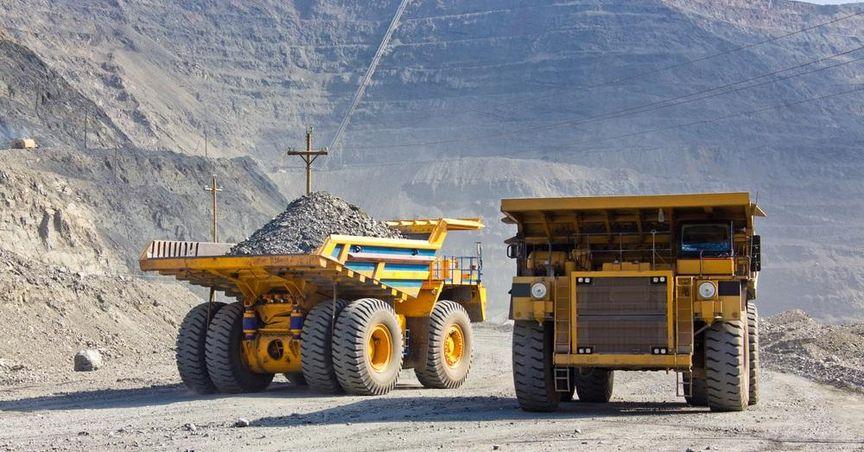
Beneath the clean-energy headlines, iron ore remains the beating heart of the business. The group ships large volumes of ore from its Pilbara operations, and that cash underwrites everything else it attempts. Steady output and a competitive cost base keep the core profitable, giving management the resources to experiment with green ventures without betting the whole business on them. The market still values the miner first on the strength of this dependable ore franchise.
The group built its position by running a lean, focused iron ore operation, and that discipline still defines it. Keeping costs low matters all the more given its ore tends to fetch a discount to the higher grades rivals ship, since the price gap between grades can widen when steel margins tighten. A firm grip on costs and volumes therefore protects the cash flow that funds both distributions and its ambitions in green energy and metals.
Managing that grade discount is a constant balancing act: when mill margins are healthy, steelmakers take more lower-grade material and the discount narrows; when margins are squeezed, they favour richer ore and it widens. The group counters this by keeping unit costs among the lowest in the industry.
Green iron and the trial approach
Rather than abandon its low-carbon vision, the group is channelling effort into green iron, using renewable power and hydrogen to produce metal with a smaller carbon footprint. Pilot facilities aim to prove the concept at modest scale before any larger commitment. This trial-first approach lets the miner learn without the vast capital that full commercial plants demand, keeping a foot in the transition while protecting the balance sheet.
Green iron also sits closer to the group's own expertise than exporting hydrogen ever did, since it builds on the ore it already mines and the customers it already serves. If the process can be proven and scaled, it opens a route to offering a premium, lower-emission product into a steel industry under growing pressure to cut its carbon. Proving the concept first, then scaling only what works, is the more disciplined path.
Readers following the iron ore majors and their energy ambitions can explore the field through coverage of ASX Iron Ore Stocks, which brings the sector's producers together for easy comparison.
Solar power and the Pilbara
Powering mining operations with renewable electricity forms another plank of the strategy, with large solar developments planned across the Pilbara to cut diesel and grid emissions. Electrifying trucks, trains and processing draws heavily on clean power, so building it out supports both the group's emissions goals and the eventual production of green metal, tying the vision back to the core mining business.
Cutting diesel from a heavy haulage fleet promises lower fuel costs and emissions once the switch is made, though the upfront spending is substantial. Solar arrays, batteries and electrified equipment all demand capital before they pay back, so the group must phase the rollout carefully. Grounding its clean-energy work in its own operations, where the benefits are tangible, offers a more disciplined route than chasing sprawling export projects.
There is a strategic logic to decarbonising the mines themselves, since a steel industry hunting for lower-emission feedstock may increasingly reward ore produced with less fuel. The Pilbara's abundant sunshine makes it a natural place to build the renewable capacity that both lowers costs and underpins the longer green-iron ambition.
Demand, supply and the ore price
The iron ore that funds all this trades in a well-supplied market. Chinese steel output drives demand, while elevated port inventories and rising seaborne supply from Australia and Brazil keep the price in check. Fortescue, carrying a higher share of lower-grade ore than some rivals, is especially sensitive to shifts in the discount applied to such material, so the strength of its core depends on both volumes and the price its ore commands.
That sensitivity cuts both ways. In a firm market with healthy mill margins, the discount can narrow and the group's economics brighten; in a soft one, the gap can widen just as prices ease, squeezing the core from two directions at once. Managing costs, volumes and grade blends through that cycle is the daily work that keeps the cash flowing, and it is that cash that funds the group's green ambitions.
The takeaway
Fortescue's retreat on green hydrogen marks a more grounded phase for a group once defined by sweeping clean-energy pledges. The writedown stings, but narrowing to research and green iron trials protects the balance sheet while keeping the long-term vision alive. Underpinning it all is the iron ore engine, dependable but exposed to a well-supplied market.
