
 AUS
AUS
 NZ
NZ
 UK
UK
 CA
CA
 USA
USA
 IND
IND






Highlights
- BHP confronts industrial action at its Pilbara iron ore operations.
- A walkout at a key port raises the risk of disrupted shipments.
- Guidance could come under pressure if the dispute drags on.
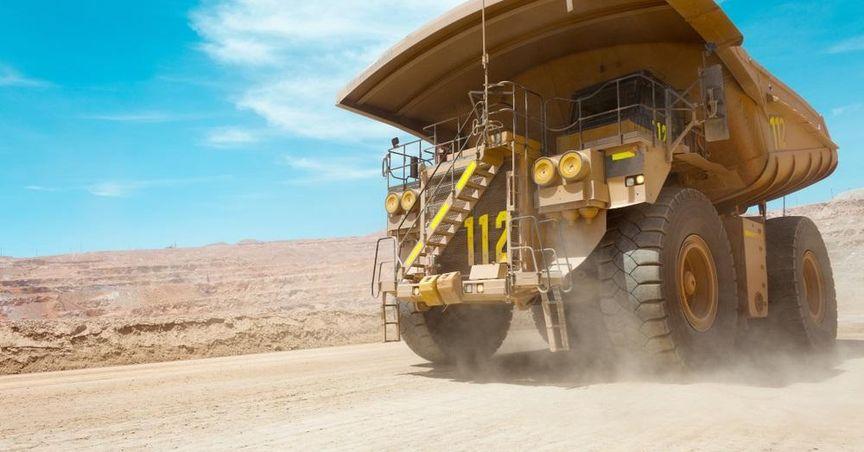
BHP Group (ASX:BHP), the largest miner on the Australian market and a giant of Pilbara iron ore, is confronting industrial action as workers at its port operations move to down tools. The market heavyweight faces the prospect of disrupted shipments if the dispute escalates, a risk that could pressure output guidance and inject fresh uncertainty into a supply chain that feeds the global steel industry.
A walkout at the port
Workers at the group's main iron ore port were set to strike, threatening the flow of ore from mine to ship. Port operations sit at the pinch point of the export chain, so disruption there carries outsized consequences. Even a short stoppage can back up trains, fill stockpiles and delay cargoes bound for customers abroad, putting a spotlight on labour relations at one of the country's most important export gateways.
The port at the heart of the dispute is among the busiest bulk terminals in the world, handling a steady procession of vessels loading ore for Asian steel mills. Its smooth running depends on a skilled workforce operating shiploaders, rail unloaders and stockyards around the clock. When those workers withdraw their labour, the whole export chain feels it, since there is little slack in a system engineered to run at full tilt.
At the core of most such disputes sit questions of pay, rosters, job security and the terms under which labour is engaged. The rhythm of fly-in, fly-out work, long shifts and remote postings can sharpen tensions when agreements come up for renewal. For the group, the challenge is to settle terms that keep the workforce onside without lifting a cost base its low-cost position depends on containing.
What is at stake for guidance
Should the action drag on, the miner could be forced to trim its output targets for the period, since shipments lost to a stoppage are hard to claw back. Guidance shapes how the market frames the year, and any downgrade tied to labour disruption would stand out against a backdrop of otherwise steady operations.
A brief stoppage might be absorbed by drawing on stockpiles and catching up once operations resume, but a prolonged dispute is harder to offset. Ore that cannot be loaded during a strike is effectively lost from the quarter, and the tightly scheduled system leaves little room to make it up later. That is why the market watches the duration closely.
There is a reputational dimension too. Reliability is prized by the steel mills that depend on a steady stream of cargoes, and a drawn-out dispute can prompt customers to question whether their supply is secure. Rivals shipping from the same region stand ready to fill any gap, so a lengthy interruption risks handing volume to competitors even after operations restart.
Why the Pilbara matters so much
The Pilbara supplies a large share of the world's seaborne iron ore, and BHP's mines and port form a core part of that system. Disruption at this scale can ripple through global steel supply chains and influence the ore price. The region's ore is prized for its consistency and grade, feeding blast furnaces across Asia calibrated to steady feedstock, and decades of investment in rail, ports and processing have made it one of the most efficient bulk export systems anywhere.
Those following the major producers and the wider sector can track developments through coverage of ASX Iron Ore Stocks, which gathers the miners tied to the steelmaking raw material for easy comparison.
The demand side stays cautious
Even as the strike threatens supply, the demand backdrop remains measured. Chinese steel output drives the bulk of iron ore consumption, and elevated port inventories in China alongside rising seaborne supply from Australia and Brazil leave the market well stocked. A short disruption at one port may cause ripples, but the broader picture of ample supply tempers how far any single event can move the price.
Well-stocked Chinese ports mean mills can ride out a brief interruption to Australian shipments by drawing on inventory rather than chasing scarce cargoes, cushioning the price impact of a strike. The episode therefore matters more for the miner's own volumes and guidance than for the global ore price, which stays anchored by the broader balance between steady output from the majors and measured demand from China's steel sector. Were inventories lean and mills hungry, a stoppage at a terminal of this weight could jolt the price sharply.
Diversification beyond iron ore
BHP is not wholly reliant on iron ore. The group also mines copper and other materials tied to electrification and industrial demand, giving it a spread across commodities. Copper in particular features in the group's growth ambitions as the energy transition lifts the need for the metal, so a disruption in one division, while unwelcome, does not define the whole business.
That breadth gives management room to lean on other divisions when one faces a setback, and to channel the cash iron ore generates into longer-dated growth in metals tied to cleaner energy. Yet the weight of the Pilbara in the earnings mix is such that events at its mines and ports still shape the market's read on the group, keeping labour peace in the region a priority out of proportion to any single terminal.
The takeaway
BHP faces a genuine test as industrial action threatens its Pilbara port and the shipments that flow through it. A prolonged dispute could pressure guidance, while a swift resolution would limit the damage. Set against a well-supplied market and cautious Chinese demand, the episode highlights how labour risk sits alongside price risk for the sector's biggest names. The iron ore corner of the market will watch how quickly the standoff clears and whether volumes emerge unscathed.
