
 AUS
AUS
 NZ
NZ
 UK
UK
 CA
CA
 USA
USA
 IND
IND






Highlights
- Rio Tinto is being assessed through shipment recovery, mine planning and port performance rather than broad market enthusiasm.
- Attention across Iron Ore Stocks is shifting towards steelmaking demand, cost discipline and supply reliability.
- The Australian market is favouring miners that can connect production scale with measurable delivery and efficient logistics.
Rio Tinto (ASX:RIO) remains a key reference point for the Australian resources market as changing steel demand, energy-cost pressure and uneven sector leadership sharpen the focus on operational delivery. Within the broader ASX 200 backdrop, the diversified miner offers a practical signal on whether Pilbara supply conditions are improving through shipment recovery, disciplined mine planning and efficient port operations. The central question is no longer simply whether iron ore demand remains present, but whether the company can move material from mine to customer consistently.
Why Rio Tinto Matters to Iron Ore Supply
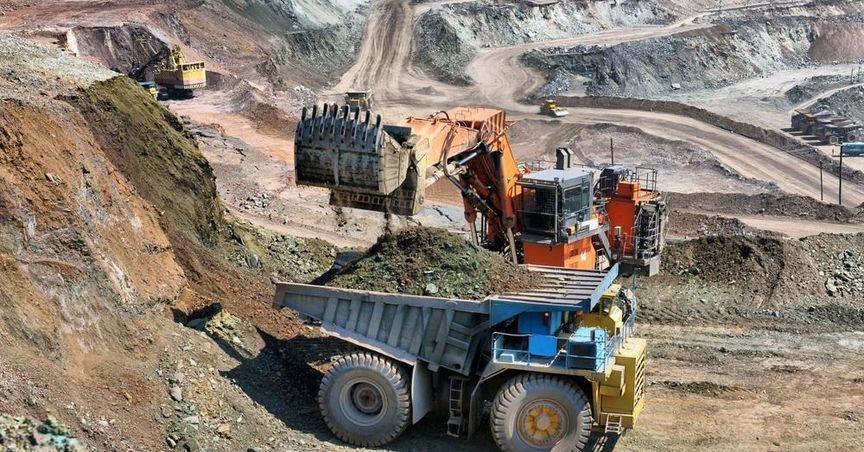
Rio Tinto operates one of the worlds largest integrated iron ore systems across Western Australias Pilbara region. Its network brings together mines, rail infrastructure, processing facilities and export terminals serving global steelmaking customers.
That scale gives the company a central position within the iron ore market, but it also creates a demanding execution challenge.
Ore must be extracted, processed, blended, transported and loaded according to carefully coordinated schedules. A disruption at a mine, rail corridor or port can affect the wider network and reduce the value of production elsewhere in the system.
This makes Rio Tinto more than a broad measure of commodity sentiment. Its operating performance provides insight into the condition of one of Australias most important export supply chains.
The company remains closely watched because shipment trends can reveal whether the Pilbara network is moving through weather disruption, maintenance demands and mine sequencing with greater stability.
Shipment Recovery Sets the Immediate Test
Shipment recovery is one of the clearest indicators of operating momentum.
Mining output alone does not guarantee that iron ore reaches customers. Product must move through the rail system and export terminals before it becomes part of the global steel supply chain.
This means shipment performance provides a more complete picture than production in isolation.
A recovery in shipments can suggest that mine output, rail availability and port operations are becoming better aligned. It can also indicate that earlier disruptions are easing and accumulated stockpiles are moving through the system.
However, recovery needs to be assessed carefully.
A temporary rise in export activity may reflect cargo timing rather than a lasting operational improvement. The stronger signal comes when shipment consistency is supported by stable mine plans, dependable infrastructure and manageable weather conditions.
For Rio Tinto, the market is likely to look beyond isolated movements and assess whether iron ore supply remains orderly across the wider operating cycle.
Mine Planning Drives Reliability
Mine planning sits at the centre of the Pilbara operating model.
Large iron ore systems depend on a sequence of pits, ore bodies and processing facilities that must be coordinated to maintain both shipment volume and product quality. As established mining areas mature, replacement mines need to enter the network without creating avoidable supply gaps.
That process requires careful timing.
New mining areas may require roads, rail links, processing infrastructure and regulatory clearances before contributing fully. Delays can affect the wider network, particularly when older operations are producing less material or entering more complex sections.
Rio Tintos supply narrative therefore depends on whether mine development remains aligned with the needs of its export system.
Strong planning can support production continuity and reduce the risk of sudden shortages. Weak sequencing can place additional pressure on existing operations and make shipment consistency harder to maintain.
That is why mine planning carries more weight than broad statements about resource scale.
Port Efficiency Completes the Chain
Ports are the final operational link before Pilbara iron ore enters international trade.
Efficient port activity requires stockyard management, vessel scheduling, loading equipment and rail deliveries to operate as one coordinated system. Congestion or equipment disruption can delay cargoes even when mining output remains steady.
For Rio Tinto, port efficiency is therefore a practical measure of whether the full supply chain is functioning properly.
Reliable loading activity can help reduce stockpiles and improve the timing of customer deliveries. It can also support better vessel utilisation by limiting waiting periods.
Port performance can still be affected by weather, maintenance and the availability of suitable ore blends. These factors make shipment outcomes more complex than a simple reading of customer demand.
The companys operating credibility strengthens when port activity reflects dependable network performance rather than temporary scheduling effects.
Steelmaking Demand Remains the External Anchor
The commercial value of Pilbara production ultimately depends on steelmaking demand.
Iron ore is a key raw material for steel production, connecting Rio Tintos Australian operations with construction, manufacturing and infrastructure activity across major economies.
Demand can shift as property conditions, industrial output and policy settings change. This creates an external variable that the company cannot fully control.
Operating discipline still matters when steel markets become uneven.
A producer with dependable supply, consistent specifications and efficient logistics may remain relevant to customers during changing market conditions. Weaker demand can nevertheless increase competition between suppliers and sharpen the focus on product quality.
Rio Tinto therefore needs to connect shipment recovery with credible customer demand rather than treating higher exports as sufficient evidence on their own.
The market is likely to assess whether cargo activity reflects stable steelmaking requirements or the temporary movement of accumulated inventory.
Product Quality Shapes Customer Relevance
Iron ore products are assessed through more than shipment volume.
Steelmakers consider grade, impurities and processing characteristics when choosing material. These factors can influence furnace efficiency, emissions and the level of additional treatment required.
Rio Tintos product mix therefore carries commercial importance alongside production scale.
Mine planning must support the correct blend of ore across the network. If product quality becomes inconsistent, customers may adjust purchasing patterns or require different commercial terms.
This makes blending and stockpile management essential parts of dependable supply.
A strong Pilbara system is one that can deliver both sufficient quantity and predictable quality. Maintaining that balance can support customer confidence and reinforce the companys role within global steel supply chains.
Diesel Costs Add Pressure
Large mining and logistics operations remain exposed to energy costs.
Heavy equipment, haulage systems and supporting services can become more expensive when diesel prices rise. Higher fuel costs may pressure unit economics even when production and shipments remain steady.
This is particularly relevant across remote mining networks where ore travels considerable distances from the pit to processing facilities and export ports.
Rio Tinto can respond through route efficiency, equipment utilisation and maintenance planning, but it cannot remove every external cost pressure.
The market is therefore likely to examine whether shipment recovery is being achieved without allowing operating expenditure to weaken the broader outcome.
Higher output can support efficiency when fixed infrastructure is used more effectively. However, the benefit becomes less convincing if additional production requires disproportionately higher spending.
Cost discipline must remain connected to supply performance.
Weather Remains a Persistent Variable
Pilbara mining operations are exposed to challenging seasonal weather.
Heavy rainfall and cyclone activity can interrupt mining, rail movements and port loading. Even after severe weather passes, the network may require inspections, repairs and stockpile adjustments before normal activity resumes.
This makes disruption a recurring operational consideration rather than an unusual event.
The important issue is how effectively the company prepares for and responds to these conditions.
Network resilience can be supported through maintenance, drainage systems, spare capacity and coordinated recovery planning. Restoring operations efficiently can reduce the effect of weather on customer deliveries.
Shipment recovery following a disruption therefore offers insight into the quality of operational preparation.
A steady rebound may indicate that the system is functioning as intended, while prolonged weakness can expose vulnerabilities across mines, rail infrastructure or ports.
Capital Discipline Supports Mine Renewal
Maintaining a major iron ore network requires sustained capital expenditure.
Rio Tinto must invest in replacement mines, processing systems, rail corridors and port equipment to preserve the capacity and reliability of its Pilbara operations. These investments are necessary because mining assets change as ore bodies are developed.
The challenge is directing capital towards projects that support continuity without creating unnecessary complexity.
Large developments can involve extended construction schedules, regulatory processes and significant logistical demands. Their value depends on whether they begin operating at the appropriate time and integrate effectively with existing infrastructure.
Capital discipline therefore becomes a measure of operational judgement.
Spending that strengthens mine sequencing, reliability or product quality can support the long-term supply base. Poorly timed expenditure can raise costs without delivering corresponding operational improvement.
Diversification Adds Context
Rio Tinto also operates across copper, aluminium and other commodities, giving it a wider portfolio than a dedicated iron ore producer.
This diversification affects how the company is assessed because different commodity markets respond to separate economic and industrial drivers.
Copper can be influenced by electrification and infrastructure needs, while aluminium may respond to manufacturing conditions and energy availability. These exposures provide broader context around capital priorities and operating performance.
However, iron ore remains central to the companys Australian market profile.
The scale of the Pilbara network means shipment performance carries considerable weight when readers assess the condition of the business.
Diversification does not reduce the importance of iron ore execution. It means capital, operational attention and project priorities must be managed across several large commodity platforms.
Supply Consistency Shapes the Debate
The market increasingly distinguishes between miners benefiting from commodity sentiment and those demonstrating measurable operating progress.
For Rio Tinto, supply consistency offers a clearer signal than broad sector enthusiasm.
Shipment recovery needs to align with mine planning, port performance, product quality and disciplined costs. Weakness in any part of that chain can affect the reliability of the broader system.
This explains why the company is assessed through practical operating details rather than iron ore prices alone.
The ability to deliver dependable tonnes into the seaborne market can influence customer confidence, asset utilisation and the credibility of longer-term production plans.
What the Market May Watch Next
The next stage of the Rio Tinto narrative is likely to be judged through a combination of operational and external signals.
Shipment consistency will remain central because it shows whether the complete supply chain is functioning. Mine replacement activity will indicate whether the network is prepared for changes across established ore bodies.
Port efficiency will also matter, particularly when cargo schedules and stockyard movements become more complex.
Outside the companys direct operations, steelmaking demand will remain an important reference point. Industrial activity and policy settings can influence how effectively Pilbara supply is absorbed.
Cost control will complete the picture.
A stronger supply outcome carries greater credibility when it is delivered through disciplined spending, reliable infrastructure and stable product quality.
Why RIO Remains a Pilbara Signal
Rio Tinto remains an important Pilbara supply signal because its network connects mines, rail systems and export ports at a scale that can influence Australias iron ore trade.
Shipment recovery may provide the most visible indication of progress, but the deeper story lies in mine sequencing, infrastructure reliability, cost control and customer relevance.
The company must continue balancing steelmaking demand with the practical realities of weather, energy costs, replacement projects and product quality.
That combination keeps the discussion grounded.
Rio Tinto does not need broad enthusiasm across the mining sector to remain relevant. Its significance comes from whether one of the worlds largest iron ore networks can deliver dependable supply while maintaining operational control. In a selective Australian market, that evidence is what keeps RIO at the centre of the Pilbara supply conversation.
