
 AUS
AUS
 NZ
NZ
 UK
UK
 CA
CA
 USA
USA
 IND
IND






Highlights
- BHP is being assessed through Pilbara scale, shipment reliability and disciplined unit costs.
- Iron ore attention is shifting towards steelmaking demand, Chinas economic signals and operational delivery.
- Capital allocation, asset productivity and cashflow resilience remain central to the mining narrative.
Australian equities are moving through a divided market as resource strength, technology activity and energy uncertainty pull sectors in different directions. Against that backdrop, BHP Group (ASX:BHP), a diversified resources company with major exposure to iron ore, copper and steelmaking coal, remains central to the mining conversation. Its influence within the ASX 20 gives the company substantial market visibility, but the sharper question is whether Pilbara scale, controlled costs and dependable exports can protect operating quality when China demand and commodity conditions remain uneven.
Pilbara Scale Sets BHP Apart
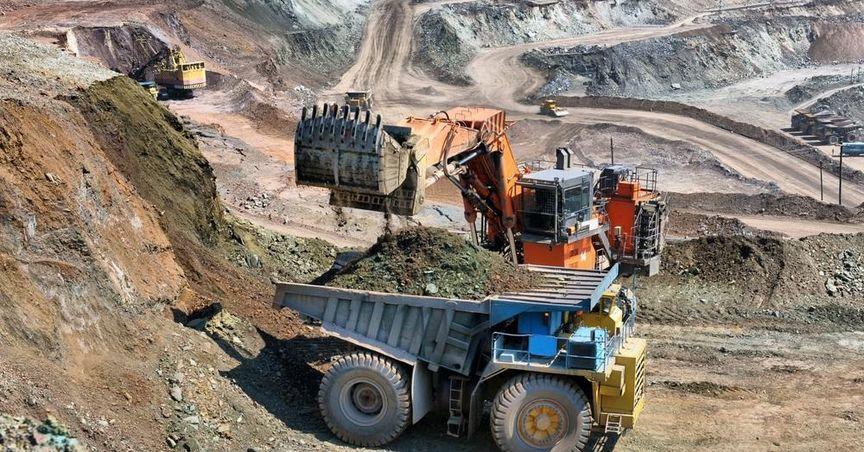
BHPs iron ore operations are built around a large and highly connected Pilbara network.
Mines, rail infrastructure and port facilities work together to move ore from Western Australia to global steel customers. This integration can support dependable production and lower operating complexity compared with smaller businesses relying on fewer assets.
Scale, however, is not valuable on its own.
The market is looking for evidence that the network continues delivering reliable volumes without allowing costs, maintenance needs or capital spending to weaken the economic benefit.
For readers following Metal & Mining Stocks, BHP offers a practical measure of how large-scale mining infrastructure performs through changing commodity cycles.
Export Reliability Carries More Weight
Iron ore demand only creates value when production reaches customers efficiently.
BHP must coordinate mine output, rail movements, stockpiles and port loading across a complex operating system. Disruption at any point can affect shipment timing and reduce the benefit of supportive commodity conditions.
Weather remains an important variable in Western Australia. Heavy rainfall and cyclone activity can interrupt mining, transport and port operations.
Maintenance planning also matters.
A dependable export profile can reinforce confidence in the quality of the Pilbara system. Repeated interruptions may increase costs and complicate customer delivery even when broader demand remains steady.
Unit Costs Define Operating Strength
Commodity prices sit outside the companys direct control, making cost discipline one of the clearest measures of mining quality.
Labour, fuel, maintenance, transport and equipment requirements all influence the cost of producing and shipping iron ore. Inflation across these areas can reduce margins even when commodity prices appear supportive.
BHPs large asset base can provide efficiency advantages, but it also requires continuing investment.
The market will assess whether the company is maintaining productivity while managing the cost of keeping mines, railways and ports operating reliably.
Stable unit costs can provide greater resilience when iron ore prices weaken. Rising costs may make financial performance more sensitive to relatively small movements in commodity conditions.
China Demand Remains the Key External Signal
China remains a central source of seaborne iron ore demand.
Steel production, property activity, infrastructure development and industrial confidence can all influence demand for Australian ore. Policy announcements may quickly affect market sentiment, but the stronger evidence comes from actual steelmaking activity.
This creates a gap between policy expectations and physical demand.
Supportive economic language may attract attention, yet iron ore conditions generally require confirmation through steel output, mill activity and inventory movements.
For BHP, the strongest demand narrative is one where Chinas policy direction is supported by consistent customer activity.
Steelmaking Demand Is Broader Than Property
Chinas property sector is important, but iron ore demand is not tied to property alone.
Infrastructure, manufacturing, machinery and transport also require steel. Government-backed construction or industrial investment can partly offset weakness in residential development.
However, the quality of demand matters.
Steel mills may adjust production when margins become compressed, environmental restrictions tighten or finished-steel inventories rise. These changes can affect raw-material purchases even when broader economic activity remains stable.
BHPs market relevance therefore comes from its ability to serve large customers consistently while managing the uncertainty surrounding steel production.
Ore Quality Shapes Customer Economics
Iron ore is not a uniform commodity.
Different grades can affect blast-furnace efficiency, emissions and the amount of processing required by steelmakers. Product quality can therefore influence demand and realised pricing.
BHPs product mix forms an important part of its commercial position.
Customers may prefer ore that supports efficient steel production and fits their blending requirements. Changes in environmental standards or steelmaking economics can also alter the relative attractiveness of different grades.
The market will continue assessing whether BHPs product quality remains aligned with the needs of major steel customers.
Operational Discipline Protects Margins
Large mining systems require careful coordination.
Mine sequencing, equipment use, workforce planning and maintenance schedules all affect output. Small inefficiencies can become significant when applied across a large production network.
BHP must therefore maintain operational discipline even when iron ore markets are favourable.
Strong prices can temporarily hide weaker productivity, but those issues become more visible when commodity conditions soften. The more durable operating story comes from consistent production and controlled expenditure across the full cycle.
That is why the market places greater weight on delivery than on short-lived commodity excitement.
Capital Spending Needs Clear Purpose
Mining operations require regular capital investment.
Existing assets need replacement equipment, infrastructure maintenance and mine development to preserve production. New projects may also be required as older mining areas mature.
For BHP, capital allocation must balance current reliability with future supply.
Spending becomes more credible when it supports lower costs, extends asset life or strengthens shipment reliability. Projects carrying unclear returns or extended timelines may reduce financial flexibility.
The companys scale provides access to several development opportunities, but it also increases the importance of prioritisation.
Cashflow Links Scale With Quality
Iron ore can generate substantial cashflow when production, costs and commodity conditions align.
That cashflow supports maintenance, development and wider balance-sheet priorities. However, financial strength depends on what remains after operating expenses and capital requirements.
BHPs Pilbara scale provides a strong revenue base, but the market will continue examining cash conversion rather than production volume alone.
Dependable cashflow can support greater flexibility through weaker commodity periods. It can also allow the business to maintain investment without relying excessively on external funding.
Diversification Adds Another Layer
BHPs operations extend beyond iron ore.
Copper and steelmaking coal add exposure to different commodity drivers, including electrification, industrial activity and global energy systems. This can reduce dependence on one market, although iron ore remains a major influence on the overall earnings profile.
Diversification becomes useful when different divisions provide balance through changing cycles.
However, each commodity business has its own operating risks, capital requirements and demand conditions. The market will therefore assess whether the broader portfolio improves resilience without weakening capital discipline.
Freight and Energy Costs Still Matter
Shipping ore to customers requires exposure to freight markets and fuel conditions.
Higher energy prices can affect mining equipment, transport networks and maritime logistics. Global tension may also influence shipping routes and insurance costs.
BHPs integrated logistics network can help manage some of these pressures, but it cannot remove them entirely.
The market will watch whether cost changes are being absorbed through efficiency, reflected in commercial arrangements or passed through the wider supply chain.
Transition Demand Supports a Wider Resources Story
Global electrification is increasing attention on metals needed for infrastructure, energy networks and industrial equipment.
While iron ore remains linked to traditional steelmaking, steel itself continues to play an essential role in the energy transition. Wind farms, transmission networks, transport systems and construction all require substantial amounts of steel.
This gives BHP exposure to both established industrial demand and changing infrastructure priorities.
However, transition language still needs to be supported by actual project activity and disciplined production. Broad structural demand does not remove the impact of economic cycles.
What Keeps BHP in Focus?
BHP remains central to iron ore attention because it connects scale with operational evidence.
Pilbara production provides a direct reading of mining efficiency. Unit costs reveal how well the company manages inflation and maintenance. Export performance shows whether the integrated network is delivering consistently.
China demand and steel production add the external market test.
Together, these measures provide a stronger framework than commodity prices alone.
What Could Strengthen the Narrative?
Several signals could reinforce BHPs operating case.
Stable production and shipments would support confidence in the Pilbara network. Controlled unit costs could improve resilience when commodity markets become less supportive.
Consistent steel demand and disciplined capital spending would add further clarity.
The strongest outcome would show that scale, reliability and financial discipline are working together rather than depending on a single favourable market condition.
What Could Complicate the Debate?
BHP remains exposed to several pressures.
Softer steel demand could weaken iron ore conditions, while higher costs may reduce margins. Weather disruption, equipment issues or transport constraints could affect shipments.
Large development commitments may also place greater demands on capital.
These risks do not remove BHPs importance within Australian resources. They explain why the market continues demanding clear operating proof behind the companys scale.
Market Takeaway
BHP is leading iron ore attention because its Pilbara operations provide one of the clearest readings of global steelmaking demand and Australian mining execution.
Scale offers important advantages, but those advantages depend on controlled costs, dependable exports and disciplined capital allocation. China remains a central demand signal, though policy expectations need confirmation through physical steel activity.
The stronger BHP narrative is therefore built around delivery rather than commodity enthusiasm.
Production reliability, asset productivity, ore quality and cashflow will remain the clearest measures of whether Pilbara scale continues translating into durable operating strength.
