
 AUS
AUS
 NZ
NZ
 UK
UK
 CA
CA
 USA
USA
 IND
IND




Highlights
- Fortescue is being assessed through Pilbara efficiency as iron ore conditions remain sensitive to Chinese steel demand.
- Cost control, product quality and cash conversion are becoming more important than broad commodity enthusiasm.
- The wider Iron Ore Stocks discussion is increasingly centred on operating resilience and disciplined capital use.
FMG is testing the iron ore cost curve as Pilbara efficiency, Chinese steel demand, cash conversion and capital discipline shape confidence in the companys operating resilience and resource strategy.
Australian shares are entering the session with a cautious tone as oil volatility, resilient banks, softer technology trade and selective consumer strength pull market attention in different directions. Against that backdrop, Fortescue (ASX:FMG), a major Pilbara iron ore producer with expanding energy and decarbonisation ambitions, has become a fresh test of the industry cost curve. Its position within the ASX 20 gives the company considerable market influence, but the sharper debate concerns whether mine efficiency, Chinese steel demand and disciplined spending can protect business quality through a more selective commodity cycle.
Pilbara Efficiency Moves Centre Stage
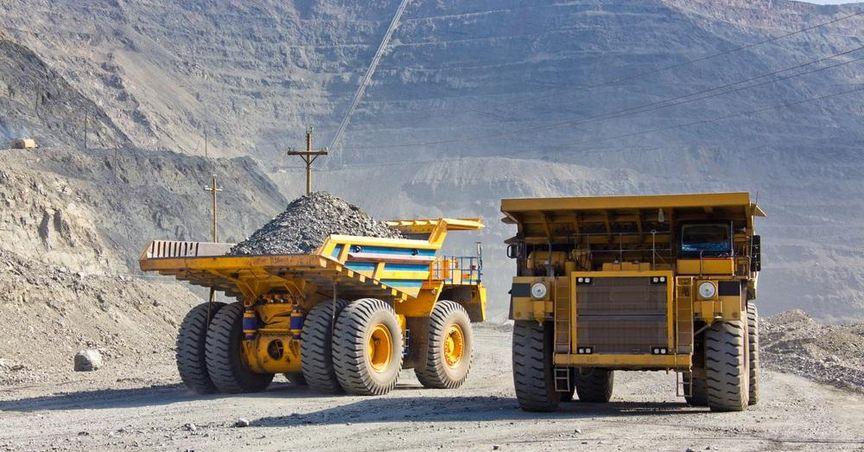
Fortescues operating story begins in the Pilbara, where mine performance, rail reliability and port activity determine how efficiently iron ore reaches export markets.
Large production volumes alone do not settle the market debate. The company must also manage mining conditions, equipment availability, freight requirements and processing costs across an extensive supply network.
When each part of that system operates efficiently, the business can protect margins and preserve flexibility. When disruptions emerge, costs may rise quickly and place pressure on cash generation.
This is why Pilbara efficiency has become the immediate focus. The market is looking for evidence that Fortescue can maintain consistent delivery while commodity conditions remain uncertain.
The Cost Curve Is the Real Test
The iron ore cost curve compares producers according to the expense involved in supplying material to the market.
Lower-cost operators generally have greater resilience when commodity prices weaken because their operations can continue generating cash under more demanding conditions. Higher-cost producers face greater pressure as margins narrow.
Fortescue has long been associated with large-scale Pilbara operations, but maintaining cost competitiveness requires continuous attention. Fuel, labour, equipment, logistics and mine development can all influence operating expenses.
The company therefore needs to demonstrate that scale continues translating into efficiency rather than complexity.
Cost control is not simply about cutting expenditure. It involves maintaining asset reliability, sustaining production and ensuring that short-term savings do not weaken future operating performance.
China Steel Demand Shapes the External Setting
Chinese steel activity remains one of the most important external influences on Australian iron ore companies.
Demand is linked to construction, manufacturing, infrastructure and wider industrial production. When steel mills operate strongly, iron ore consumption can remain supportive. When activity softens, the market may become more sensitive to inventory levels and supply growth.
Fortescue cannot control Chinese economic conditions, but it can control how efficiently it responds.
Stable operations, careful inventory management and disciplined shipping can make changing demand easier to navigate. A less efficient business would be more exposed to every movement in the external market.
That is why the companys internal cost base matters as much as the broader demand narrative.
Product Quality Adds Another Layer
Iron ore is not a uniform commodity.
Different grades and impurity levels can influence how steelmakers assess material, particularly when environmental requirements, mill efficiency and production economics become more important.
Fortescues product mix therefore forms part of the cost-curve discussion. The realised value of its shipments can depend on customer demand for specific grades and the commercial discounts attached to lower-grade material.
A strong operating performance must account for both production cost and product value. Lower mining expenses provide one advantage, but the quality and marketability of the final material also influence cash margins.
This makes processing efficiency and product strategy important parts of the companys broader execution test.
Cash Conversion Separates Scale From Quality
Iron ore businesses can generate substantial revenue during supportive commodity cycles, but cash conversion provides a clearer measure of operating quality.
Production volumes must translate into shipments. Shipments must produce revenue, and revenue must flow through the business after operating costs, sustaining expenditure and working-capital requirements.
For Fortescue, reliable cash conversion supports several priorities. It provides flexibility to maintain Pilbara assets, manage financial obligations and fund carefully selected development work.
Weak conversion would make the business more dependent on favourable iron ore conditions. Stronger conversion can provide resilience even when external sentiment becomes cautious.
The market is therefore paying close attention to how effectively operational scale becomes usable cash.
Energy Ambitions Raise the Discipline Bar
Fortescues wider energy and decarbonisation ambitions add another dimension to the companys financial story.
The strategic rationale is connected to reducing emissions, developing cleaner industrial systems and building capability beyond traditional iron ore operations. However, these ambitions require capital and careful sequencing.
The market is likely to distinguish between projects that strengthen the core business and spending that creates uncertainty around financial discipline.
This does not mean the company must avoid long-term development. It means every major commitment needs a clear relationship with strategic value, operational capability and balance-sheet capacity.
When commodity markets become less predictable, capital discipline carries even greater weight.
Balance-Sheet Flexibility Matters
A strong balance sheet allows a mining company to manage commodity volatility without allowing short-term pressure to dictate every decision.
Iron ore prices can respond quickly to Chinese demand, supply changes, freight markets and broader economic sentiment. Financial flexibility helps a producer continue maintaining assets and planning future operations through those fluctuations.
For Fortescue, balance-sheet discipline also shapes how confidently the company can manage both its core mining operations and its broader energy agenda.
The central question is whether spending remains aligned with cash generation. A disciplined approach can preserve options, while an overly stretched position may reduce flexibility when market conditions change.
Sector Rotation Keeps FMG Relevant
The Australian share market continues rotating between banks, energy, healthcare, technology and resources.
Oil-related uncertainty can draw attention towards energy companies. Defensive sentiment can support healthcare and financial names, while commodity signals can quickly bring large miners back into focus.
Fortescue remains relevant because its operating performance connects several major themes at once: Chinese industrial demand, Australian export strength, mining costs and capital allocation.
The company does not need the entire resources sector to strengthen for its story to matter. Its own efficiency and cash generation can provide a clearer signal than broad market direction.
Execution Is the Dividing Line
Execution brings each part of the Fortescue story together.
Mining operations must remain dependable. Rail and port systems must move material efficiently. Product quality must align with customer requirements, and costs must be managed without weakening long-term reliability.
Capital allocation must also remain connected to operating performance.
A strong iron ore price can support earnings, but it cannot permanently offset inefficient operations. Likewise, a weaker market does not automatically undermine a company that maintains a competitive cost position and a disciplined balance sheet.
This is why the cost curve remains such a useful lens. It shows whether the business can manage the factors within its control while external conditions continue changing.
What Keeps Fortescue on the Radar?
Fortescue remains in focus because it offers a practical test of resilience across the iron ore sector.
Pilbara efficiency shows whether the operating base is performing reliably. Chinese steel demand provides the main external signal. Cost control indicates how much pressure the company can absorb, while cash conversion and balance-sheet discipline reveal the quality of the wider business.
Together, these elements provide a more useful framework than simply describing iron ore sentiment as strong or weak.
The market is increasingly demanding evidence that resource companies can protect margins, manage spending and maintain operational consistency through changing conditions.
Fortescues position on the cost curve therefore matters beyond a single trading session. It helps explain whether scale, infrastructure and disciplined execution are giving the company enough resilience to manage an uncertain commodity environment.
The central issue is not whether every external factor moves favourably. It is whether Fortescue can keep its Pilbara system efficient, convert production into cash and maintain a coherent approach to capital while Chinese steel demand continues shaping the sector.
