
 AUS
AUS
 NZ
NZ
 UK
UK
 CA
CA
 USA
USA
 IND
IND






Highlights
- Fortescue is being assessed through iron ore exposure, steelmaking demand and product quality rather than broad market optimism.
- Attention across iron ore companies is shifting towards grade discounts, customer margins and operating discipline.
- The Australian market is favouring companies that can explain cost control, capital allocation and shipment quality without relying on hype.
Fortescue remains tied to steel demand as markets assess grade discounts, mill margins, China activity, shipment reliability, operating costs and disciplined capital allocation across Australian iron ore stocks.
Australian equities are moving through a complicated session as stronger oil prices, escalating Middle East tensions and mixed corporate updates challenge market confidence. Fortescue (ASX:FMG) remains firmly in focus because its earnings profile is closely linked to iron ore demand, steel production and conditions across major Asian markets. As a prominent resources constituent of the ASX 200, the Pilbara producer gives the market a direct lens on whether steelmaking demand can withstand margin pressure, product discounts and a more selective global growth backdrop.
Steel Demand Returns to Centre Stage
Fortescues market relevance begins with its substantial exposure to the iron ore cycle.
Iron ore is a key raw material used in steel production, which means the companys operating outlook is closely connected to construction activity, manufacturing demand, infrastructure spending and industrial confidence.
When steelmakers are operating comfortably, demand for iron ore can remain resilient across different product grades. When steel margins become compressed, purchasing decisions tend to become more selective.
That distinction is particularly important for Fortescue because customers may compare the cost, quality and processing requirements of different iron ore products.
For readers following Iron Ore Stocks, the central question is not simply whether iron ore remains in demand. It is whether the quality of that demand supports dependable pricing, shipment volumes and operating cashflow.
Why Steel Margins Matter
Steel margins influence how much flexibility mills have when selecting raw materials.
When profitability across the steel industry is strong, mills may be more willing to use a wider range of ore grades. They can focus on production levels, furnace efficiency and the availability of feedstock.
When margins narrow, purchasing teams may become more cost-conscious. They may favour products that reduce processing requirements, improve furnace productivity or support tighter emissions standards.
This can place greater attention on product quality and the discount applied to lower-grade material.
For Fortescue, steel margins therefore matter beyond the headline iron ore price. They influence customer behaviour, the relative appeal of different products and the commercial terms attached to shipments.
The market is watching whether demand conditions remain broad enough to support the companys product mix without creating persistent pressure on realised value.
Grade Discounts Become a Crucial Signal
Iron ore does not trade as a single uniform product.
Different grades contain varying levels of iron and impurities, and these characteristics can affect how efficiently steelmakers use the material.
Higher-grade ore may support stronger furnace productivity and lower emissions intensity, while lower-grade products can require additional processing or blending.
Grade discounts reflect the difference in value between these product categories.
For Fortescue, the size and consistency of those discounts can influence the connection between benchmark iron ore conditions and the revenue ultimately received from customers.
A supportive commodity backdrop may attract attention, but the quality of the companys commercial outcome depends on more than the headline market price.
The market therefore looks closely at whether product discounts remain manageable and whether customer demand supports the companys broader shipment strategy.
Iron Ore Leverage Cuts Both Ways
Fortescues concentrated exposure to iron ore makes it a clear barometer of the sector.
When steel demand is firm and commodity conditions are supportive, that exposure can provide a strong connection between operating performance and the broader resources cycle.
However, concentrated exposure also means changes in steel production, customer profitability or trade conditions can have a more visible impact on the business narrative.
This is why the company is often assessed differently from diversified miners with larger earnings contributions from copper, aluminium, coal or other commodities.
Fortescue provides a more direct reading of the iron ore market.
That direct exposure can make the company highly relevant when Chinas industrial activity, property conditions and infrastructure spending return to focus.
It also means the market is less willing to overlook weaker steel margins or widening grade discounts simply because resources sentiment appears constructive.
Cost Discipline Carries Greater Weight
Operational cost control remains one of the clearest areas through which a mining company can influence its own performance.
Commodity prices and customer demand are shaped by external forces, but production efficiency, logistics, maintenance and capital management sit more directly within the operating framework.
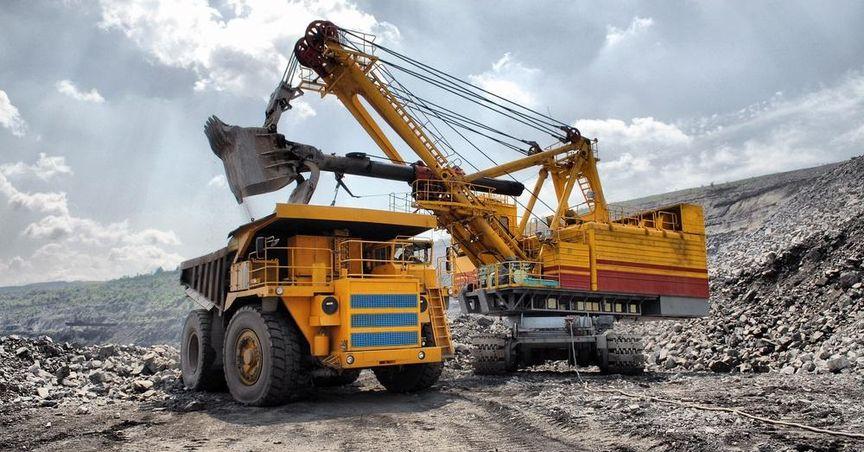
Fortescues Pilbara network depends on mines, rail systems, processing facilities and port infrastructure working together efficiently.
Disruptions across any part of that chain can affect shipment timing and operating costs.
The current market backdrop is placing more emphasis on how iron ore companies manage these variables. Strong sector sentiment is no longer enough to support a convincing narrative when cost pressures are rising or capital spending lacks clarity.
For Fortescue, disciplined operations provide an important buffer when grade discounts or steel demand become less supportive.
Pilbara Scale Remains Important
Scale is one of Fortescues defining characteristics.
Its Pilbara operations give the company exposure to established mining districts, export infrastructure and long-standing customer relationships.
Large-scale operations can support efficiency, logistics coordination and consistent supply, but scale must still translate into dependable execution.
The market is therefore examining whether production systems remain aligned with customer needs and whether shipment quality supports the companys commercial position.
Scale becomes most valuable when it is combined with low-cost delivery, reliable infrastructure and a clear understanding of the end market.
Without those elements, production volume alone may not resolve concerns around product discounts or customer margins.
China Remains the Key Demand Lens
China continues to shape the global steel and iron ore market through its enormous industrial base.
Construction activity, property development, infrastructure programs and manufacturing output can all influence steel production and raw material demand.
However, the relationship is not always straightforward.
Steel output may remain elevated even when profitability is uneven. Infrastructure activity may support selected demand while property weakness limits broader momentum. Policy intervention can also influence production schedules, environmental restrictions and credit conditions.
For Fortescue, this means China demand should be assessed through several operating signals rather than one broad economic headline.
Steel mill profitability, port inventories, construction activity and policy settings can provide a more complete picture of demand quality.
The companys exposure is therefore linked not merely to how much steel is produced, but to whether steelmakers can operate profitably enough to sustain disciplined raw material purchasing.
Energy Costs Add Another Complication
Higher oil prices can influence mining operations through fuel, freight and broader inflationary pressures.
Iron ore companies operate large transport networks and energy-intensive production systems, making cost control especially important when global energy markets become volatile.
Rising energy costs can also influence customer industries, including steelmaking and construction.
This creates a more complex backdrop for iron ore producers. Stronger commodity sentiment in one part of the market may be offset by higher operating expenses or weaker downstream margins elsewhere.
Fortescues challenge is to show that its operating framework can absorb external cost pressures without weakening the clarity of its broader iron ore story.
This is another reason the market is focusing on execution rather than broad enthusiasm.
Green Energy Ambitions Face a Discipline Test
Fortescues ambitions outside traditional iron ore operations add another layer to the market assessment.
Decarbonisation and green energy initiatives reflect an effort to participate in the shift towards lower-emissions industrial systems.
These themes are strategically relevant, particularly as mining customers, governments and capital providers place greater emphasis on emissions management.
However, ambitious projects also require careful capital allocation.
The market is increasingly asking whether expenditure is being directed towards projects with clear strategic purpose, manageable risk and a credible connection to the companys operating strengths.
For Fortescue, the challenge is to balance long-term energy ambitions with the financial discipline expected from a large iron ore producer.
The cleaner the capital framework, the easier it becomes to understand how new initiatives fit alongside the established mining business.
The Market Wants Measurable Evidence
The Australian share market is currently distinguishing between companies linked to attractive themes and companies producing observable operating progress.
Iron ore remains central to Australias export economy, but sector relevance alone does not remove the need for commercial evidence.
For Fortescue, that evidence includes reliable shipments, controlled costs, manageable product discounts and sustained customer demand.
Clear explanations of production conditions, customer behaviour and capital priorities can strengthen credibility.
Vague references to sector strength are less persuasive when steel margins, geopolitical risk and energy costs are creating a more demanding environment.
What Could Shape the Next Phase?
The next phase of Fortescues market narrative is likely to be driven by the relationship between steel demand, product quality and cost discipline.
Grade discounts will remain relevant because they show how customers value the companys ore relative to alternative products.
Steel margins will matter because they influence purchasing flexibility and the willingness of mills to absorb processing costs.
Shipment reliability and operational efficiency will also remain central. A company can benefit from supportive commodity conditions only when it can move product consistently through mines, rail networks and ports.
Capital allocation provides the final piece of the picture.
The market will continue assessing whether spending across mining operations and energy initiatives supports financial flexibility and long-term strategic clarity.
The Broader Iron Ore Takeaway
Fortescue is tracking steel demand concerns because its business offers a direct reading of the iron ore cycle. The companys exposure brings together commodity demand, product quality, customer profitability and operational efficiency.
Steelmaking demand is important, but it becomes more meaningful when examined alongside mill margins and grade discounts. Likewise, production scale matters most when it is supported by dependable logistics and disciplined costs.
The broader sector lesson is that iron ore companies cannot be assessed solely through commodity sentiment. A stronger market narrative requires evidence that customer demand, product value and capital management remain aligned.
For Fortescue, that alignment will continue to shape how the company is viewed as Australian equities navigate resource strength, oil uncertainty and a more selective approach to corporate execution.
