
 AUS
AUS
 NZ
NZ
 UK
UK
 CA
CA
 USA
USA
 IND
IND




Highlights
- Rio Tinto is adapting to a changing iron ore landscape as major West African supply enters the seaborne market.
- New production from Simandou is challenging the long-standing dominance of Australian and Brazilian exporters.
- Scale, operational efficiency and diversified earnings remain key strengths for the global mining major.
Australia's resources sector is entering a defining chapter as fresh iron ore supply begins reshaping global trade flows. Among the companies attracting close attention is Rio Tinto (ASX:RIO), one of the world's largest diversified miners and a leading name in Australia's <a href="https://kalkinemedia.com/au/stocks/metal-and-mining">ASX Metal & Mining Stocks</a> category. As one of the heavyweight constituents of the ASX 200, Rio Tinto sits at the centre of a changing competitive landscape where new West African production is challenging the long-established balance of global iron ore supply. The way established producers respond could influence the broader Australian mining sector for years to come.
A New Iron Ore Chapter Begins
For many years, Australia's Pilbara region and Brazil have dominated global seaborne iron ore stocks exports. Their extensive infrastructure, reliable logistics and large-scale production created a relatively stable supply structure that shaped pricing and trade patterns across international steel markets.
That landscape is now evolving.
The gradual ramp-up of the Simandou project in West Africa introduces a significant new source of high-quality iron ore into global markets. As additional cargoes begin reaching customers, buyers will have greater sourcing options, gradually reducing the concentration that has long characterised the seaborne iron ore trade.
Rather than representing a temporary shift, the development signals a broader structural change that could influence industry dynamics for many years.
Fresh Supply Brings a New Competitive Dynamic
Every major addition to global commodity supply changes competitive behaviour.
As more iron ore enters international markets, producers are increasingly focused on maintaining operational discipline rather than simply expanding output. A larger supply base naturally creates greater competition among exporters, particularly during periods when steel demand grows more slowly.
For established producers such as Rio Tinto, maintaining efficiency becomes increasingly important as the market adjusts to broader supply diversity.
Why Low-Cost Operations Matter More Than Ever
One of Rio Tinto's greatest competitive strengths remains its highly efficient Pilbara operations.
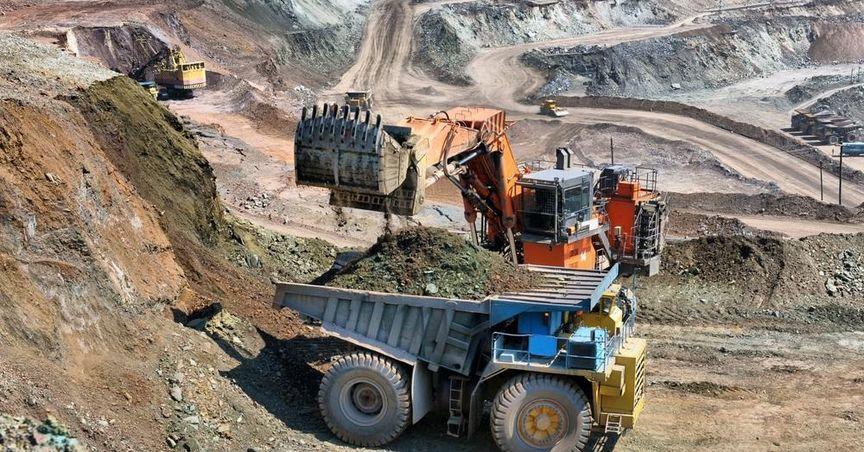
Over many decades, substantial investment in rail networks, ports, automation and integrated logistics has created one of the world's lowest-cost iron ore systems. Those structural advantages become particularly valuable whenever market conditions soften.
Efficient operations allow large producers to continue generating healthy cash flows while higher-cost operations experience greater pressure.
Instead of relying solely on production growth, the focus increasingly shifts towards disciplined cost management, operational reliability and long-term sustainability.
China Remains the Key Demand Driver
While supply is changing rapidly, demand remains equally important.
China continues to dominate global iron ore consumption through its vast steel industry, making its construction activity, manufacturing output and infrastructure spending central to the outlook for seaborne iron ore.
Import requirements, inventory management and steel production trends all influence how efficiently new supply is absorbed into international markets.
As West African exports gradually increase, the interaction between expanding supply and Chinese steel demand will remain one of the defining themes for the global mining industry.
Diversification Gives Rio Tinto Added Strength
Although iron ore contributes significantly to Rio Tinto's earnings profile, the company is far more than a single-commodity producer.
Its operations span copper, aluminium, critical minerals and other industrial commodities that support earnings across different market cycles.
This diversified portfolio provides additional resilience whenever individual commodity markets experience changing conditions. Strong performance across multiple resource segments can help offset periods of softer iron ore pricing, creating a more balanced earnings profile than businesses focused solely on one commodity.
That broad exposure also reinforces Rio Tinto's position as one of Australia's largest diversified mining companies.
Operational Excellence Becomes the Competitive Advantage
As competition increases, operational excellence becomes even more valuable.
Automation, advanced haulage systems, efficient processing facilities and highly integrated transport infrastructure all contribute to lower production costs and improved productivity.
These long-term investments are not always visible to the broader market, yet they form the foundation of sustainable mining operations.
Rather than competing primarily through expansion, established producers increasingly compete through efficiency, reliability and consistent delivery.
That operational discipline has become one of the defining characteristics separating global mining leaders from higher-cost competitors.
Iron Ore Quality Is Becoming Increasingly Important
Another factor reshaping the industry extends beyond production volumes alone.
Steel manufacturers are placing greater emphasis on higher-grade iron ore as they pursue more efficient production processes and seek to lower emissions throughout steelmaking.
Higher-grade material generally supports improved blast furnace performance while reducing the amount of energy required during production.
As environmental considerations continue influencing global manufacturing, ore quality is becoming an increasingly important differentiator alongside production costs.
Producers capable of supplying premium-grade material may benefit from changing customer preferences as steelmakers continue modernising their operations.
Capital Discipline Will Shape the Next Phase
Large mining companies have experienced numerous commodity cycles over several decades, reinforcing the importance of disciplined capital allocation.
Maintaining strong balance sheets, prioritising high-return projects and carefully managing expenditure remain central themes during periods of changing market conditions.
Rather than pursuing expansion simply for scale, established miners increasingly focus on projects capable of delivering sustainable long-term value while maintaining financial flexibility.
This measured approach helps strengthen resilience across changing commodity cycles while supporting continued investment across diversified operations.
The Traditional Iron Ore Landscape Is Broadening
The emergence of West African exports represents more than the arrival of additional tonnes.
It introduces another major production region into an industry historically dominated by Australia and Brazil, creating a more geographically diversified global supply chain.
For established producers, adapting successfully will depend on maintaining operational leadership while continuing to deliver consistent product quality, efficient logistics and disciplined capital management.
Competition is becoming broader rather than necessarily more intense, encouraging producers to strengthen the advantages that have historically underpinned their market positions.
What Lies Ahead for Rio Tinto
The global iron ore industry is entering an important transition where expanding supply, evolving customer requirements and changing trade flows are gradually reshaping market dynamics.
Rio Tinto remains well positioned through its large-scale Pilbara operations, diversified commodity portfolio and long-established operational expertise. However, the arrival of substantial new West African production ensures the competitive landscape will continue evolving.
As global steel demand adjusts alongside growing supply, operational efficiency, capital discipline and product quality are expected to remain the defining characteristics that separate industry leaders from the rest of the market.
