
 AUS
AUS
 NZ
NZ
 UK
UK
 CA
CA
 USA
USA
 IND
IND






Highlights
- ASX Iron Ore Stocks are influenced by China steel demand, export activity and Pilbara operating advantages.
- Fortescue, Mineral Resources and Champion Iron highlight different business structures within the sector
- Shipment discipline remains a useful lens for understanding company updates and operational performance.
ASX iron ore stocks remain a key part of the Australian market as shipment activity, export demand and iron ore dividends continue shaping sector attention.
The iron ore sector remains one of the most significant parts of the Australian resources market, with major participants represented throughout ASX 200, ASX 100, ASX 50 and All Ordinaries. Iron ore producers contribute substantially to export activity and remain closely connected to steel production, industrial demand and global commodity trade. As the Australian market becomes increasingly selective, attention is shifting toward shipment volumes, operational efficiency, cash generation and dividend frameworks rather than broad commodity narratives alone.
Fortescue (ASX:FMG), Mineral Resources (ASX:MIN), Champion Iron (ASX:CIA), Mount Gibson Iron (ASX:MGX), BHP Group (ASX:BHP) and Rio Tinto (ASX:RIO) each provide different forms of exposure to the iron ore sector. Large diversified miners operate alongside more focused producers, creating varied operating models, asset portfolios and market exposures. These differences have elevated the importance of iron ore dividends as a practical framework for understanding how production volumes, operating performance and shareholder distributions interact within the sector.
Why Iron Ore Dividends Have Become A Key Market Theme
Iron ore companies operate within a commodity environment influenced by steel production activity, export demand, freight markets and supply conditions. While production volumes remain important, dividend frameworks often attract equal attention because they connect operational performance with cash generation.
Dividend distributions are influenced by several operational factors. Shipment volumes, production efficiency, processing performance and cost management all contribute to cash flow outcomes. When production targets are met and export activity remains stable, companies often have greater flexibility regarding capital allocation decisions.
The iron ore sector is unique because production scale frequently influences financial outcomes. Large producers can benefit from established infrastructure, integrated logistics networks and export facilities. Smaller operators may focus more closely on specific deposits, regional assets or niche market opportunities. Despite these differences, operational discipline remains important across all segments of the sector.
China steel demand continues to occupy a central position within the iron ore narrative. Steel production activity influences demand for iron ore, which in turn affects shipment activity throughout the Australian mining sector. Changes in construction activity, infrastructure development and manufacturing output can influence purchasing patterns across global commodity markets.
Pilbara operations remain particularly important because the region hosts some of Australia's largest iron ore assets. Established infrastructure networks, port facilities and export corridors support efficient movement of material from mine sites to international markets. Operational efficiency within these networks often shapes shipment outcomes and production consistency.
For readers monitoring the broader ASX 300, iron ore companies provide insight into how commodity demand interacts with export activity and corporate cash generation. The sector frequently reflects broader themes surrounding global industrial activity, resource demand and infrastructure development, making it one of the most closely observed segments of the Australian market.
Shipment Volumes Continue To Shape Sector Performance
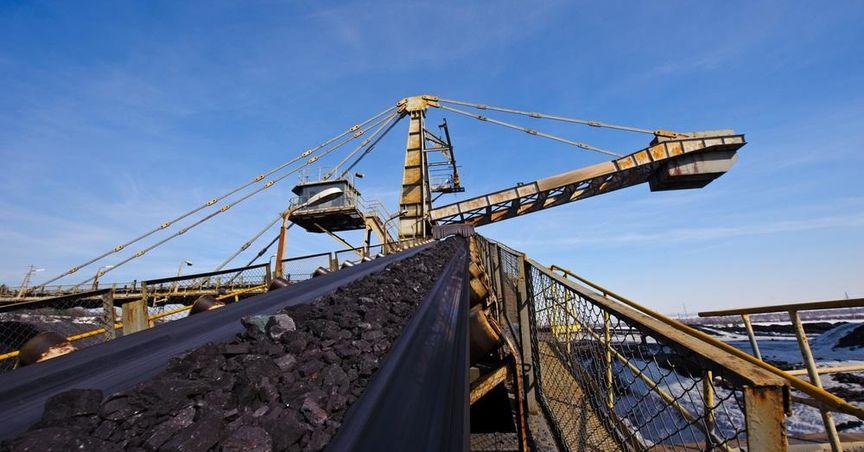
Production volumes remain one of the most important indicators within the iron ore sector. Shipment activity provides a direct measure of how effectively companies are extracting, processing and transporting material to customers. Consistent shipment performance often reflects operational stability, infrastructure reliability and disciplined project execution.
Rail networks, processing facilities and export terminals all play important roles in supporting shipment activity. Mining operations rely on integrated logistics systems to move material efficiently from production sites to overseas markets. Disruptions in any part of the chain can affect operational outcomes and influence market attention.
Weather conditions can also affect production and shipment schedules. Mining regions may experience operational interruptions related to seasonal conditions, transport constraints or infrastructure maintenance. As a result, shipment updates often provide useful context regarding the operational health of a mining business.
Mineral quality remains another important factor. Different grades of iron ore can serve different customer requirements and steelmaking processes. Producers with access to higher-grade material may operate within different commercial environments compared with producers focused on alternative product specifications.
Infrastructure investment also contributes to shipment performance. Rail expansions, port upgrades and processing improvements can influence operational efficiency. These investments often support production consistency while improving the ability to move material through the supply chain.
Market participants frequently examine shipment activity because it provides a practical measure of operating performance. Production guidance, shipment updates and export activity help explain how mining assets are performing within broader market conditions. While commodity market headlines may attract attention, shipment discipline often provides a clearer view of operational execution.
The iron ore sector also intersects with themes followed by readers interested in ASX dividend stocks. Cash generation and distribution frameworks remain closely linked to production performance, making shipment activity an important component of the broader sector discussion.
Different Business Models Across Iron Ore Producers
Although iron ore companies are grouped within the same sector, business models can vary significantly. Diversified mining groups often combine exposure to multiple commodities, while focused producers rely more heavily on iron ore operations. These differences influence operational priorities, asset allocation and financial outcomes.
Large diversified miners generally benefit from multiple revenue streams. Exposure to commodities beyond iron ore can provide broader earnings diversification and operational flexibility. Production outcomes across one commodity may be balanced by performance in another segment of the business.
Pure-play iron ore producers often maintain a stronger connection to shipment activity and export demand. Their operational performance may be more directly linked to mine productivity, logistics efficiency and iron ore market conditions. This creates a different operating profile compared with diversified groups.
Infrastructure ownership can also create distinctions between producers. Some companies maintain significant control over rail, port and logistics assets, while others rely on third-party arrangements. Infrastructure access influences transportation efficiency, shipment timing and operational flexibility.
Development-stage projects introduce another layer of complexity. Companies advancing new deposits often focus on approvals, construction activity and infrastructure planning. Existing producers, by contrast, may concentrate on sustaining output, extending mine life and maintaining operational consistency.
Capital allocation frameworks can differ across producers as well. Some companies prioritise mine expansion and infrastructure development, while others emphasise balance sheet management or shareholder distributions. These approaches reflect differing operational objectives rather than a single industry template.
The diversity of operating models explains why comparisons between iron ore companies require context. A major diversified producer operates under a different framework from a regional miner or project developer. Understanding these distinctions provides a more accurate interpretation of company updates and operational outcomes.
Across the broader ASX 200, iron ore companies remain among the most visible resource businesses because of their contribution to exports, employment and economic activity. Their operational performance often provides insight into broader developments occurring across the global resources sector.
Cash Flow, Balance Sheets And Operational Discipline
Cash generation remains one of the most closely observed elements within the iron ore sector. Mining operations require substantial investment in equipment, infrastructure, maintenance and development activity. Strong operating cash flow provides flexibility for sustaining these requirements while supporting shareholder distributions.
Balance sheet management remains equally important. Mining companies often manage significant capital expenditure programs, infrastructure assets and operational commitments. Financial discipline can influence project delivery, operational flexibility and future investment activity.
Production efficiency contributes directly to cash flow outcomes. Efficient processing facilities, reliable logistics networks and disciplined operational practices help support earnings quality. Companies that maintain consistent production performance often attract attention because they demonstrate operational reliability.
Working capital management also plays an important role. Inventory levels, shipment timing and customer receipts can influence cash flow outcomes. Monitoring these factors provides additional insight into operational efficiency and financial performance.
Mine life and resource quality remain important considerations. Established operations with substantial resource bases often provide greater visibility regarding future production activity. Resource quality can influence processing efficiency, customer demand and operating margins.
Operational discipline extends beyond production figures. Safety performance, maintenance programs, environmental management and workforce stability all contribute to long-term operational effectiveness. These factors influence how efficiently mining assets perform over time.
Commodity markets can experience periods of heightened volatility, making operational consistency particularly valuable. Producers that maintain disciplined execution often provide clearer visibility regarding production outcomes and cash generation. As a result, market attention frequently centres on operating performance rather than commodity headlines alone.
Readers following the asx all ords often observe iron ore companies because they provide insight into export activity, industrial demand and resource sector performance. The sector remains closely connected to broader economic trends through its role in international trade and commodity supply chains.
Operational Evidence Remains Central To Future Updates
The most useful way to interpret iron ore companies is through measurable operational evidence. Shipment volumes, production performance, processing efficiency and export activity often provide clearer insight than broad commodity narratives. These indicators help explain how companies are performing within changing market conditions.
Comparisons between producers should reflect differences in operating models. Fortescue (ASX:FMG) operates within a different framework from Mount Gibson Iron (ASX:MGX), while diversified groups such as BHP Group (ASX:BHP) and Rio Tinto (ASX:RIO) maintain broader commodity exposure. These distinctions influence how operational outcomes are interpreted.
Production reports frequently provide important context regarding mine performance, logistics efficiency and customer demand. Shipment updates can reveal how effectively companies are executing their operating plans and maintaining export activity.
Infrastructure performance also remains significant. Rail utilisation, port operations and processing facilities all contribute to production outcomes. Efficient infrastructure supports shipment reliability and strengthens operational consistency.
Capital allocation decisions continue to attract attention because they influence project development, mine sustainability and shareholder distributions. Companies may allocate capital across expansion projects, maintenance programs, balance sheet management and dividends depending on operational priorities.
The interaction between production volumes and dividend frameworks remains central to the sector. Shipment activity supports cash generation, while financial discipline influences distribution capacity. Together, these factors provide a practical lens for understanding how iron ore businesses navigate changing market conditions.
The iron ore sector continues to occupy a prominent position within the Australian market because it combines export activity, resource production and global demand exposure. Operational evidence, shipment discipline and cash generation remain among the most useful indicators for interpreting company performance and broader sector developments.
