
 AUS
AUS
 NZ
NZ
 UK
UK
 CA
CA
 USA
USA
 IND
IND




Highlights
- ASX iron ore stocks remain closely tied to global demand trends, steel production activity and export market dynamics.
- Major miners and emerging producers are attracting attention as the sector navigates changing market expectations.
- Earnings quality, cash flow strength and operational execution are becoming key themes across the iron ore category.
ASX iron ore stocks remain a major market theme as global demand, production trends, export activity and company execution continue shaping sentiment across Australia's resource sector and broader share market.
Australia’s share market is no stranger to shifting narratives, and few sectors capture that dynamic better than iron ore. As commodity conversations return to the forefront of the Australian stock market, companies such as BHP Group (ASX:BHP) are once again drawing attention from market participants looking for clues about the next phase of resource-sector activity. Within the ASX 200, iron ore remains one of the most influential themes, linking global demand, export earnings and broader sentiment across the local market.
Why Iron Ore Stocks Are Back in Focus
Market themes rarely stay quiet for long. A change in commodity sentiment, a shift in global manufacturing activity or a fresh demand signal can quickly push iron ore stocks back into the spotlight.
The sector sits at the heart of Australia's export economy, making it one of the most closely watched areas within the Australian equities landscape. While broader discussions often focus on interest rates, inflation or economic growth, iron ore companies provide a direct window into how global industrial activity is evolving.
The renewed attention is not simply about commodity prices. Investors, traders and market watchers are increasingly looking at business fundamentals, capital allocation decisions and operational performance to assess which companies are adapting effectively to changing market conditions.
As part of the broader ASX 300, iron ore producers continue to influence market sentiment through their scale, earnings power and contribution to Australia's resources sector.
The Strength Behind Australia's Mining Sector
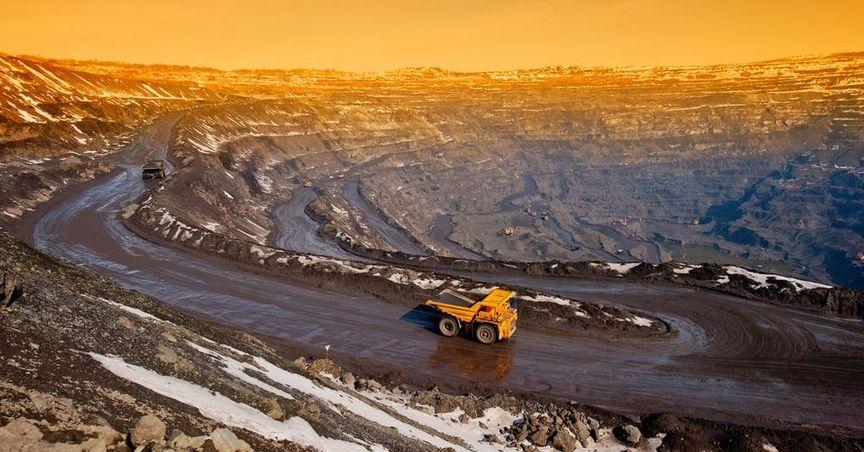
Iron ore remains one of the defining pillars of the Australian resources industry. Many of the nation's largest listed companies operate extensive mining networks, export infrastructure and logistics systems that support global steel production.
This places the sector firmly within the category of ASX Metal & Mining Stocks, a segment that often attracts attention whenever commodity markets become a major discussion point.
What makes the sector particularly interesting is that companies operating within the same commodity can have very different business models. Factors such as mine quality, production costs, customer exposure and expansion strategies often create distinct investment stories even among companies producing similar products.
Different Companies, Different Narratives
BHP's Diversified Resources Strategy
BHP Group (ASX:BHP) remains one of Australia's largest diversified mining companies. While iron ore is a major contributor to its operations, the company's exposure extends across several key commodities. This diversification gives market participants insight into broader resource trends rather than a single commodity cycle.
Rio Tinto's Scale Advantage
Rio Tinto (ASX:RIO) is recognised globally for its large-scale mining operations and extensive export footprint. Its iron ore assets continue to play a significant role in shaping discussions around production trends, operational efficiency and global demand patterns.
Fortescue's Evolving Position
Fortescue (ASX:FMG) has built its identity around iron ore production while also expanding its focus into future-facing initiatives. The company's progress is often monitored as a gauge of broader sector sentiment and operational resilience.
Mineral Resources and Diversification
Mineral Resources (ASX:MIN) combines mining operations with infrastructure and services exposure, creating a business profile that differs from traditional iron ore producers. Its diversified approach highlights how companies can participate in the sector through multiple avenues.
Champion Iron's Market Presence
Champion Iron (ASX:CIA) provides exposure to high-grade iron ore production, making it a company frequently discussed when quality premiums and customer demand trends become important market themes.
The Signals Traders Are Watching
Iron ore stocks are influenced by a broad range of factors, many of which extend well beyond the mining industry itself.
Global Steel Production
Steel manufacturing remains one of the most important demand drivers for iron ore. Any change in production activity across major industrial economies can influence market sentiment towards iron ore producers.
Shipping and Export Activity
Australia's mining sector relies heavily on export infrastructure. Shipping volumes, freight conditions and supply chain efficiency often provide valuable clues about the health of the broader market.
Grade Premiums and Product Quality
Not all iron ore is valued equally. Higher-grade products can attract stronger demand under certain market conditions, making quality an important consideration when assessing company performance.
Operational Execution
Production consistency, cost management and project delivery remain critical. Companies that demonstrate reliable execution often receive greater market confidence than those facing operational disruptions.
Why Market Sentiment Can Change Quickly
One of the defining characteristics of resource stocks is the speed at which market sentiment can shift.
A strong operational update, a favourable production report or improved demand outlook can quickly elevate interest across the sector. Equally, weaker demand indicators, rising costs or regulatory developments can cool enthusiasm.
This creates a unique environment where market narratives often evolve before all information becomes fully available. As a result, many participants closely monitor quarterly updates, production reports and company announcements for early signals.
The sector's influence also extends beyond mining. Broader movements across the Australian share market can amplify or dampen reactions to company-specific developments, creating periods of heightened volatility.
Key Risks That Remain on the Radar
Commodity Price Volatility
Iron ore remains a globally traded commodity, meaning market prices can react to changes in supply, demand and broader economic conditions.
Cost Pressures
Mining operations face ongoing challenges related to labour availability, energy costs, infrastructure requirements and operational efficiency.
Regulatory and Policy Changes
Environmental policies, trade developments and regulatory decisions can influence both company operations and broader sector sentiment.
Market Expectations
At times, market enthusiasm can run ahead of business performance. When expectations become elevated, even solid operational results may struggle to satisfy market participants.
Liquidity and Capital Flows
Large resource companies often attract significant institutional attention, while smaller names can experience more pronounced movements due to lower trading volumes. This can create short-term price swings that do not always reflect underlying business quality.
Reading the Sector Through a Wider Lens
The most effective way to assess iron ore stocks is often to view them within a broader market context.
Questions around earnings quality, balance-sheet strength, operational consistency and capital deployment are becoming increasingly important. Rather than focusing solely on commodity headlines, market participants are examining how companies respond to changing industry conditions.
This approach is particularly relevant during periods when global uncertainty and shifting economic conditions create competing narratives across financial markets.
For many readers, iron ore stocks provide a useful lens through which to understand larger themes including industrial activity, infrastructure spending, export performance and economic confidence.
The Outlook Remains a Story of Signals
The outlook for Australia's iron ore sector is less about certainty and more about interpretation. Market participants continue to watch demand indicators, production updates, export activity and company execution for clues about where sentiment may head next.
What makes the theme compelling is its combination of familiar names, global relevance and constant evolution. Whether attention is focused on cash generation, operational performance or changing market dynamics, iron ore stocks remain central to conversations across the Australian resources landscape.
As the sector moves through another chapter, the most valuable signals may come not from headlines alone, but from the underlying business developments that shape long-term market narratives.
