
 AUS
AUS
 NZ
NZ
 UK
UK
 CA
CA
 USA
USA
 IND
IND




Highlights
- China’s steel demand, grade premiums and shipping trends remain key influences on iron ore-related companies.
- Major names across the Australian resources sector are responding to a changing mix of market, operational and economic signals.
- The biggest story may not be iron ore prices alone, but the broader catalysts developing beneath the surface.
Iron ore stocks remain a key market theme as investors monitor demand trends, operational performance, shipping activity and broader economic signals shaping Australia's mining sector conversation.
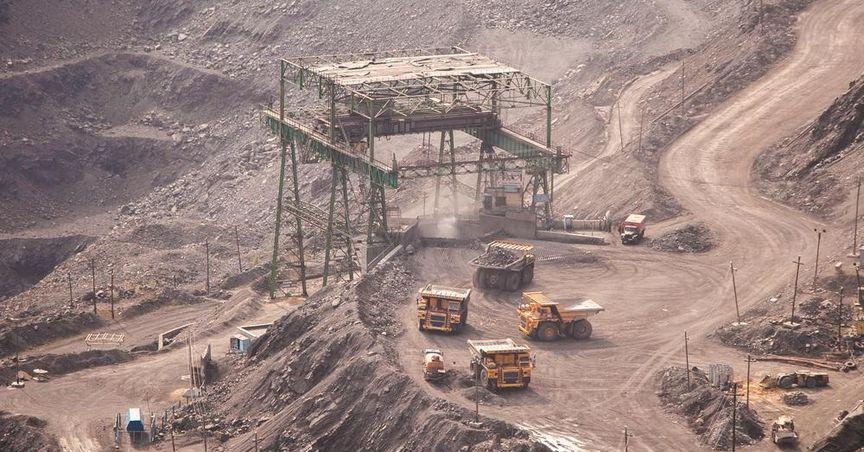
The Australian share market rarely stands still. Themes that seem quiet can quickly dominate headlines as traders, institutions and market watchers search for the next major narrative. That renewed focus has brought iron ore companies back into the spotlight, particularly as resource giants such as BHP Group (ASX:BHP) continue to sit at the centre of Australia's export story. Within the ASX 200, iron ore remains one of the most closely watched segments because it reflects a wider mix of global demand, corporate execution and shifting market sentiment.
Why Iron Ore Stocks Are Back on the Radar
Iron ore has long been one of Australia's most important export commodities, but the conversation around the sector has evolved. Market participants are no longer looking only at commodity pricing. They are increasingly focused on how mining companies manage costs, maintain production quality and adapt to changing economic conditions.
The renewed attention comes as global markets navigate a complex backdrop. Commodity demand, currency movements, shipping activity and geopolitical developments are all influencing the outlook for resource-focused businesses. At the same time, escalating Middle East tensions and stronger oil prices have added another layer of uncertainty to broader market discussions, creating ripple effects across commodity-linked sectors.
This has made iron ore stocks an important barometer for market confidence. When sentiment improves, these companies often become part of the discussion. When caution rises, they can also become a focal point for concerns around earnings durability and economic growth.
For readers following <a href="https://kalkinemedia.com/au/stocks/metal-and-mining">ASX Metal & Mining Stocks</a>, the sector offers a useful lens into how global trends connect directly with Australian-listed companies.
The Signals Beneath the Headlines
Demand Trends Still Matter
The iron ore market remains heavily influenced by steel production activity. Infrastructure spending, construction demand and manufacturing output all feed into the broader commodity ecosystem.
China continues to play a significant role in shaping market expectations. Changes in industrial activity, construction trends and policy support can alter demand assumptions across the entire sector. Even small shifts in sentiment around steel consumption can influence discussions surrounding Australia's major miners.
Yet demand is only part of the picture. Investors and market observers are increasingly paying attention to the quality of demand rather than simply its size. Premium-grade products, operational efficiency and customer relationships are becoming more important factors when assessing company performance.
Shipping and Supply Dynamics
Shipping volumes and supply conditions remain key indicators that often receive less attention than headline commodity prices.
Global freight activity can provide early clues about demand trends and inventory movements. Similarly, supply disruptions, maintenance schedules and weather-related events can influence production expectations.
These factors rarely dominate mainstream headlines, but they can quietly shape market perceptions and affect how resource companies are valued.
Different Companies, Different Stories
Although iron ore stocks are often grouped together, the businesses involved can be remarkably different.
Diversified Giants
Rio Tinto (ASX:RIO) remains one of the world's largest mining groups, with exposure spanning multiple commodities and regions. Its scale provides diversification that extends beyond iron ore alone.
Fortescue (ASX:FMG) continues to attract attention for its strong focus on iron ore operations while also expanding its presence in future-facing energy initiatives. The company's strategic direction often places it at the centre of discussions about both traditional resources and emerging opportunities.
Because these businesses operate with different structures and priorities, they may respond differently to the same market developments.
Operational Focus Matters
Mineral Resources (ASX:MIN) demonstrates how operational execution can become a critical differentiator. Production efficiency, infrastructure management and capital allocation decisions often have a direct influence on how markets perceive long-term sustainability.
Champion Iron (ASX:CIA) highlights another dimension of the sector through its focus on high-grade iron ore products. Product quality and market positioning can become important factors when customers seek efficiency and lower-emission production pathways.
The key takeaway is that iron ore stocks are not a single story. Each company brings its own operational strengths, challenges and strategic priorities.
What Could Shape the Next Phase?
Commodity Markets Are Only One Piece
A common mistake is assuming iron ore stocks move purely because of iron ore prices. In reality, a range of interconnected factors influence market sentiment.
Interest rate expectations continue to affect how future earnings are valued. Currency movements can alter export competitiveness. Energy costs may influence operating margins. Broader economic confidence can also affect how capital flows across sectors.
This wider context explains why investors increasingly look beyond headline commodity movements when evaluating resource companies.
Corporate Updates Carry Weight
Quarterly production reports, project updates and operational guidance remain important catalysts for market discussion.
Companies that demonstrate consistent execution often receive greater market attention. Conversely, unexpected disruptions, cost pressures or project delays can quickly reshape sentiment.
What matters most is not necessarily whether a company delivers perfect results, but whether management provides clarity around performance and future priorities.
Sector Rotation Can Change Everything
Market leadership rarely remains static. Capital often rotates between defensive sectors and cyclical industries depending on economic conditions.
Iron ore stocks frequently sit at the intersection of these shifts. During periods of optimism, resource names may attract increased attention. During more cautious periods, investors may favour businesses with different earnings characteristics.
Understanding these broader market rotations can provide useful context for interpreting share-price movements.
Risks That Deserve Attention
Every market theme comes with trade-offs, and iron ore stocks are no exception.
Commodity volatility remains an ongoing consideration. Demand assumptions can change rapidly when economic conditions evolve. Regulatory developments and environmental requirements can also affect operational planning.
Funding conditions represent another area of focus. Higher financing costs can influence expansion projects and strategic decisions across the sector.
Market sentiment itself can create challenges. Popular themes occasionally become crowded, while less fashionable sectors can remain overlooked despite strong operational performance.
Liquidity considerations may also be relevant, particularly among smaller resource companies where trading activity can fluctuate significantly.
The most balanced approach is to assess both the opportunities and the risks rather than relying solely on prevailing market narratives.
Reading the Sector Through a Wider Lens
One reason iron ore stocks continue to attract attention is that they connect several major economic themes at once.
They reflect Australia's export strength, global industrial demand, infrastructure activity and commodity market trends. They also provide insight into how large corporations manage growth, capital allocation and operational execution.
This broader relevance helps explain why the sector remains a frequent topic across financial media and market commentary.
The strongest analysis often focuses less on short-term excitement and more on whether business fundamentals are supporting the narrative. Production consistency, demand visibility, cash generation and strategic execution tend to matter more over time than temporary shifts in market enthusiasm.
Looking Beyond the Obvious
The most interesting developments in iron ore stocks are often the ones receiving the least attention.
Shipping activity, grade premiums, operating efficiency, capital discipline and customer demand patterns can all influence company outcomes long before they become headline news.
That is why the conversation around iron ore stocks in the current market environment feels different. Rather than focusing on a single commodity price chart, market participants are increasingly examining a wider set of indicators.
For readers following Australia's resource sector, the real value lies in understanding how these moving parts fit together. The companies may be familiar, but the forces shaping their future continue to evolve.
