
 AUS
AUS
 NZ
NZ
 UK
UK
 CA
CA
 USA
USA
 IND
IND





Highlights
- Eli Lilly operates as a global pharmaceutical developer
- The company delivers therapies across multiple medical areas
- Its scale aligns with companies tracked in Russell 1000
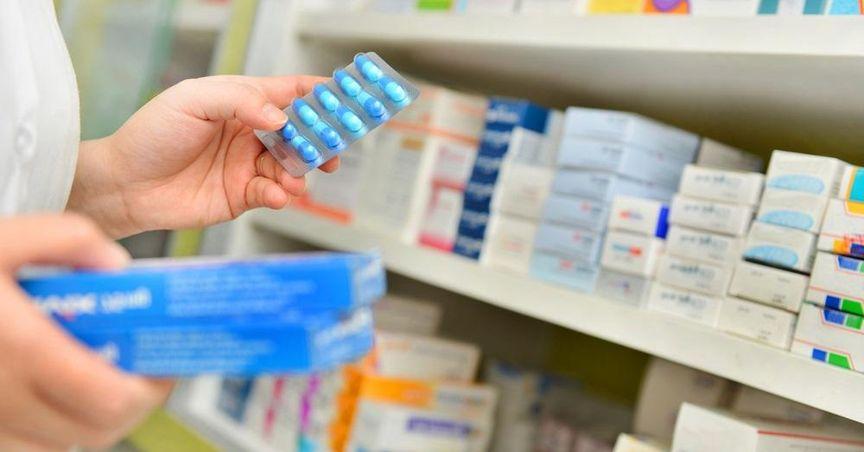
Eli Lilly and Company (NYSE:LLY) represents one of the largest pharmaceutical organizations globally, focused on the research, development, manufacturing, and commercialization of therapies addressing a wide range of medical conditions. Headquartered in the United States, the company maintains a broad international footprint spanning multiple continents and healthcare systems. Its position within the large-cap equity universe aligns with benchmarks such as the Russell 1000, reflecting its standing among major publicly traded healthcare companies that shape global pharmaceutical activity.
Pharmaceutical Innovation And Global Presence
Eli Lilly and Company has built a diversified portfolio of medicines targeting therapeutic areas such as diabetes, oncology, immunology, and neuroscience. The company’s research-driven model emphasizes discovery and development of new therapies supported by scientific advancement and clinical trials.
Operations extend across developed and emerging markets, allowing the company to deliver treatments to a wide patient population. Manufacturing facilities, research centers, and distribution networks form an integrated system that supports consistent supply of medicines worldwide. This global reach enables Eli Lilly and Company to address healthcare needs across different regulatory environments and patient demographics.
Pharmaceutical innovation remains central to the company’s operational structure, with ongoing efforts focused on expanding treatment options and improving patient outcomes through advanced drug development programs.
Market Activity And Trading Dynamics
Recent trading activity in Eli Lilly and Company shares reflected shifts in market sentiment following changes in external coverage perspectives. Share price movement during trading sessions indicated fluctuations aligned with updated price expectations and revised outlook assessments issued by market participants.
Trading volume during the session showed elevated activity compared with typical averages, reflecting increased participation during the period. Such fluctuations form part of normal market behavior, particularly for companies with significant capitalization and broad institutional ownership.
Market capitalization places Eli Lilly and Company among the largest publicly traded pharmaceutical companies. Valuation metrics such as price-to-earnings and growth ratios provide descriptive context regarding how the company is valued within the healthcare sector.
Institutional Participation And Ownership Structure
Large financial institutions maintain substantial ownership in Eli Lilly and Company, reflecting its importance within diversified equity portfolios. Asset managers, wealth management firms, and financial institutions have adjusted positions over recent reporting periods, demonstrating routine portfolio management practices.
Ownership concentration among institutions is common for companies operating at this scale, particularly within healthcare and pharmaceutical sectors. Institutional participation supports liquidity in trading activity and contributes to governance oversight through shareholder engagement.
Such participation aligns with companies included in broad equity benchmarks like the Russell 1000 Index, where large-cap organizations represent a significant portion of market composition. Eli Lilly and Company’s inclusion within this category highlights its influence across both healthcare and capital markets.
Financial Structure And Capital Position
Eli Lilly and Company maintains a financial framework characterized by liquidity management and capital allocation across research, manufacturing, and global operations. Ratios related to liquidity and leverage illustrate the company’s ability to meet operational obligations while supporting long-term development initiatives.
Return on equity and net margin metrics provide an overview of operational efficiency within the company’s financial structure. These indicators reflect how effectively resources are utilized to support pharmaceutical development and distribution activities.
Moving averages across different timeframes provide historical context regarding share price behavior. These indicators describe trends without implying forward-looking direction. The company’s financial position supports its ability to maintain extensive research pipelines and manufacturing capabilities across global markets.
Research Pipeline And Therapeutic Expansion
A key element of Eli Lilly and Company’s strategy involves continuous expansion of its research pipeline. The organization focuses on developing therapies across multiple disease categories, including metabolic disorders, oncology treatments, and neurological conditions.
Clinical research programs involve collaboration with research institutions, healthcare providers, and regulatory bodies. These programs aim to evaluate safety, efficacy, and long-term outcomes of new treatments before commercialization.
Therapeutic expansion allows the company to address evolving healthcare challenges while maintaining a diversified portfolio. Research support innovation in drug discovery, including biologics and advanced molecular therapies designed to improve patient outcomes.
Manufacturing Capabilities And Supply Chain Integration
Manufacturing infrastructure plays a critical role in Eli Lilly and Company’s operations. Facilities located across multiple regions support production of pharmaceutical products at scale. These facilities adhere to regulatory standards governing safety, quality, and consistency in drug manufacturing.
Supply chain integration ensures efficient distribution of medicines to healthcare providers and pharmacies worldwide. The company’s logistics network supports timely delivery across different markets while maintaining product integrity.
Quality control processes are embedded throughout manufacturing operations to ensure compliance with global regulatory standards. These processes include testing protocols, monitoring systems, and validation procedures that maintain product reliability.
Global Healthcare Contribution And Market Role
Eli Lilly and Company contributes to global healthcare systems by providing treatments for chronic and acute medical conditions. Its therapies support patient care across hospitals, clinics, and outpatient settings.
The company’s presence across international markets enables access to medicines in both developed and emerging economies. Partnerships with healthcare providers and governments support distribution and accessibility initiatives aimed at improving treatment availability.
Within broader market discussions, companies like Eli Lilly and Company are often referenced alongside instruments, which aggregates large-cap entities across multiple sectors. This association reflects the company’s scale and relevance within diversified market structures.
Healthcare organizations rely on pharmaceutical manufacturers to deliver consistent treatment solutions, making companies like Eli Lilly and Company integral to the global healthcare ecosystem.
Competitive Landscape Within Pharmaceutical Sector
Eli Lilly and Company (NYSE:LLY) operates within a competitive pharmaceutical environment alongside other global healthcare organizations. Competition centers on research innovation, regulatory approvals, manufacturing efficiency, and global distribution capabilities.
Pharmaceutical companies compete in developing therapies that address unmet medical needs while navigating complex regulatory frameworks. Market positioning is influenced by the ability to deliver effective treatments, maintain supply chain reliability, and expand therapeutic portfolios.
Eli Lilly and Company’s diversified approach across multiple therapeutic areas supports its standing within the industry. Its ability to operate across research, production, and distribution stages contributes to its presence in global pharmaceutical markets.
