
 AUS
AUS
 NZ
NZ
 UK
UK
 CA
CA
 USA
USA
 IND
IND


Highlights
Simandou supply is reshaping global iron ore dynamics and investor sentiment.
Fortescue, BHP and Rio Tinto are adjusting strategies across differing commodity exposures.
ASX 200 strength reflects renewed confidence in resources.
Simandou supply is reshaping global iron ore dynamics as Fortescue, BHP and Rio Tinto adjust strategies. Demand resilience and diversification remain central to ASX mining sector performance.
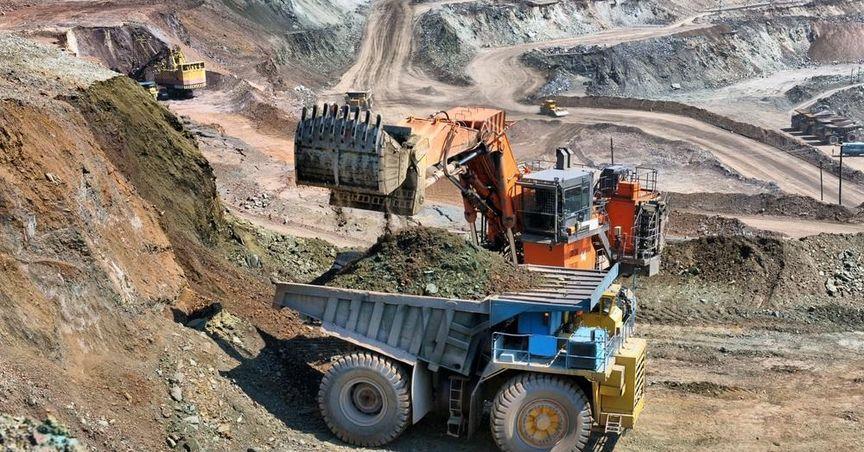
Iron ore remains the backbone of the Australian resources landscape, and the latest supply developments out of West Africa are forcing a rethink across major producers. Within the ASX 200, Fortescue (ASX:FMG), BHP Group (ASX:BHP) and Rio Tinto (ASX:RIO) continue to anchor sentiment as global markets respond to the emerging Simandou supply wave. For Australia’s mining heavyweights, the evolving balance between strong demand and expanding global output is reshaping expectations around pricing power and long-term positioning.
Simandou reshapes the global iron ore map
The Simandou project in Guinea has emerged as one of the most influential developments in the iron ore market in recent years. Long regarded as a vast high-grade resource, its gradual move into production introduces a new supply source into an already competitive seaborne market. For ASX mining stocks, this represents a structural shift rather than a short-term disruption, as global steel demand and supply dynamics begin to adjust to higher available volumes.
Fortescue, BHP and Rio Tinto under the spotlight
Fortescue (ASX:FMG), as a near pure-play iron ore exporter, carries the most direct sensitivity to price movements in the steelmaking commodity. Its earnings profile is closely aligned with global iron ore pricing cycles, making it particularly responsive to shifts in supply expectations.
BHP Group (ASX:BHP) offers a more diversified structure, with exposure across iron ore, copper and other commodities. This broader mix helps smooth revenue fluctuations when iron ore pricing softens, while still allowing participation in strong commodity cycles.
Rio Tinto (ASX:RIO), similarly diversified, maintains significant exposure to iron ore alongside aluminium and copper operations. This mix positions it differently within the sector, balancing cyclical iron ore exposure with multi-commodity stability.
Why Simandou matters for long-term pricing
The significance of Simandou lies not only in its scale but also in its grade quality. High-grade ore has traditionally commanded strong demand from steelmakers seeking efficiency gains. As new supply enters the market, competition for contracts and pricing flexibility is expected to evolve.
For Australian producers, the challenge is not immediate displacement but gradual margin recalibration. Established Pilbara operations benefit from logistical efficiency, existing infrastructure and long-standing trade relationships, all of which remain key advantages even as global supply expands.
Demand resilience still anchors the sector
Despite new supply concerns, global iron ore demand remains supported by infrastructure development and industrial activity, particularly in Asia. Steel production continues to be a cornerstone of urbanisation and manufacturing cycles, providing a stable demand base for exporters.
This underlying demand stability is a key reason ASX mining stocks have continued to attract attention even amid supply-side shifts. The balance between structural consumption and new production defines the current phase of the cycle.
Diversification versus pure exposure
A key distinction across the major producers lies in portfolio structure. Fortescue (ASX:FMG) provides concentrated exposure to iron ore, amplifying both upside and downside movements tied to pricing shifts.
In contrast, BHP Group (ASX:BHP) and Rio Tinto (ASX:RIO) spread exposure across multiple commodities, reducing reliance on any single market driver. This diversification plays a stabilising role during periods of volatility, particularly when iron ore supply dynamics are in transition.
Market sentiment remains closely tied to China
China continues to play a central role in shaping iron ore demand, given its dominant position in global steel production. Infrastructure cycles, property development and industrial activity within the region remain key demand drivers for Australian exports.
As supply dynamics evolve, Chinese demand trends are expected to remain the primary counterbalance to new global output, influencing both short-term pricing and long-term investment sentiment.
The balance between risk and resilience
The current phase of the iron ore market is defined by two opposing forces: expanding global supply and resilient demand fundamentals. While Simandou introduces a new layer of competition, established producers retain significant structural advantages.
For ASX mining stocks, the focus continues to shift toward cost efficiency, operational scale and commodity diversification as key differentiators in a more complex global environment.
