
 AUS
AUS
 NZ
NZ
 UK
UK
 CA
CA
 USA
USA
 IND
IND



Highlights
Spodumene price strength is reshaping ASX lithium sentiment, influencing producers like Pilbara Minerals and Liontown Resources amid shifting global supply conditions.
Australian lithium equities are once again drawing attention as spodumene prices strengthen across global markets, reshaping sentiment across lithium-focused producers. Pilbara Minerals (ASX:PLS), a major hard-rock lithium producer, and Liontown Resources (ASX:LTR), a developing supplier in the sector, are among the companies most closely linked to the evolving price environment.
Within the broader ASX Lithium Stocks segment, the movement in spodumene pricing is acting as a key reference point for revenue expectations and operational outlooks. The Australian stock market has seen renewed focus on how commodity cycles influence earnings across resource-heavy sectors, particularly those tied to electric vehicle supply chains and energy storage demand.
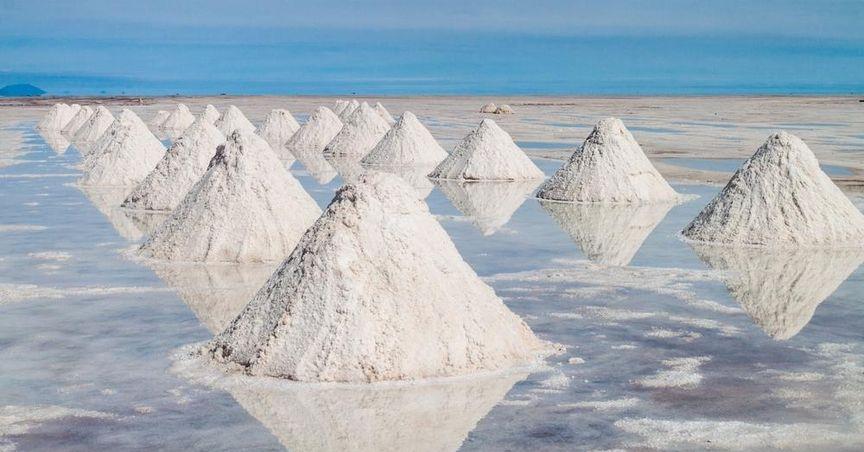
Spodumene, a key lithium-bearing mineral, plays a central role in global battery supply chains. Its pricing directly influences the economics of Australian mining operations, making it one of the most closely watched inputs in the resources sector.
Spodumene Pricing and Market Repricing
Spodumene pricing dynamics have shifted meaningfully, reflecting tighter supply conditions and evolving demand from downstream lithium chemical producers. This change has become a central driver for ASX-listed lithium companies, where revenue sensitivity to underlying commodity movements remains high.
Pilbara Minerals (ASX:PLS), one of the largest independent lithium producers in Australia, operates within this environment where pricing movements can materially influence financial outcomes. Similarly, Mineral Resources (ASX:MIN), which has diversified exposure across mining and mining services, remains closely linked to lithium market conditions.
The recent pricing strength has been reinforced by auction activity, where market-based sales mechanisms have provided signals of tightening availability. These auctions offer visibility into real-time demand, with buyers competing across multiple jurisdictions to secure supply.
This environment highlights how rapidly sentiment can shift in commodity-driven sectors, particularly when supply constraints intersect with consistent industrial demand.
Auction Signals and Supply Tightness
Liontown Resources (ASX:LTR) has been part of recent auction activity that reflects heightened demand for spodumene concentrate. Competitive bidding in such auctions is often interpreted as a sign of tightening supply conditions across global lithium markets.
The broader lithium supply chain has experienced periods of volatility, driven by shifts in production, policy changes in key jurisdictions, and evolving demand from battery manufacturers. These factors collectively influence pricing outcomes and create variability in revenue expectations for producers.
Within ASX-listed mining stocks, lithium producers occupy a unique position due to their exposure to both commodity cycles and structural energy transition themes. However, pricing remains the most immediate driver of sentiment, particularly for companies with direct spodumene exposure.
Flow-On Effects Across ASX Producers
Changes in spodumene pricing typically flow through quickly to producers due to relatively fixed operating cost structures. This creates a high sensitivity environment where earnings expectations can adjust rapidly in response to commodity shifts.
Pilbara Minerals (ASX:PLS), Liontown Resources (ASX:LTR), and IGO Limited (ASX:IGO) represent a cross-section of Australian lithium exposure, spanning production, development, and integrated resource operations. Each operates within a framework where lithium pricing plays a central role in revenue generation.
The broader ASX Mining Stocks sector also reflects this sensitivity, as commodity-linked businesses respond to global supply-demand shifts. Lithium, in particular, has become one of the most closely monitored commodities due to its role in electrification and energy storage systems.
As pricing strengthens, attention often shifts toward operational efficiency, production capacity, and cost management across the sector. These factors collectively determine how effectively producers translate commodity movements into financial outcomes.
Demand Drivers and Global Supply Conditions
Underlying demand for lithium continues to be influenced by global electrification trends, including battery storage systems, electric vehicles, and renewable energy infrastructure. These structural drivers support ongoing consumption of lithium-based inputs, including spodumene concentrate.
At the same time, supply conditions remain variable due to project development timelines, operational disruptions, and shifting export dynamics across key producing regions. These supply-side factors contribute to periodic tightening in the market, which can influence pricing behaviour.
Australian producers remain central to global lithium supply, with their output forming a significant component of seaborne trade flows. This positioning ensures that ASX-listed lithium companies remain closely tied to international pricing benchmarks and demand cycles.
Market Sensitivity and Investor Attention
The lithium sector is characterised by high sensitivity to commodity price movements, making it one of the more dynamic segments within the Australian resources landscape. Spodumene pricing serves as a key indicator of sector direction, influencing sentiment across producers and developers alike.
Companies such as Pilbara Minerals (ASX:PLS) and Liontown Resources (ASX:LTR) operate within this environment where external pricing shifts can rapidly alter market perception. The same dynamic applies across other lithium-exposed businesses within the ASX ecosystem.
As global demand patterns evolve, market attention remains focused on supply balance, production capacity, and pricing stability. These elements collectively shape the operational environment for Australian lithium producers and define the broader trajectory of the sector within global commodities markets.
