
 AUS
AUS
 NZ
NZ
 UK
UK
 CA
CA
 USA
USA
 IND
IND






Highlights
FTSE 100 reflects a steady opening with mixed sector participation.
Energy, banking, and retail stocks shape early trading sentiment.
Broader UK equity space mirrors cautious positioning across sectors.
FTSE 100 shows steady early trade with energy, banking, mining, and retail sectors shaping balanced market participation across UK equities.
The UK stock market operates across sectors such as energy, financial services, mining, and consumer-focused industries, all contributing to daily movements within the FTSE 100. Early trading activity reflects participation from companies including BP plc (LSE:BP) and HSBC Holdings plc (LSE:HSBA), representing key sectors that influence the index. The broader market environment aligns with developments across global equity markets, shaping trading patterns within the UK.
Market conditions during the opening phase often reflect a balance between sectoral gains and declines, highlighting the interplay between domestic developments and international influences. Activity across large-cap stocks contributes to overall index direction, with varied sectoral participation forming the basis of early movements.
Energy Sector Participation in Market Activity
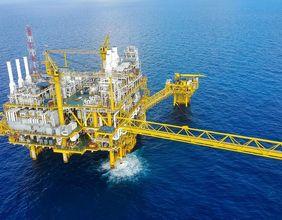
Energy companies play a notable role in shaping the movement of the UK equity market. Firms such as BP plc (LSE:BP) operate across exploration, production, and distribution, forming a key part of the energy landscape. Their activities align with global commodity trends, influencing how the sector interacts with broader market dynamics.
The energy sector often reflects shifts tied to global supply conditions, geopolitical developments, and demand patterns. These factors contribute to daily fluctuations within the index, with companies adjusting operations in response to market conditions.
Corporate activity within this segment includes refining, production output, and distribution networks, all of which contribute to revenue generation. The presence of energy firms within the FTSE ecosystem highlights their role in maintaining market participation across the UK equity space.
Banking and Financial Stocks Influence
Financial institutions form a central component of the UK stock market, supporting activities such as lending, investment, and financial services. HSBC Holdings plc (LSE:HSBA) represents a major participant within this sector, operating across international markets.
The banking sector reflects activity shaped by economic conditions, regulatory frameworks, and capital flows. These elements contribute to how financial stocks interact with the broader market during trading sessions.
Daily movements in financial stocks often align with macroeconomic developments, including currency shifts and interest rate expectations. These dynamics influence participation within the equity market, contributing to index performance.
The integration of financial firms within the FTSE dividend stocks category highlights their involvement in structured income distribution across the market.
Mining Sector and Commodity Exposure
Mining companies represent another significant segment within the UK stock market, engaging in the extraction and processing of natural resources. These firms operate across global markets, supplying materials essential for industrial activity.
Commodity-linked companies often reflect movements tied to global demand for metals and minerals. Changes in supply chains, industrial activity, and international trade conditions contribute to fluctuations within this sector.
The mining sector’s participation within the index highlights the connection between global resource markets and UK equities. Companies adjust operations in response to commodity demand, influencing their contribution to overall market performance.
Within the broader Indexftse Ukx, mining stocks form a key part of sectoral diversity, supporting the index’s representation of global economic activity.
Retail and Consumer Sector Activity
Consumer-focused companies operate within retail environments that reflect purchasing patterns and market demand. Firms in this sector engage in the sale of goods and services across domestic and international markets.
Retail activity often aligns with consumer sentiment, supply chain developments, and seasonal demand cycles. These factors influence revenue generation and operational performance within the sector.
Companies within the consumer space contribute to market participation by maintaining distribution networks, managing inventory, and adapting to changing consumer preferences. Their involvement within the equity market highlights the importance of demand-driven activity.
The inclusion of consumer-focused firms within the FTSE all share landscape reflects their contribution to the broader UK market structure.
Broader Market Environment and Sector Interplay
The UK equity market reflects a dynamic environment where multiple sectors interact to shape overall performance. Energy, financial services, mining, and consumer industries each contribute to daily market activity, forming a diverse ecosystem.
Global developments, including geopolitical events and economic indicators, influence sectoral participation within the market. Companies adjust operations in response to these factors, aligning their activities with prevailing conditions.
The interplay between sectors highlights the complexity of the equity market, where gains in one segment may offset declines in another. This balance contributes to the steady movement observed during early trading sessions.
Participation across the FTSE framework reflects the interconnected nature of the UK market, where companies operate within global networks and contribute to overall market engagement.
