
 AUS
AUS
 NZ
NZ
 UK
UK
 CA
CA
 USA
USA
 IND
IND


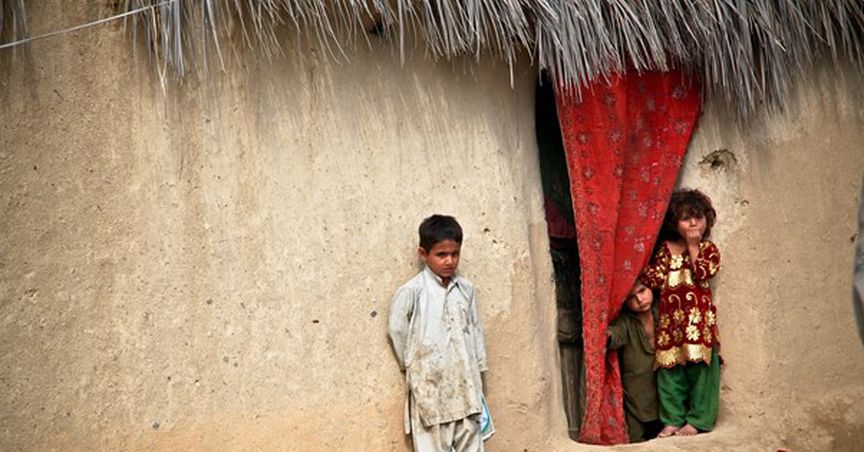





Highlights
- Summer 2021 changed the lives of thousands of Afghans completely.
- Recently a report published by the United Nations disclosed that more than 20 million people in Afghanistan are facing food insecurity.
- Afghanistan is standing on the brink of a humanitarian crisis.
2021 has been preposterous not merely because of the COVID-19 situation, also because of other socio-political occurrences that happened globally. As we reach the end of the year, it is significant to talk about the biggest humanitarian crisis that ventured this year: the fall of the Afghan government and the subsequent takeover by the Taliban.
Summer 2021 changed the lives of thousands of Afghans completely. Living in the present contemporary world, it almost seems impossible for a religious-extremist group to take over an entire country while the rest of the world twiddle their thumbs.
As the Afghan government backed out and Taliban took over, immediately after the transfer of power, Afghanistan’s economy faced a storm, which continues till date. And the condition will worsen if adequate measures are not taken by the people in power.
ALSO READ: UN warns of starvation crisis in Afghanistan; one million children ‘could die’
Fall of Afghanistan's economy
Recently a report published by the United Nations disclosed that more than 20 million people in Afghanistan are facing food insecurity. It implies that people are unable to get adequate and nutritious food.
About 14 million Afghan children are struggling to get two meals a day. Children are no more worried of their lost childhood; all they care about is to secure basic meals.
Additionally, food prices are already running at an all-time high in the world because of supply chain disruptions, poor harvesting, etc. All these factors have fuelled the already raging food crisis in the Afghan land.
The UNICEF officials have said, “We are seeing around 3.2 million children who are acutely malnourished and 1.1 million children who are at risk of dying because of severe, acute malnutrition unless we intervene with treatment”.
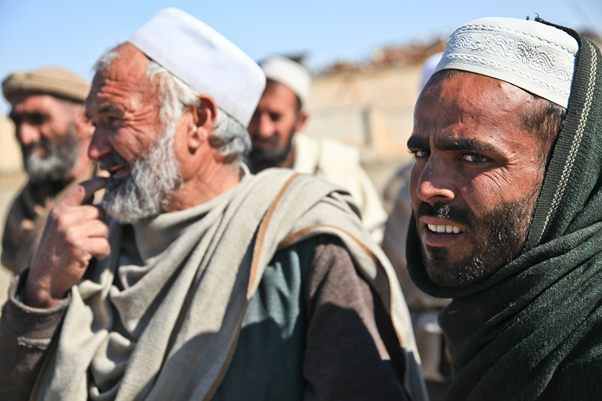
Image source: Pixabay
40 years of conflict and subsequent humanitarian crisis
The present conditions in Afghanistan are not entirely because of the Taliban takeover. Problems of malnutrition, food insecurity, healthcare crisis existed in the country since the conflict began forty years ago.
However, the issues have significantly picked up steam after the recent turnover of power. In hospitals, the number of severe malnutrition cases have increased by 50-30%.
Additionally, apart from the pandemic, the unemployment rate in Afghanistan has risen because the Taliban government denied women to work on August 15th. Since then, thousands of women who were employed before are sitting unemployed, some because of the new law and some because of the fear to step out.
The present conditions are so gruesome, that many women are unable to breastfeed, and old people are unable to fetch basic medicines.
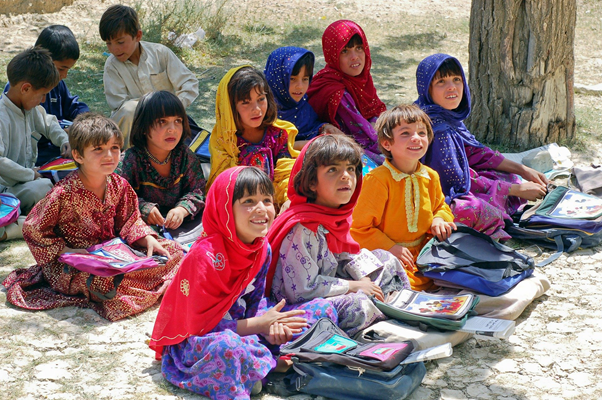
Image source: Pixaba
The bleak future of Afghans
UNICEF has reported that due to drought, low harvest and the overall increase of international food prices, Afghans could run out of food stocks in the following months. UNICEF has urged international committees that “Afghanistan is on the brink of a humanitarian crisis.”
Currently the healthcare system, education system, and food system of the country are falling. Amid all this, people have an extensive fear of the Taliban, they fear if their kids don’t go to schools, they might be recruited by armed groups. Additionally, adolescent girls are not allowed in schools. What future can the country entail if they keep their half of the population uneducated.
The main issue is that before the Taliban takeover, 70% of the Afghan economy was running on international aid. Now, with the Taliban's takeover, the aid is frozen and thus people are not being paid.
GOOD READ: Longest war in US history comes to an end as last US troops exit Afghanistan
