
 AUS
AUS
 NZ
NZ
 UK
UK
 CA
CA
 USA
USA
 IND
IND





Highlights
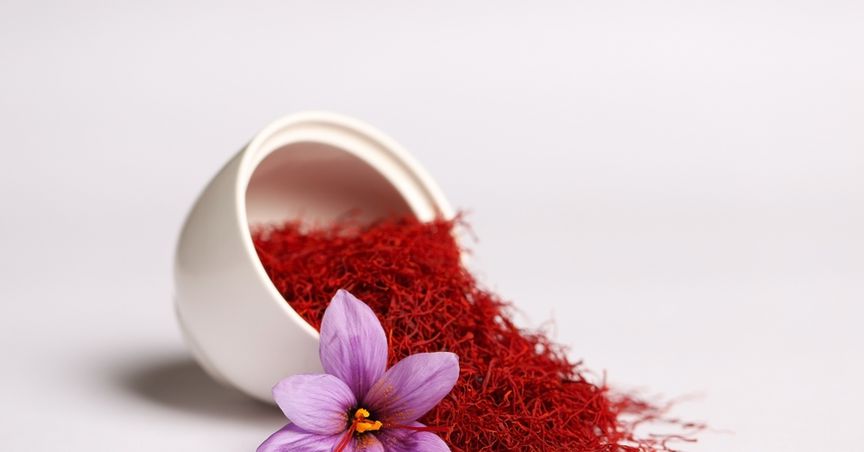
- Saffron, the most expensive spice in the world is significant in terms of its health, culture, and trade.
- It is interesting to note how the social, cultural and livelihood values of saffron are common across India, Spain, and Iran.
- However, deteriorating climate, and rising adulteration are destructing the core values of Saffron.
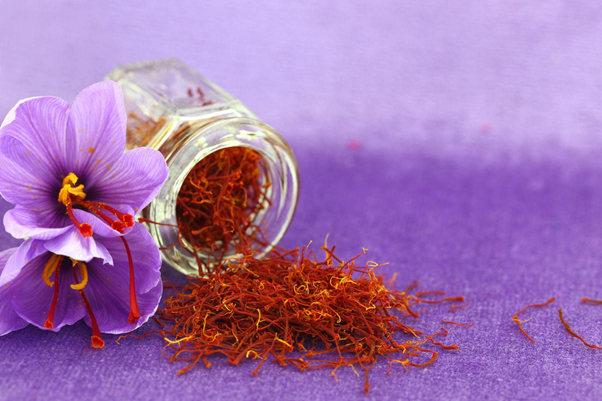
Image source: © Viperagp | Megapixl.com
Saffron flowers
Saffron, the golden flower, carries rich ancient history, and it is one of the elitist spice in the world. The rich-golden-hue coloured saffron has multiple usages, from food to prayers to perfumes; saffron has always been the queen of spices.
The primary cause behind why saffron the most expensive spice in the world is that it is cultivated and harvested only by hand. The manual work makes the spice utterly costly and valuable in the world market.
The perpetual crunch in its availability keeps the all-time prices high; this induces traders to practice adulteration in the sight of earning extra profits. Impurity in saffron is not new and not uncommon. However, it’s one of the most contaminated spices and in the market if not purchased from trusted brands and sources.
Knitting values of saffron in India, Iran & Spain
The golden spice famous for adding exquisite flavour and rich colour to food and milk beverages is also renowned for its health benefits. Saffron consumption is beneficial for asthma patients, curb menstrual cramps, helps in cough, etc.
Indian saffron
In India, saffron is grown in the union territories of Jammu and Kashmir. Hence, saffron holds a very intrinsic part of Kashmir. The spice is produced in several regions of Kashmir, including Pulwama, Budgam, Kishtwar and Srinagar.
From the beginning of planting, growing, and harvesting until its end usage in food, prayers and medicines, saffron holds a unique place in the Indian subcontinent. Kashmir is extensively famous for its saffron and the history it enchants.
Generations after generations have been employed in saffron farming. After rice crop farming in Kashmir, which is a staple in the region, saffron is the major cash crop, providing livelihood to thousands of region families for centuries.
But due to climate change and inadequate rainfall, efficient saffron cultivation has been an unignorable challenge that Kashmiri farmers face. Because of this, saffron cultivation is facing an extinction threat. As a result, livelihood security is in great danger, and the saffron Agri needs to adopt appropriate technologies for better efficiency.
The prominent features of Kashmiri saffron are its longer and thicker stigmas, natural deep-red colour, high aroma, bitter flavour, chemical-free processing, and high quantity of crocin (colouring strength), safranal (taste) and picrocrocin (bitterness).
Kashmiri saffron is divided into three categories based on processing and drying. The three kinds are Lachha Saffron, Guchhi Saffron and Mongra Saffron. The department of agriculture stated that the production of Kashmiri saffron has declined by 65% over the last 20 years from 16 metric tonnes to 5.6 metric tonnes.
The land area devoted to saffron cultivation has been reduced from 5,707 hectares in 1996 to 3,875 hectares in 2010-11. Multiple factors are causing the decline; the major ones are outdated farming techniques, falling government subsidies for saffron cultivation, poor irrigation facilities, climate change, cheap availability of imported Iranian saffron and constant clash between the military and the citizens that causes physical, social and financial disruptions in the valley. The farmers are thus, now shifting from saffron cultivation to other crops like nuts and apples.
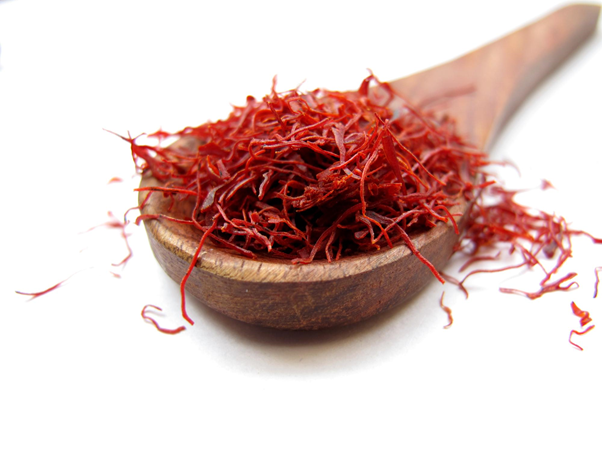
Image source: © Vishakha27 | Megapixl.com
Saffron
Iranian saffron
Iran is the hub of organic saffron. The world’s 95% of saffron is grown in Iran. Most of the people in Iran are dependent upon saffron cultivation as their source of livelihood. The socio-cultural surroundings in Iran make Saffron the most common agri crop. Families are employed in the whole process, and the cultivation is chemical-free.
The northeast of Iran is famous for its ideal soil and perfect weather for saffron cultivation. The region known as Khorasan is renowned for its vast history of saffron cultivation throughout centuries.
The harvest season for saffron hits in mid-October in Iran; thousands of people and their families are engaged in the harvesting process. Iranian saffron is famous for its organic nature; the plucking takes place at dawn as too much sunlight is harmful to the delicate lilac flowers.
Iran exports its saffron to more than 50 nations; in 2019, Iran earned USD 110 million by exporting 192 tons of saffron. Thus, during harvesting and the post-process of packaging, everything is done very professionally so that the finest saffron reaches the end customers.
GOOD WATCH: What is Sandwich trade tactic & should it worry you
Spanish saffron
Saffron is known as Azafrán in Spanish. Spain, the second biggest exporter of saffron, has a rich history of saffron. In Spain, saffron has a very elite image. The Kings, Nobles used to use saffron. It is expensive and carries a rich tradition and honour.
Saffron is used for cooking seafood dishes, rice dishes, tomato-based sauces, etc. Despite saffron’s origin from Iran, Spain is known for its fertile land and great weather supporting saffron cultivation. Due to their emergence during late October, saffron is also known as autumn crocuses in Spain.
The Spanish saffron has been awarded the DOP status (protected denomination of origin), ensuring its authenticity. In ancient history, saffron was used in ceremonies conducted by the kings and nobles, thus giving it a tag of exclusivity in Spain.
In Spain, the “red-gold” has also been a part of the folk music, stories, costumes of farming communities, etc.., making it an integral part of Spanish culture and heritage. The regions of Spain where saffron is grown have the perfect light, humidity, terrain that ensure the best quality saffron.
In Spain, saffron is famous for aiding fast metabolism, teething problems, lowering cholesterol, etc. Thus, creating another diaspora thmaximizetes the demand for saffron to all-time high in the market.
Spanish Chefs grorganizedried threads, then heat them on a pot lid before stirring into the sauce to maximize the flavour and the aroma. In the town of Consuegra, a saffron festival is organised to celebrate the harvesting in late October. It is known as “Festival de la Rosa del Azafrán.”
Bottom line
Saffron, the most expensive spice in the world is significant in terms of its health, culture, and trade. It is interesting to note how the social, cultural and livelihood values of saffron are common across India, Spain and Iran. However, deteriorating climate, and rising adulteration are destructing the core values of saffron.
