
 AUS
AUS
 NZ
NZ
 UK
UK
 CA
CA
 USA
USA
 IND
IND







Summary
- 19 River cleaning projects announced in different parts of New Zealand, implies employment opportunities for over 400 people.
- This NZ$70m project to help clean rivers keeping in mind the new Te Mani o Te Wai guidelines of caring for the health of the water.
- COVID-19 related economy issues faced by several households could be tackled due to employment in these projects over a span of 5 years.
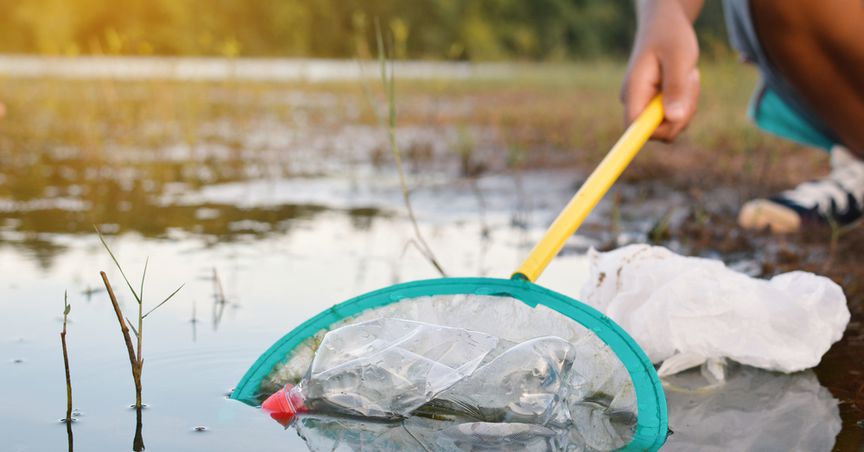
The environment minister David Parker has recently announced 19 different river cleaning projects in the country. There will be about 400 jobs created due to the same, which may be beneficial to several people who have been facing employment issues ever since COVID-19 restrictions were put in place.

Image Source: Shutterstock
Money to be spent
Parker further stated the total cost of this mega project to be about NZ$70m after contributions from various sources, out of which NZ$36m is to be the taxpayers’ money. Most of the cleaning procedures are to take place on private land, a part of which would be to keep cattle away from different streams and rivers, besides some dedicated riparian farming.
You May Also Like: How is climate change impacting the way NZ businesses operate?
The source of the funding was revealed to be the Freshwater Improvement Fund as a part of the Jobs of Nature package which is worth $1.245 billion. The government announced that there are going to be thousands of people who would help the economy recover from the effects of the pandemic in 2020.
These cleaning projects are a joint endeavor by charities, community groups and iwi creations that aim at replenishing the depleting conditions of the polluted waterways.
Mr. Parker stated how the funding is going to help in cleaning different freshwater systems in the country, the rivers in Gisborne, Taranaki, Otago and Northland, the Nelson wetland, and the Canterbury slopes.
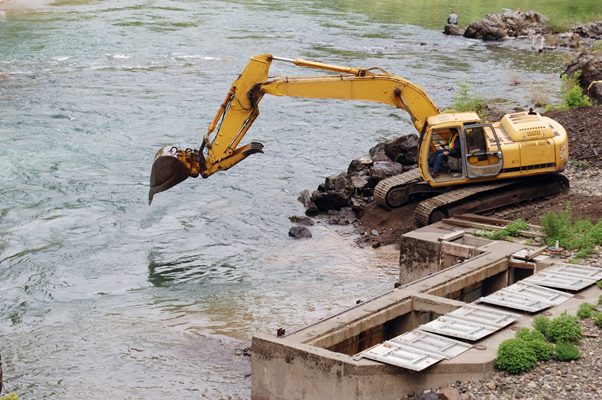
Image Source: Shutterstock
Te Mana o Te Wai
According to the Essential Freshwater reforms, Te Mana o Te Wai, is the driving belief, which literally means conserving the freshwaters that have life-supporting capacity. The priority here is given to the wellness of the source of water, after which comes the basic water related necessities of people, and then the commercial use of the same.
Parker is of the view that with the help of the new funding, landowners, as well as councils will be able to work in inclusion of the Te Mana o Te Wai guidelines and render support to different activities such as fish passage remediation, sediment control, freshwater farm development and stock exclusion, etc.
5 years plan
In the span of the next 5 years, these 19 cleaning projects are aimed at creating over 400 jobs, which might prove to be a massive help in bringing back things on track for several households that have suffered during the economic turmoil that was faced by the world caused by COVID-19.
Over 800 jobs have already been created by Jobs for Nature backed projects and they hope to make the numbers grow steadily in the future too.
