
 AUS
AUS
 NZ
NZ
 UK
UK
 CA
CA
 USA
USA
 IND
IND





Summary
- Housing prices are expected to show signs of a slowdown after showing accelerated growth over the past few months.
- What started with an impetus from record low interest rates has snowballed into high amounts of debt alongside mortgage financing by parents.
- Data on the ratio of housing mortgage to average household income in main cities suggests that most Aussies are unable to afford the house they live in.
After a rough start to 2021, experts suggest that housing prices may cool off in the periods to come. Many factors could affect the course that would be taken by housing prices in the coming months, most of which could pull prices downwards.

In the wake of the continued price surge, experts remain torn between whether Australia is in the middle of a property bubble or not. With Sydney and Melbourne experiencing the worst of the lot, Aussies remain in fear for their future.
ALSO READ: Australia’s Housing Market Surges, Which states are seeing the biggest rises?
Too Many Triggers at the Same Time?
Housing prices have been on the rise for long now, even internationally. However, many triggers at the national level have contributed to the current surge, which has left many without a roof over their heads. As moratoriums offered to mortgage buyers ended, many were left unable to complete interest payments. This has forced them to look for alternatives and move out of their houses.
Some of the contributing factors to the current state include record low interest rates and the attractive policies targeted at first-time home buyers. Some people are of the view that there is no better time to buy a house than right now. However, not all is given as promised. The full picture reveals that even though interest rates seem favourable, the current housing rates in some cities are at an all-time high.
Despite the rising prices, most homeowners, a significant part of which were first-time buyers, wanted to take advantage of low interest rates. In a bid to not be left out, most people acted out of exuberance and bought their first house. This is being termed as the “fear of being missed out” or FOMO as Gen Z puts it.
DO NOT MISS: Housing prices in Australia highest in 13 years
Not a New Occurrence for Sydney and Melbourne
Property has always been expensive in Sydney and Melbourne. This is true for most cities that have a large population intake, especially in the form of foreign students. These main cities continue to remain unaffordable and have a global reputation of standing amongst the most expensive cities in terms of the ratio of housing prices to the household income.
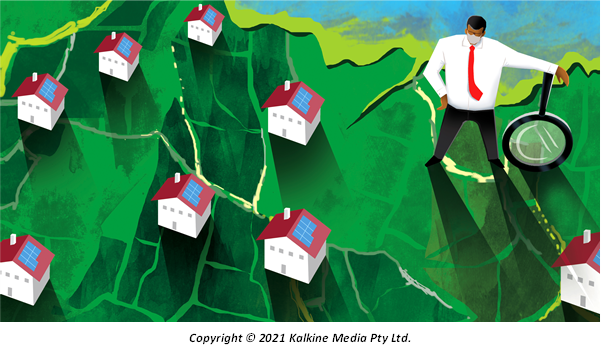
This has led to many young people not being able to afford a house. Thus, the first opportunity that came their way, they accepted with open arms. Interestingly, housing debt levels in Australia also continue to remain high, and points to the fact that many are dependent on loans to finance their housing needs.
ALSO READ: Housing Unaffordability Rising Faster In Western Countries
Mortgage Not the Only Resort for Many
The alarming level of Australian mortgage debt does not explain the fact that many first-time home buyers have roped in their parents to help meet their financial needs. Recent data suggests, a large proportion of the first-time home buyers is relying on their parents’ money to buy its houses.
This has added to the number of new buyers in the market and is a huge explanation for why these fresh buyers have dominated the current demand surge. The last time such paranoia was visible in the housing market was when the Rudd government offered its first homeowner grants.
These parental instincts have led to the most parents paying hefty proportions of the mortgage debt taken by their children. This figure is the highest for the buyers residing in Sydney and Melbourne. These hefty deposits by parents have significantly increased the number of buyers in the market, which has ultimately fueled the price surge.
RELATED READ: Australian property market going wild: Boom or Bubble?
A Possible Slowdown on the Way
The fact that most people residing in these expensive cities need mortgages and financial assistance from their parents paints a rather different version of the reality than what is visible. These factors indicate that a slowdown in housing prices might be on the way.
Westpac estimates that the oversupply of property could lead to a price fall in the coming time. As population growth fails to pick up pace, property supply would overshoot the demand. Additionally, the lack of immigrants could add to the problem, as was seen during the beginning of the lockdown.
The developments regarding the interest rate would ultimately determine what direction housing prices take. Despite record high prices being observed in certain parts of the main cities, consumers continue to judge the housing market based on just the low interest rates. The RBA has set an inflation rate target of over 2-3% before it can increase the interest rates. This may take almost another year or maybe more.
In the current situation, prices continue to increase although at a decreasing rate. A possible solution to the problem that Australia is facing right now can be “macroprudential tools”. These mandate financial institutions to limit their systematic risk. This could potentially limit the credit growth and reduce the number of credit-only mortgages. Thus, taking control of the rising amount of mortgage debt can be the first leg to start with.
RELATED READ: Is Australian Property Market Getting out of Control?
