
 AUS
AUS
 NZ
NZ
 UK
UK
 CA
CA
 USA
USA
 IND
IND





Summary
- Australian housing prices have increased faster than the wages and inflation level in the economy.
- RBA maintains a passive stance as it continues to monitor the situation from afar and advocated for increased infrastructure to pull down prices.
- The extension of the HomeBuilder grant from 6 months to 18 months for existing customers could further shoot up housing prices.
Housing prices have taken a steep turn as they continue to soar in an economy with incredibly low levels of inflation. Record low interest rates stand in stark contrast to the increasingly unaffordable housing prices in Australia and in many parts of the world.
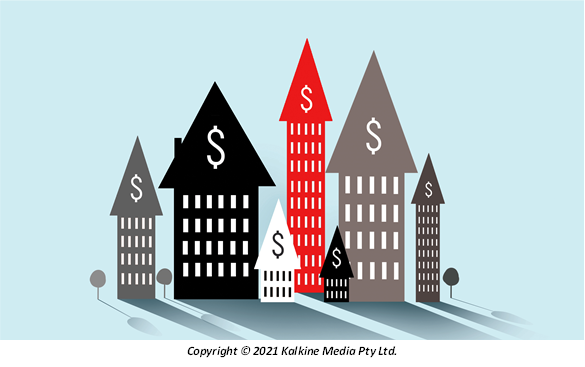
Overall inflation levels fail to show a fast growth as in the case of housing prices. Even at near-zero interest rates, homebuyers have found themselves in a fix as they struggle to make ends meet. Many have been able to benefit from the moratoriums offered on their mortgage payments. However, as moratoriums end, people would be left with little choice other than vacating houses.
Over the past 12 months, the rise in housing prices have pointed the needle at the RBA’s policies and how effective are they in curbing the housing price surge. Questions and speculations are fueled further as wages and inflation do not show as much growth as is seen in property rates.
RELATED READ: Housing Unaffordability Rising Faster In Western Countries
The Set-up
The current spike in prices was not entirely unforeseen as experts had long been speculating the chances of a housing market bubble. The question of a bubble persists as the increasing property prices cease to see any end.
The increased demand for property was visible since the year 2021. Sydney saw median house prices rising as people relocated near beaches in a bid to live out their dream lifestyles. This increased demand led the prices to reach new highs.
Prices had long been anticipated of going haywire in the coming months. First-time buyers also added to this demand hike as most of them were able to take advantage of the low interest rates. Thus, housing prices started to show an upward trajectory. This has been especially true for Sydney and Melbourne, despite lockdown-induced slowdowns.
DO NOT MISS: Is Australia’s property market on the cusp of a boom?
Inflation and Housing Prices
While inflation rates continue to remain sluggish despite soaring housing prices, many experts suggest that the inflation rate calculation fails to factor in property rates. The increase in inflation rates over the past decade has been almost half of the increase in housing prices.
While lower interest rates can paint a picture of houses being affordable in Australia, the reality is far from it. The dwelling prices that are incorporated into the inflation calculation are not rising as swiftly as the actual residential property prices are rising. This is the reason why inflation prices are not able to factor in the increasing house prices and do not perfectly depict the state of the property market.
The illusion of cheaper housing in the current year is superseded by the data that suggest that the cost of a house now is much more than in the past. Compared to 20 years ago, housing prices seem to have overshot all benchmarks and are constantly rising.
If a rise in house prices is compared to household incomes, it is seen that the ratio of house price to household income has increased over the last few years. This demonstrates that over the years, income has not increased as much as housing prices have.
RELATED READ: Budget 2021: How the housing market can gain from recent sops
RBA and Housing Prices
The RBA maintains a passive stance as it states that it is closely watching the progressions in the housing market. Additionally, the RBA pointed out that there are shifts in preferences being observed as people opt for houses rather than apartments.
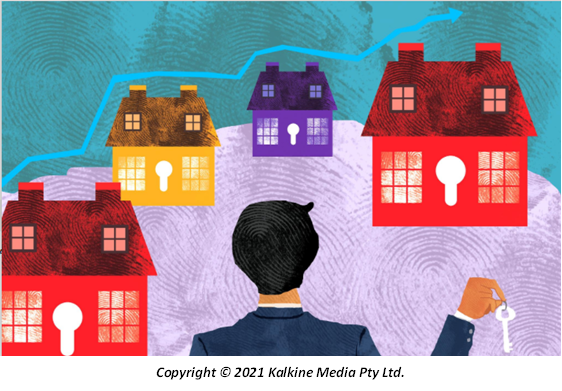
Despite the recent turmoil, RBA continues to monitor the situation from afar as it believes that the bank can only focus on the end aspect of buying a house. However, the central bank did point to certain factors that have led the country to where it currently is.
RBA governor Phillip Lowe pointed out that better infrastructure is needed to bring property prices back on track. Planning and better availability of transport would divert the concentration of built-up demand from prime cities to newly developing areas.
ALSO READ: Is Australia also staring at a housing crisis, will RBA impose lending restrictions like NZ?
What the Future Holds
Housing sector has aided Australia’s recovery amid the coronavirus pandemic and its resurgence. Fiscal policy extension and low interest rates have helped speed up the recovery process. On the other hand, rising prices paint a rather optimistic picture of what the future of the property market holds.
Businesses have gained in the wake of rising property prices. Additionally, regional cities have seen a greater increase in house prices than main cities. This has benefitted the subdued prices in the regional cities.
Commonwealth Bank estimates that house prices would further rise by 16% in the next two years, while Westpac has given a higher estimate of 20% increase in the next two years. Buyers are currently operating under a sense of “fear of missing out” and are making use of lower interest rates. This is evident from the proportion of new home buyers in the recent surge, which is close to 15% of the total owner-occupiers, as estimated by Commonwealth Bank.
To add to the rising demand, the federal government has extended the HomeBuilder grant from 6 months to 18 months for the existing applicants. This would land up the total grant amount to AUD 2.5 billion. This could further instigate the rising prices and rake up property prices to unprecedented levels.
INTERESTING READ: Who will be the real winners of the Australian housing market surge?
