
 AUS
AUS
 NZ
NZ
 UK
UK
 CA
CA
 USA
USA
 IND
IND








Hundred per cent adoption of clean sources in electricity generation is costly. On the macro level, Canada needs to have zero electricity generation from power plants that use coal and coke as fuel. On the micro level, more homes and workplaces should adopt solar energy to ease the excessive burden on hydro sources of power generation.
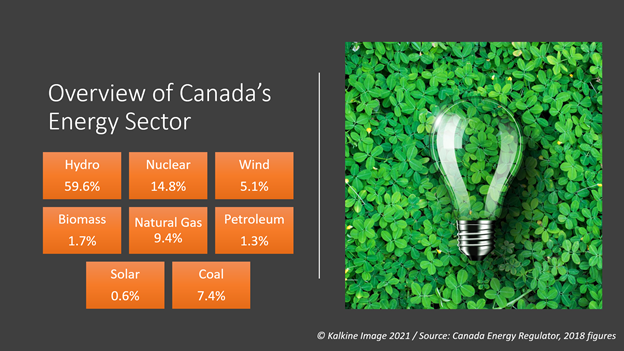
According to Canada Energy Regulator, solar power had less than one per cent of share in total energy produced in Canada in 2018. The share of hydro power was the highest, a whopping 61 per cent. Coal and coke had an eight per cent share.
While hydro generation plants are set up at an industrial scale, the beauty of solar generation is its adoptability at micro level. Solar panels can be deployed at roofs of homes and offices. The only factor, however, that has not allowed wide adoption of solar energy is high upfront costs.
Now municipalities are stepping in to overcome this barrier.
In a first, Okotoks has adopted a Clean Energy Improvement Program, dubbed as CEIP. Under this, Residents can now undertake various energy-efficient improvements on their properties without having to worry about high upfront costs. For example, to install solar panels, property owners can avail the services of a contractor. However, payments for the same are not made to the contractor. It is instead a part of the property tax bill and spread over many years.
Passing a bylaw was the first step towards making this a reality. Soon, Okotoks property owners will be eligible to apply. It is also important to understand that this Okotoks model is a part of a wider scheme of things for the Alberta Urban Municipalities Association. The association says limited access to affordable financing was a key barrier faced by households that wanted to undertake renewable energy upgrades.
The CEIP model is a possible solution. Under this, municipalities can pass a bylaw, on voluntary basis as the prerogative lies with them. The Alberta Municipal Services Corporation provides necessary support to the concerned municipality with respect to program creation and implementation.
So far, five municipalities in Alberta province have passed the necessary bylaw and some more are planning to pass it in near-term. It is expected that benefits under CEIP will start flowing to property owners by the end of 2021. These benefits not only cover solar panel installations but also upgrading of other energy efficiency installations including windows and furnaces.
The entire program falls under the PACE framework, short for Property Assessed Clean Energy.
PACE finds its origin in California and dates back to 2008. It was eventually adopted by all regions in the United States. In Canada, Ontario, Nova Scotia, and Quebec provinces were among the first to adopt it. Besides providing financial support to property owners, PACE has had an encouraging impact on economic activity and employment generation in clean energy.
Okotoks initiative can serve as a leading light for other municipalities, and may have a positive impact on adoption of solar energy at micro level.
