
 AUS
AUS
 NZ
NZ
 UK
UK
 CA
CA
 USA
USA
 IND
IND


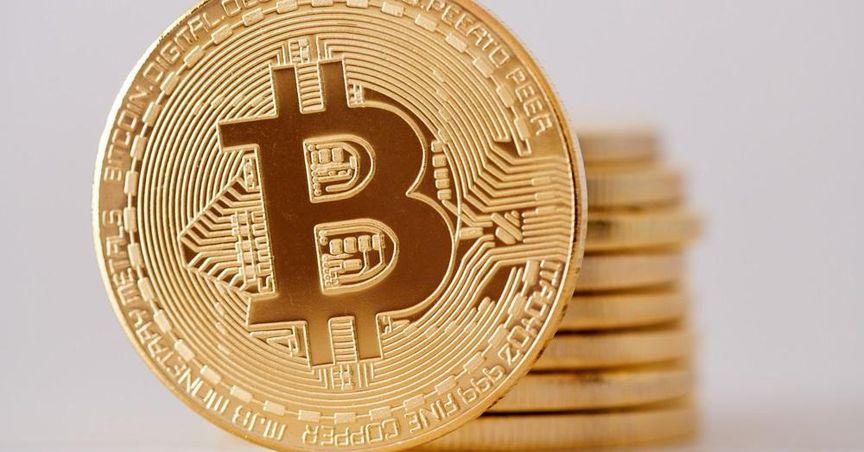





Bitcoin's performance has been marked by a notable summer lull, with the cryptocurrency struggling to surpass the $60,000 level. As August draws to a close, Bitcoin would need to achieve a monthly closing price above $64,300 to end the month on a positive note, representing a rally of over 7% from its current level of $59,960. However, {Bitcoin} (BTC) has faced significant challenges in trading above the $60,000 threshold, and it has declined more than 12% on the monthly chart, based on Cointelegraph data.
It indicated that the current lack of liquidity, typical of summer months, may persist into September, resulting in continued downside volatility. Historical data shows that Bitcoin’s average returns for September have been negative at -4.78% since 2013, suggesting a trend of underperformance during this period.
Looking ahead, there is speculation that a change in economic conditions could influence Bitcoin’s trajectory. Kristian Haralampiev, Structured Products Lead at Nexo, has suggested that a reduction in interest rates could set the stage for a significant bullish run for Bitcoin. The prospect of lower interest rates is anticipated to gain momentum, with many market participants forecasting a rate cut by the U.S. Federal Reserve at its upcoming meeting on September 18.
According to the latest data from the CME FedWatch tool, there is a 65.5% probability of a 25 basis-point rate cut and a 34.5% probability of a 50 basis-point reduction. If realized, these lower interest rates could serve as a catalyst for Bitcoin’s growth, initiating a substantial bull market as early as 2025. As Bitcoin continues to oscillate between $58,000 and $64,000 amidst the ongoing summer illiquidity, the direction of interest rates may play a crucial role in shaping its future performance.
