
 AUS
AUS
 NZ
NZ
 UK
UK
 CA
CA
 USA
USA
 IND
IND







Summary
- Cryptocurrencies have remained volatile over the years
- On the other hand, the institutional participation have grown
- The wild swings in the indicated prices remain a common thin
Cryptocurrencies have remained volatile over the years, but the wild moves in the last one-and-a-half years have certainly attracted many investors, prompting them to put in a sizable amount of money.
Crypto ecosystem
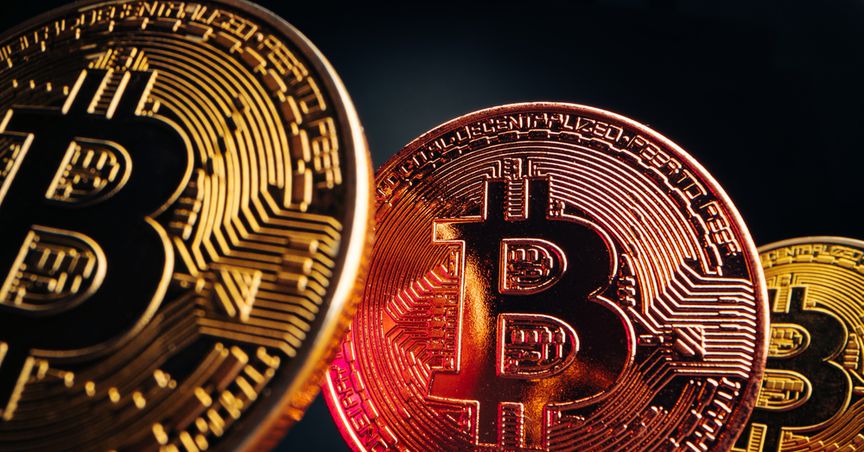
The most popular crypto-assets including bitcoin, ethereum, litecoin, ripple, and the recently emerged dogecoin have been the favourites of investors due to sharp appreciation in the indicative prices across the world. The increased institutional participation and slightly rising inclination of the big-ticket investors in the cryptocurrencies have taken the prices of these assets to new highs.
With over six-fold returns delivered by bitcoin over the course of last year has been exceptional, especially when the crypto-asset was hovering at a price of above US$10,000, 12 months earlier.
Looking at the historical moves and the rate of return, defying every other asset, have encouraged many individuals. Some of them have made a considerable amount of money without incurring major losses.
Also Read | Seven red hot cryptos trending in 2021
Still unregulated
The question here is, who should invest in cryptocurrencies as they remain unregulated by any of the supervisory bodies across the world. With the advent of derivative products on the crypto-assets, largely bitcoin, there has been a substantial rise in the investors who wrongfully believe that these are regulated by the conventional stock exchanges.
This is an outrightly incorrect perception. The so-called stock exchanges and the capital market regulators across the world are only responsible for regulating and superintending the products traded on them. In the specific case of crypto derivatives, the options and futures are being regulated but not the underlying asset.
Also Read | Bitcoin in a freefall as China doubles down on crypto crackdown
This is the reason why the derivatives floated on crypto-assets remain vulnerable. Regulators and respective central banks across the globe have repeatedly raised concerns about the risks associated with investing in cryptocurrencies.
Increased institutional participation
Many institutional investors have expressed their interest in buying crypto-assets in the last one year due to increased volatility in almost every asset, be it gold, equity or debt instruments as the aftermath of Covid-19 has unnerved all the commercial settings, effectively disturbing the apparent smooth functions.
A multi-billion pound corporation investing in crypto-assets doesn’t certify these assets as a reasonable investment option. Their investment rationale can be different. Maybe the companies are investing in order to start accepting payments in crypto-assets, or simply to capitalise the gains, or they have the potential to lose a few millions.
But the participation in crypto-assets has increased exponentially, with the emergence of multiple platforms facilitating the trading in various cryptocurrencies and increased coverage by the media outlets and other new-age bloggers who remain designated to write about the latest developments in and around the crypto ecosystem.
Also Read | Is Cardano better than Bitcoin?
Emerging crypto-assets
Over the last one year, many institutional buyers, as well as some of the biggest corporations have taken sizable stake in cryptocurrencies, as a result of which, the demand for other digital currencies have grown. As most of the crypto-assets have a limited circulation due to immensely high costs of mining, the crypto ecosystem has witnessed the arrival of new assets including cardano, chainlink, stellar, Binance coin, tether, and polkadot.
Inferentially, people are investing and talking about cryptocurrencies like anything, the participation has increased, so much so that every individual wants to capitalise the gains of crypto-assets at some point in time.
Who should invest?
With the risk involved in crypto-assets and the unforeseen volatility, all the cryptocurrencies remain in the category of riskiest assets. But, people do invest a proportion of money in risky assets as well in order to realise an additional gain if the very risky asset performs as per the expectation. Given the present crypto environment with bitcoin tumbling more than US$30,000 from US$60,000 in the last one month, all the crypto-assets remain susceptible to various risks.
Also Read | What are the best penny stocks for July?
If you are willingly looking forward to investing in cryptocurrencies, then you can set aside the proportionately lowest amount from the fund you are going to invest. The proportional amount you are allocating to crypto-assets should not be taken out from the earnings, but it should be allocated from the amount which you can comfortably invest without hampering the short-term goals and monetary requirements.
The amount can be 5% or 10% of the total money available for investment and you should stick to a definitive target for a timely exit in case of loss of gain. With this, you can certainly limit the gains, as well as the losses. Furthermore, the decision to invest in cryptocurrencies or other assets carrying a similar risk profile should be only taken if you are comfortable in losing a portion of money.
People who have very stringent principles for investing and those who are not able to absorb a loss of more than 10% on their portfolio should stay away from investing even a single penny as a sizable loss can certainly erode the ultimate value of a portfolio and can severely deteriorate the financial health of a person.
