
 AUS
AUS
 NZ
NZ
 UK
UK
 CA
CA
 USA
USA
 IND
IND







Highlights
- In August 2021, Jack Dorsey made a bold prediction for Bitcoin, claiming that it would unite America and then the rest of the world.
- This week, chess grandmaster Garry Kasperov hailed digital currency as the future and said he wouldn’t be surprised if cryptocurrencies replaced the dollar in ten years’ time.
- Countries like China have put an absolute ban on all cryptocurrency trading, mining and even holding. The Chinese government have criticised cryptos like Bitcoin as having no inherent value
Cryptocurrency has advanced well beyond the fringe system it was a mere decade ago. In the last five years, in particular, crypto – led by Bitcoin – has made giant leaps, encroaching ever more closely upon the everyday lives of people all around the world.
Last September, El Salvador became the first country in the world to adopt Bitcoin alongside their main currency, the US Dollar. Many crypto enthusiasts, at the time, rejoiced as they perceived the Central American nation’s bold move as the first sign of a replacement of the dollar. Many still believe this.
But how realistic is it really to believe that the world’s most powerful currency – the US Dollar – will be taken over by Bitcoin or any other of the thousands of cryptocurrencies in circulation?
What Proponents Say
One of Bitcoin’s biggest supporters is former Twitter CEO, Jack Dorsey, who sings the crypto’s praise every chance he gets. Just last month he responded to a question on Twitter from rapper Cardi B, who asked “Do you think crypto will replace the dollar?”, to which Dorsey simply replied, “Yes, Bitcoin will.”
In August 2021, Dorsey made a bold prediction for Bitcoin, claiming that it would unite America and then the rest of the world.
Dorsey now works at the payments company he owns, called Block, which includes Square and Cash App, where he has rolled out Bitcoin-based services.
This week, chess grandmaster Garry Kasperov hailed digital currency as the future and said he wouldn’t be surprised if cryptocurrencies replaced the dollar in ten years’ time. The chess champion described Bitcoin as “digital gold” and said they’re a good store against rising inflation.
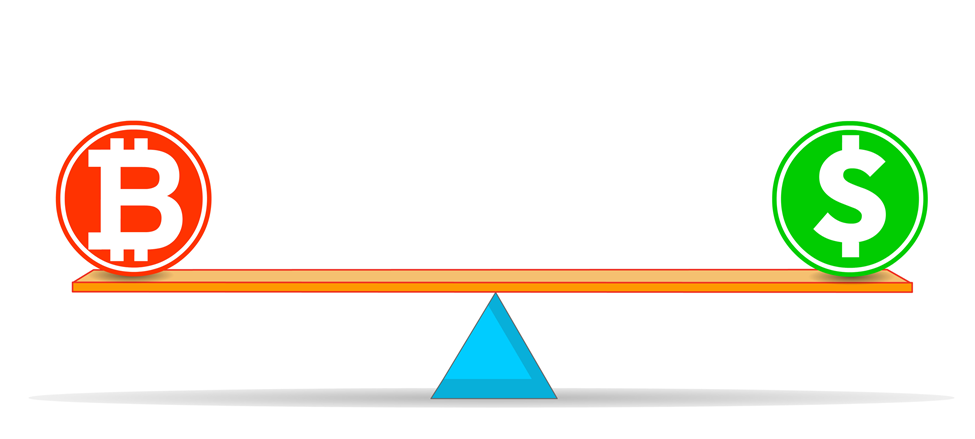
image Source: © Alakargaa38 | Megapixl.com
The Case Against Crypto
One of the biggest problems crypto faces is its high rate of volatility. Last year Bitcoin saw growth of around 60% but in between were wild fluctuations with the coin reaching as high as US$69,500 in November and as low US$29,000 during the market crash.
The other thing crypto seems to lack is a global consensus on its true value. Countries like China have put an absolute ban on all cryptocurrency trading, mining and even holding. The Chinese government have criticised cryptos like Bitcoin as having no inherent value. This sentiment has been echoed by a number of places around the world, including Egypt, Morocco and Oman.
Additionally, the notion that crypto is the great equalizer and a democratized form of finance has been challenged. A study last year by the National Bureau of Economic Research found that just 0.01% of Bitcoin holders own 27% of all bitcoins – a far cry from a currency for the people, of the people and by the people.
Can Crypto Replace the Dollar?
The Verdict
Of course, it’s difficult to predict with accuracy the future of global finance, much less predict whether a currency which has existed for centuries will be replaced by one that has existed for little more than a decade.
The mere existence of Bitcoin and other cryptocurrencies does indeed provide an alternative avenue, whose utility will only grow as more and more businesses and companies accept it as legal tender.
The question of whether it will replace the dollar is perhaps an ambitious vision for those proponents of the cryptocurrency.
