
 AUS
AUS
 NZ
NZ
 UK
UK
 CA
CA
 USA
USA
 IND
IND


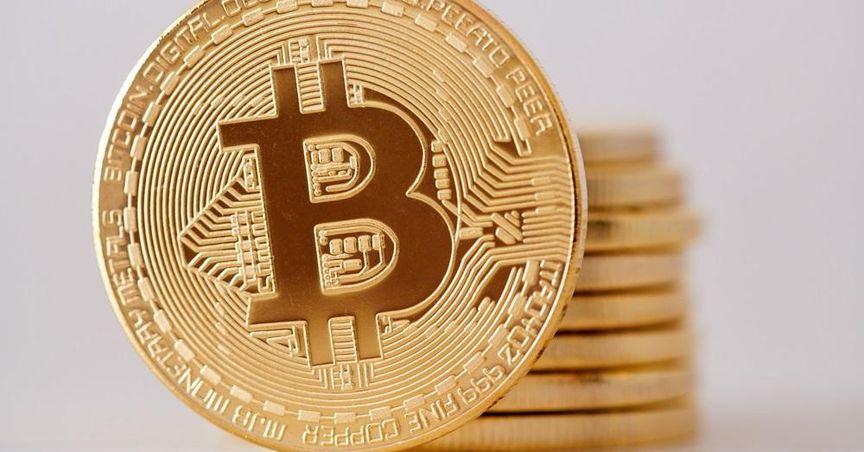





Bitcoin Runes, a prominent non-fungible token (NFT) protocol launched in August, has demonstrated significant activity and market impact. Over the span of four months, the protocol has generated $162.4 million in fees through 15.6 million transactions.
Data from Dune Analytics reveals that {Bitcoin} (BTC) Runes experienced peak activity in its initial months, with daily transactions often surpassing 300,000. On April 23, a notable surge saw over one million transactions in activities such as minting, etching, transfers, and edicts, accounting for 81.3% of Bitcoin network bandwidth. However, in the subsequent two months, daily transactions have tapered off to an average of approximately 50,000.
While Bitcoin Runes initially dominated the transaction landscape, its share has diminished as the Bitcoin network reclaimed its predominance. Since July 16, Bitcoin has occupied around 90% of the network capacity, leaving the remaining 10% divided among Ordinal BRC-20 and Runes.
The Runes protocol was developed as an advanced alternative to Bitcoin Ordinals and a competitor to BRC-20. It has gained traction, surpassing BRC-20 in daily transaction share on most days over the past four months. Only on 13 occasions did BRC-20 exceed Runes in daily transactions.
Among the 15.6 million transactions recorded by Runes, over 9 million were related to minting. Edicts and etching accounted for 6.5 million and 91,500 transactions, respectively.
The Bitcoin Runes in the market may continue to unfold in the coming months. According to pseudonymous decentralized finance researcher Ignas, the true market opportunity for Runes may become more apparent as time progresses. Additionally, the Bitcoin Layer 2 network, Stacks, is preparing to launch a trading solution that will encompass Runes, BRC-20s, and Ordinals inscriptions, further expanding the market for these digital assets.
