
 AUS
AUS
 NZ
NZ
 UK
UK
 CA
CA
 USA
USA
 IND
IND



Summary
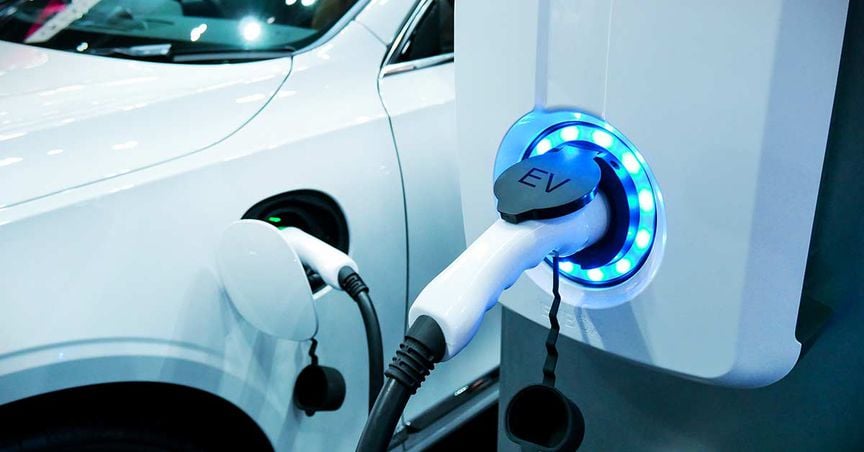
- The global shift towards clean and green energy sources has triggered the demand for EV raw materials.
- Electric cars are the main contributors to this revolution, and their count rose from 17,000 in 2010 to 7.2 million in 2019.
- Australia is the significant player to supply and balance the world’s demand for EV battery raw materials.
The rising call for a shift to clean energy has brought renewable energy and electric vehicles (EV) into the limelight. Various governments, including France, Germany, and China are proactively offering incentives to motivate their residents to switch to cleaner mobility and power solutions. The demand growth anticipation for the critical and strategic minerals used for batteries is reflected in the prices of these commodities.
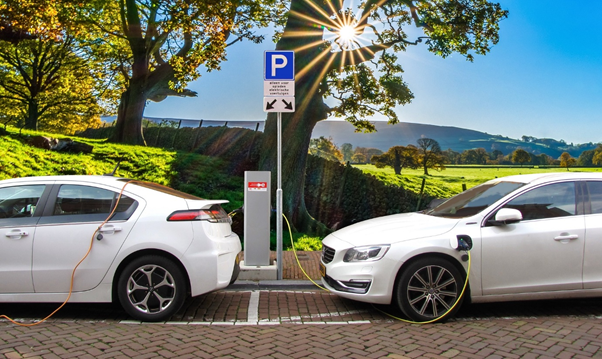
As per IEA, the global count of electric cars rose from 17,000 in 2010 to 7.2 million in 2019. Along with nine countries, China has shown a tremendous shift to the EV culture, as it now has more than 100,000 electric cars on the road. The figures are expected to touch 245 million vehicles in 2030 with an annual growth rate of 36 per cent.
Must Read: A Walk Through European EV market: How Government Subsidies & Cost-Effective Models Pushing Demand?
As per the IEA global EV outlook report for 2020, the estimated demand in 2019 was 19 ktpa for cobalt, 17 ktpa for lithium, 65 ktpa for nickel, and 22 ktpa for manganese. The global demand is expected to rise to 180 ktpa for cobalt, 177 ktpa for manganese, 925 ktpa for Class I nickel, and 185 ktpa for lithium in 2030.
Australia's role in the global EV material supply:
Nickel: Around 5 per cent of the world’s nickel is used in manufacturing batteries. Australia has 26 per cent of the world's nickel resources and produces around 200,000 tonnes of nickel every year.
Lithium: Australia is the largest exporter of lithium globally and produced around 55 per cent of the world's total lithium in 2019. Forty-six per cent of the world's lithium supply is used in the production of rechargeable batteries.
Read Here: Why Are Market Players Clinching to the EV and Lithium Forecast?
Cobalt: Australia is the third-largest producer of Cobalt in the world with a share of 17 per cent. About 60% of the world's Cobalt is utilised in the assembling batteries.
Others: Other significant minerals used in the production of batteries are manganese and antimony. Australia has the third-largest global resources of manganese. Australia holds the fourth-largest resources of antimony globally with a share of 4% in production.
2021 Battery Material Outlook of Australia:
Nickel: Factors like economic recovery, increasing usage of nickel in batteries, along with government policies towards EVs, are pushing nickel hard to bang in 2021. The total nickel export volume is forecasted to 253,000 tonnes in 2021, 6 per cent more than the previous year. The expansion of current projects, along with the new exploration projects, will balance out the increased demand.
ASX-listed Azure Minerals (ASX:AZS) has recently discovered a nickel-copper sulphide section at its Andover project. It has recently intersected a 38m-wide zone of nickel-copper sulphide at a depth of 336m.
Important Read: Is Tesla (NASDAQ:TSLA) maintaining its lead in the Battery Electric Vehicle race in Europe?
Lithium: The global lithium demand is forecasted to reach 417,000 tonnes in 2021, while the Australian lithium supply is anticipated to surge to 277,000 tonnes in 2021.
China’s step towards LFP batteries and flexible battery choice offered by Nio has also contributed to the surging demand of EV materials. Australia's clean energy move, the UK's internal combustion engine (ICE) ban shift from 2040 to 2030, and release of 8,000 Volkswagen ID4 electric 4WD vehicle in the U.S., has additionally surged lithium’s demand in the last quarter.
ASX-listed Mineral Resources (ASX:MIN), the leading lithium producer in WA, has two good projects -- Mount Marion and Wodgina. Mineral resources and Jiangxi Ganfeng Lithium jointly own mount Marion, and Wodgina is jointly owned by top producer Albemarle with a JORC mineral resource of 233 million tonnes.
Read Here: EcoGraf Riding EV Wave with Substantial Recycling Opportunity
Cobalt: China consumes almost 40 per cent of the world's refined Cobalt. The Democratic Republic of the Congo (DRC) accounts for about 65 per cent of the world’s mined cobalt production. Further development of known deposits, the discovery of new potential deposits, along with the extraction of cobalt from basin-hosted copper deposits, can increase Australia's resource potential to the next level.
