
 AUS
AUS
 NZ
NZ
 UK
UK
 CA
CA
 USA
USA
 IND
IND








Highlights
- The Australian EnergyMarket Commission (AEMC) predicts that the household electricity bills are likely to below AU$0.26 per kWh, the lowest since 2017.
- The typical household bills in Queensland are expected to drop by 10% by 2023-24.
- The addition of renewables is expected to squeeze environmental costs and wholesale costs to the wholesalers.
A record level of renewable energy in Australia has helped in reducing the electricity prices across various parts of the country, bringing a substantial amount of savings. As per the annual survey observations of the Australian Energy Market Commission (AEMC), the household electricity bills are expected to drop and lead to an average annual savings of nearly AU$77 by 2024.
The AEMC predicts that prices are likely to lie under AU$0.26 per kWh, the lowest since 2017 and nearly 6% lower than current prices.
Must Read: Hydrogen comes to Australia's rescue to meet net-zero emissions, ASX stocks in focus
The addition of renewables is expected to reduce environmental costs and wholesale costs to the wholesalers. The savings are expected to be passed on to the consumers.
Queensland and Victoria set to record the highest drop

Source: © Andreus | Megapixl.com
The report also cites that, Queensland and Victoria are projected to encash this saving in the best possible way. The typical household bills in Queensland are expected to drop by 10%, much above the average national fall of 5.7%. The residential bills in Queensland are expected to drop from $1,226 in 2020-21 to $1,100 by 2023-24. Victoria is expected to secure second place in the list by trimming 8% of its average power costs from AU$1,290 in the most recent year to AU$1,191 by 2023-24.
RELATED ARTICLE: Three ASX-listed renewable stocks to look at in light of COP26 summit
The consumers of New South Wales on the other hand are expected to see their electricity bills slash by 4%.
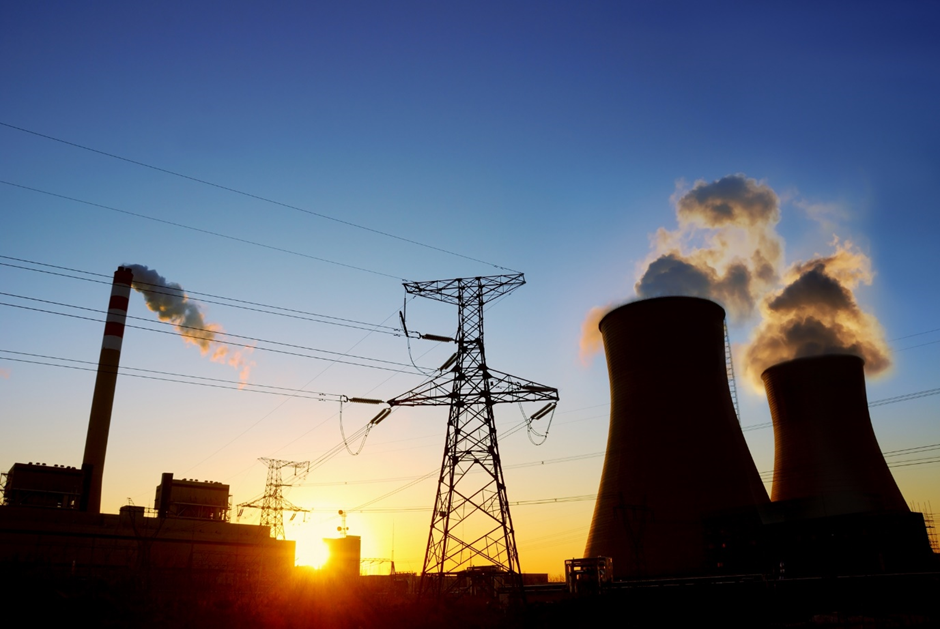
The shutdown of Liddell power plant
The addition of new large-scale solar plants is expected to drive the prices primarily with the developers committing to add 2,671MW and 1,393MW of new solar and wind farm capacity, respectively.
Source: © Sofiaworld | Megapixl.com
Additionally, the developers have also made commitments to increase gas-fired and battery capacity by 904MW and 470MW respectively across the national electricity market.
Related Article: Five ASX listed stocks to look at amid renewable and clean energy boom
However, the commission also stated that 1,680MW Liddell coal-fired power plant is scheduled to shut down in 2022-23. The closure is forecasted to increase the wholesale prices, up to a certain extent.
Bottom Line
The addition of renewables as a part of the clean energy drive is expected to deliver fruitful results in the future by significantly reducing carbon emissions and reducing energy costs at the same time.
